|
Lamination Steel Plate
Wallis
| Material: | |
|---|---|
| Surface: | |
| advantage: | |
| Application: | |
| Quantity: | |
Mirror Glossy Lamination Steel Plate for Card Making
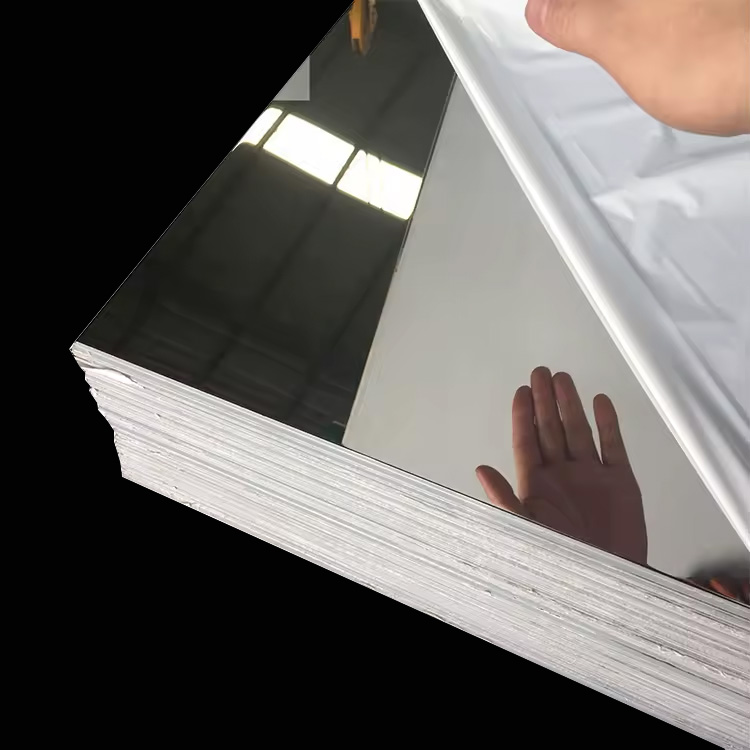
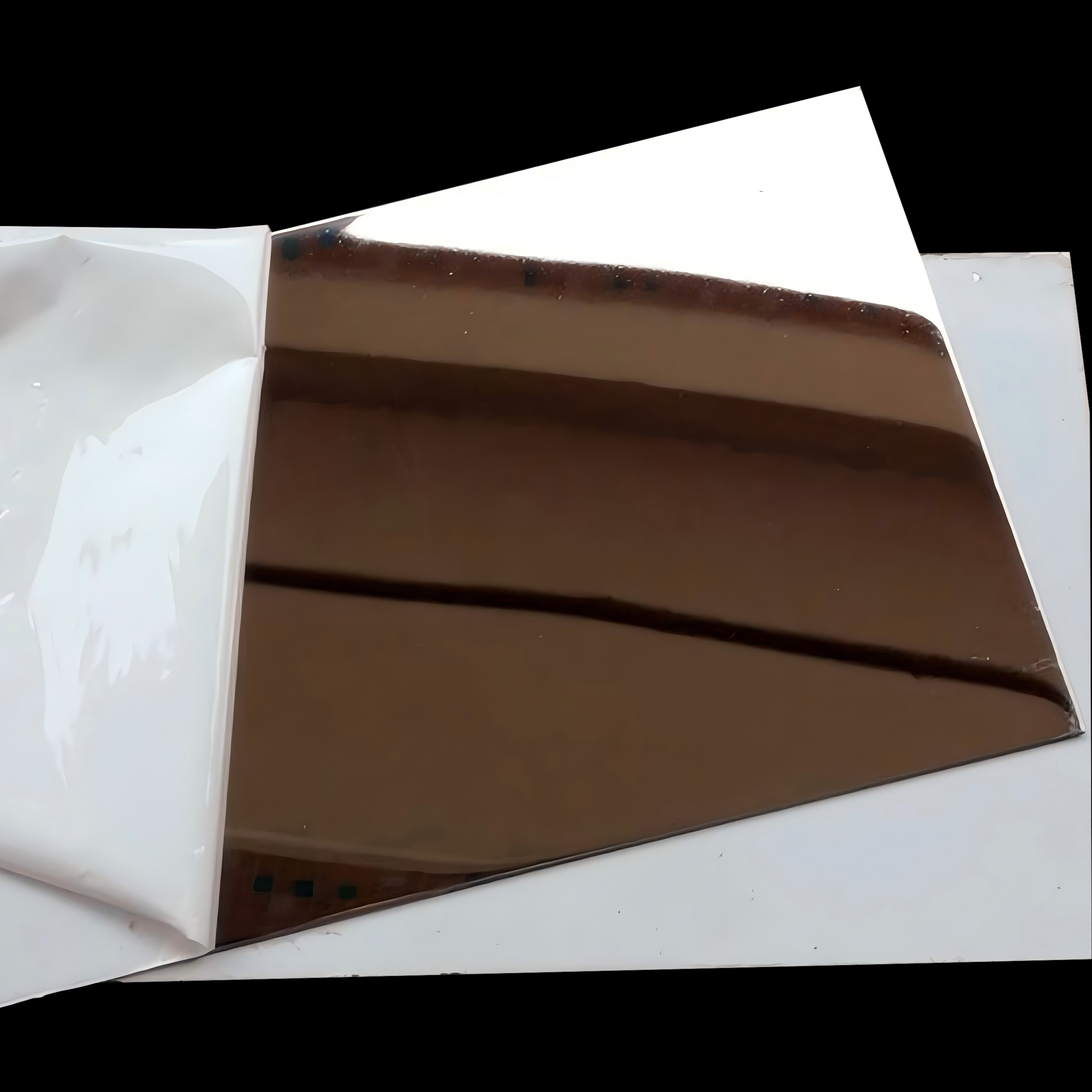
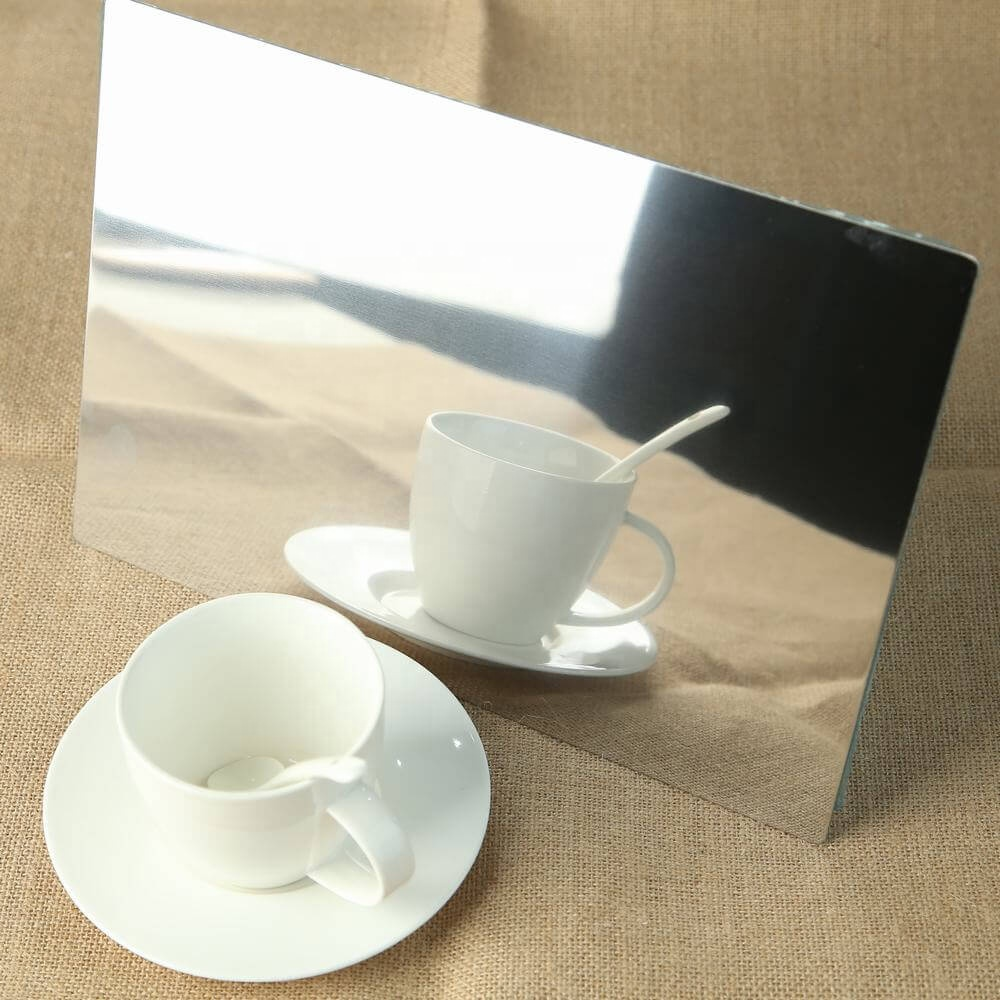
Wallis mirror glossy lamination steel plates are reusable stainless steel press plates used in the hot-press manufacturing of PVC, PETG, PC and compatible composite plastic cards. Their polished contact surface helps card factories produce an even, high-gloss outer finish on laminated card sheets.
Available in 0.6 mm, 0.8 mm and 1.0 mm plate thicknesses, with A4, A3 and machine-specific sizes, these plates support card manufacturers, smart-card converters, printing facilities and B2B distributors sourcing repeatable lamination components. Surface finish, flatness, edges and protective packaging can be specified for OEM orders.
The plate is not a plastic lamination film or the laminating machine itself. It is a polished metal interface in the press stack; finished-card appearance also depends on the overlay, press pads, card materials, temperature, pressure, holding time and cooling conditions.
The following dimensions and material options are based on the current Wallis product information. Confirm final tolerances, surface roughness and inspection methods against the approved order drawing before production.
| Specification | Wallis option / buyer confirmation |
|---|---|
| Product type | Mirror-polished stainless steel plate for card hot-press lamination |
| Contact surface | High-gloss mirror finish; single- or double-sided configurations subject to confirmation |
| Typical thickness | 0.6 mm / 0.8 mm / 1.0 mm; other gauges by request |
| Thickness tolerance | Published reference: ±0.05 mm; confirm for the selected thickness and lot |
| Surface roughness (Ra) | Published mirror-finish reference: approximately 0.02–0.03 μm; request the measured result, method and acceptance limit |
| Plate formats | A4, A3 or customized length × width to match the laminator and card-sheet stack |
| Flatness | Flat, clean contact surface; specify the acceptable deviation and inspection condition in the purchase specification |
| Edge and corner treatment | Smooth deburred edges; corner radii can be specified for safe handling |
| Card materials | PVC, PETG, PC and compatible composite card constructions, subject to trial lamination |
| Packaging | Individual surface protection, non-abrasive separators and reinforced export cartons or crates as agreed |
| OEM order details | Plate size, gauge, mirror grade, surface side(s), tolerance, quantity and labeling |
For precision procurement, buyers should specify whether the two faces require identical mirror finishes, as well as the intended gloss measurement geometry, roughness sampling points and the required surface inspection standard.
Mirror-polished lamination steel plate
High-gloss stainless steel card press plate
A mirror glossy lamination steel plate is a smooth, polished metal contact sheet placed in an industrial plastic-card laminating stack. During hot pressing, it separates or supports the card material layers while transferring contact from the heated press and cushion pads. Its fine surface finish helps determine the gloss and texture transferred to the outer card overlay.
A typical card stack combines printed core sheets, overlays and optional inlays, with lamination plates and cushion pads arranged according to the machine manufacturer’s instructions. The laminator applies controlled heat and pressure; the plates provide a repeatable contact surface and help maintain even support across the press area.
Fine surface texture, isolated pits or handling scratches on the steel plate may be reproduced on the finished card. A clean, consistent mirror-polished face reduces the risk of unwanted impressions and helps maintain a uniform glossy finish across production lots.
Even with a high-quality plate, uneven pad compression, trapped air, unsuitable overlays or incorrect temperature and dwell settings can cause surface defects. New plate grades should be validated in the buyer’s own card stack before bulk adoption.
A fine mirror-finish plate helps create a reflective, smooth outer appearance on compatible laminated cards, supporting premium presentation for payment, identification and branded retail card products.
Consistent thickness and plate flatness support predictable press-stack geometry. This can improve repeatability when combined with suitable cushion pads, calibrated platen pressure and a controlled cooling cycle.
Stainless steel press plates are reused across production runs when properly cleaned and stored. Replacement intervals depend on surface damage, contamination, handling and the quality level required for the finished card.
Card factories can request machine-specific dimensions, plate thickness, polished sides, corner treatments and packaging. Customization should be confirmed with a technical drawing and pre-production sample.
Mirror-finish surface appearance and quality details
Card makers generally select the plate finish according to the required surface appearance of the finished plastic card. The plate’s contact finish and the selected plastic overlay must be evaluated together.
| Finish | Contact-surface character | Typical finished-card requirement |
|---|---|---|
| Mirror glossy | Very smooth, polished and highly reflective | Premium high-gloss payment, gift, loyalty and ID cards |
| Matte | Fine diffuse surface with reduced reflection | Low-glare ID, membership and access cards |
| Satin / fine silk | Fine directional or fabric-like microtexture | Controlled tactile or specialty card appearance |
| Custom textured / patterned | Engineered surface pattern | Decorative or brand-specific surface effects |
For a reliable visual match, approve both a steel plate surface sample and a laminated card trial; photographs alone cannot reliably establish gloss level or texture.
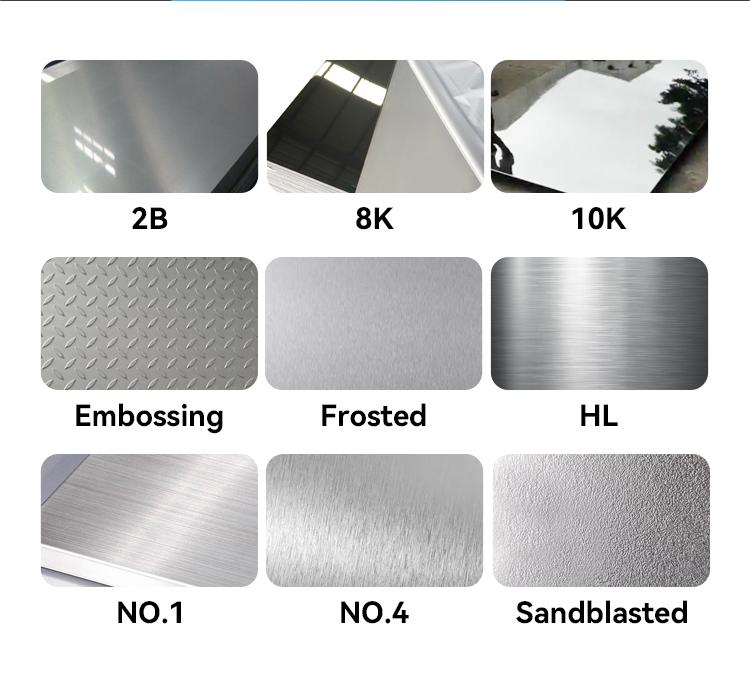
Comparison of lamination plate surface finishes
Check the press opening, platen area, sheet layout, locating features and available stack height. The plate dimensions must fit the laminator without interfering with guides, alignment components or safe handling.
Inspect the plate faces under suitable lighting and remove approved protective films before first use. Verify that core sheets, overlays, inlays, release layers and cushion pads are clean and aligned with the work instructions.
Run the card material supplier’s validated process settings. Use the appropriate heat-up, pressure-hold and cooling sequence; do not assume one universal recipe works for PVC, PETG and PC.
Check surface gloss consistency, scratches, bubbles, warpage, edge distortion and layer bonding. If defects repeat in the same position, examine the press plate, pad and stack alignment before changing the whole process.
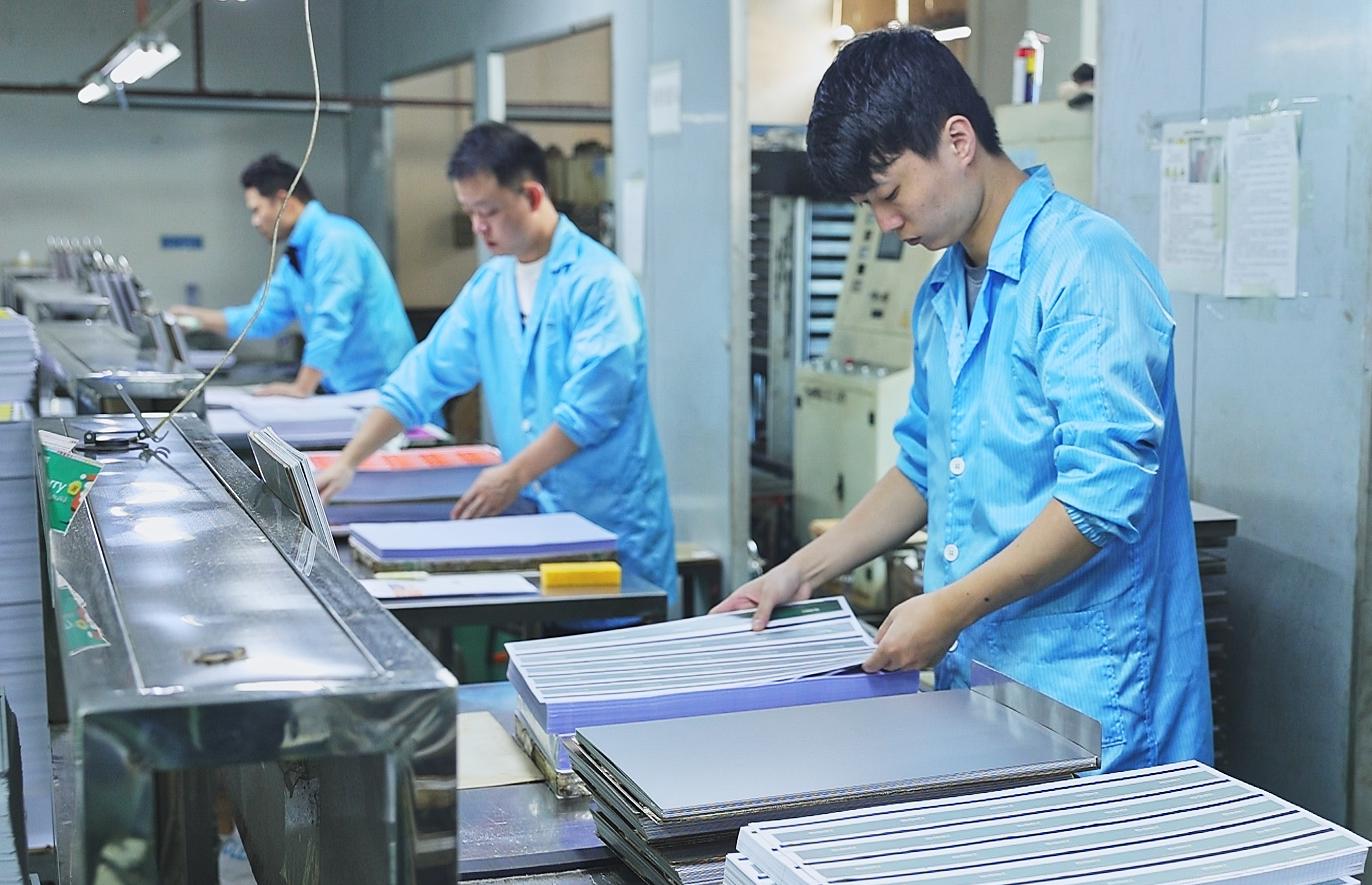
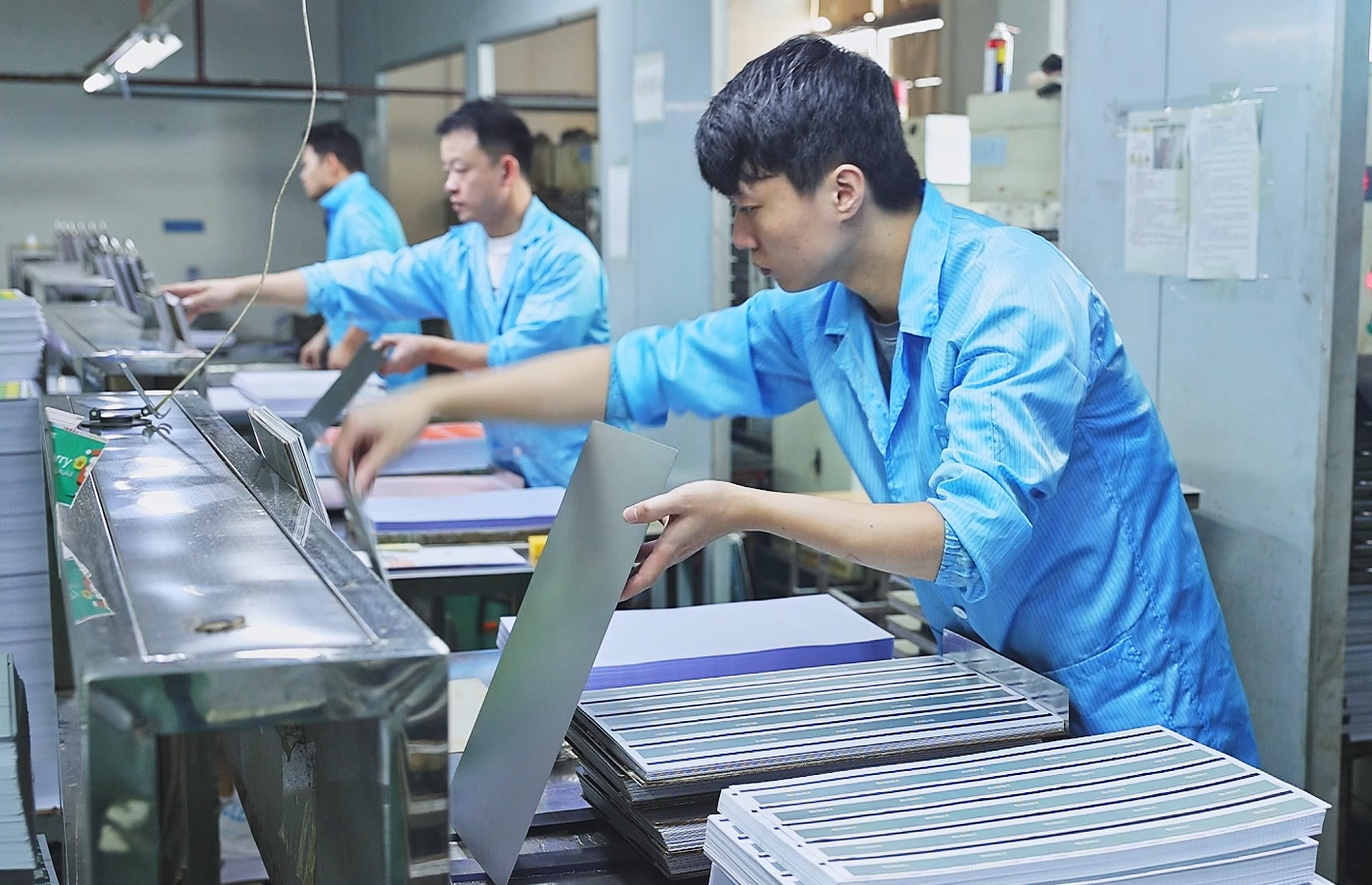
Card lamination press and production line
Plastic card sheet lamination process
For repeat orders, product descriptions such as “perfect mirror surface” should be replaced by measurable, mutually approved acceptance requirements. The following checklist helps factories create a reproducible incoming-inspection routine.
| Inspection item | Suggested acceptance approach | Why it matters |
|---|---|---|
| Surface roughness (Ra) | Agree the maximum Ra and test method/locations; retain measurement records when required | Influences gloss and transferred microtexture |
| Visual mirror finish | Inspect both faces under defined illumination for pits, scratches, streaks and stains | Prevents repeated surface marks |
| Thickness and dimensions | Measure against the approved drawing and gauge tolerance | Ensures correct stack height and machine fit |
| Flatness / bow | Define a test method, span and maximum permitted deviation | Supports even contact in the press stack |
| Edges and corners | Check deburring and corner radii | Reduces handling hazards and overlay damage |
| Trial card result | Approve gloss, bonding and finished card appearance using actual materials | Verifies process compatibility |
| Observed result | Possible contributors | What to check first |
|---|---|---|
| Uneven gloss | Dirty plates, inconsistent overlay, pad compression or pressure variation | Plate cleanliness, surface uniformity and press-pad condition |
| Repeated scratches / lines | A damaged steel plate, hard debris or poor handling | Inspect the repeated defect location on each contact surface |
| Bubbles or delamination | Trapped air, moisture, material mismatch or unsuitable press settings | Dryness, material specification, heat/pressure/time cycle |
| Card warping | Uneven heating or cooling, stack imbalance, mismatched material layers | Cooling cycle, layer symmetry and stack setup |
| Sticking after lamination | Overlay/finish incompatibility or incorrect release/process conditions | Run an overlay and release compatibility trial |
These are diagnostic starting points, not guaranteed remedies. Corrective settings should follow the customer’s machine and material specifications.
Banking and payment cards: debit, credit and prepaid card sheet laminates where glossy presentation is required.
ID and secure identification: employee IDs, visitor passes and government-related card constructions, subject to each program’s technical requirements.
Smart and RFID cards: contact and contactless cards assembled from printed cores, overlays and compatible inlays.
Retail and hospitality: loyalty, membership, gift and hotel access cards.
Transportation and access systems: transit cards and access credentials requiring repeatable laminated surfaces.
Suitability for regulated payment or government credentials depends on the complete card structure, production process and applicable program requirements—not on the steel plate alone.
Wallis supports custom lamination steel plate supply for different press formats and card-sheet sizes. Project specifications may include plate dimensions, thickness, mirror finish on one or both faces, edges, labeling and export packaging.
Laminator model and usable press area; required steel plate length × width.
Plate thickness and tolerance, including any pre-existing reference sample.
Mirror finish on one side or both sides; gloss and Ra acceptance requirements if applicable.
Card material stack: PVC, PETG, PC, RFID inlay or mixed construction.
Expected order quantity, sample-testing requirements, protective film and packaging needs.
Destination country and desired shipping arrangement.
Polished steel faces should be separated to avoid metal-to-metal abrasion. Surface film, interleaf protection, cushioned cartons or reinforced crates can be agreed for the shipping route, quantity and plate dimensions. Packaging should be confirmed in the quotation rather than assumed for every order.
Request Steel Plate Specifications & Quote
Wallis supplies card production materials including lamination steel plates, PVC/PETG/PC card sheets, overlays and lamination pads. Sourcing these related products through one supplier may simplify material coordination and troubleshooting across the card press stack.
For OEM and repeat-purchase projects, Wallis can review custom dimensions, surface finish, quantity and shipment requirements. We recommend approving a physical plate sample and a trial-laminated card sheet before a high-volume production change.
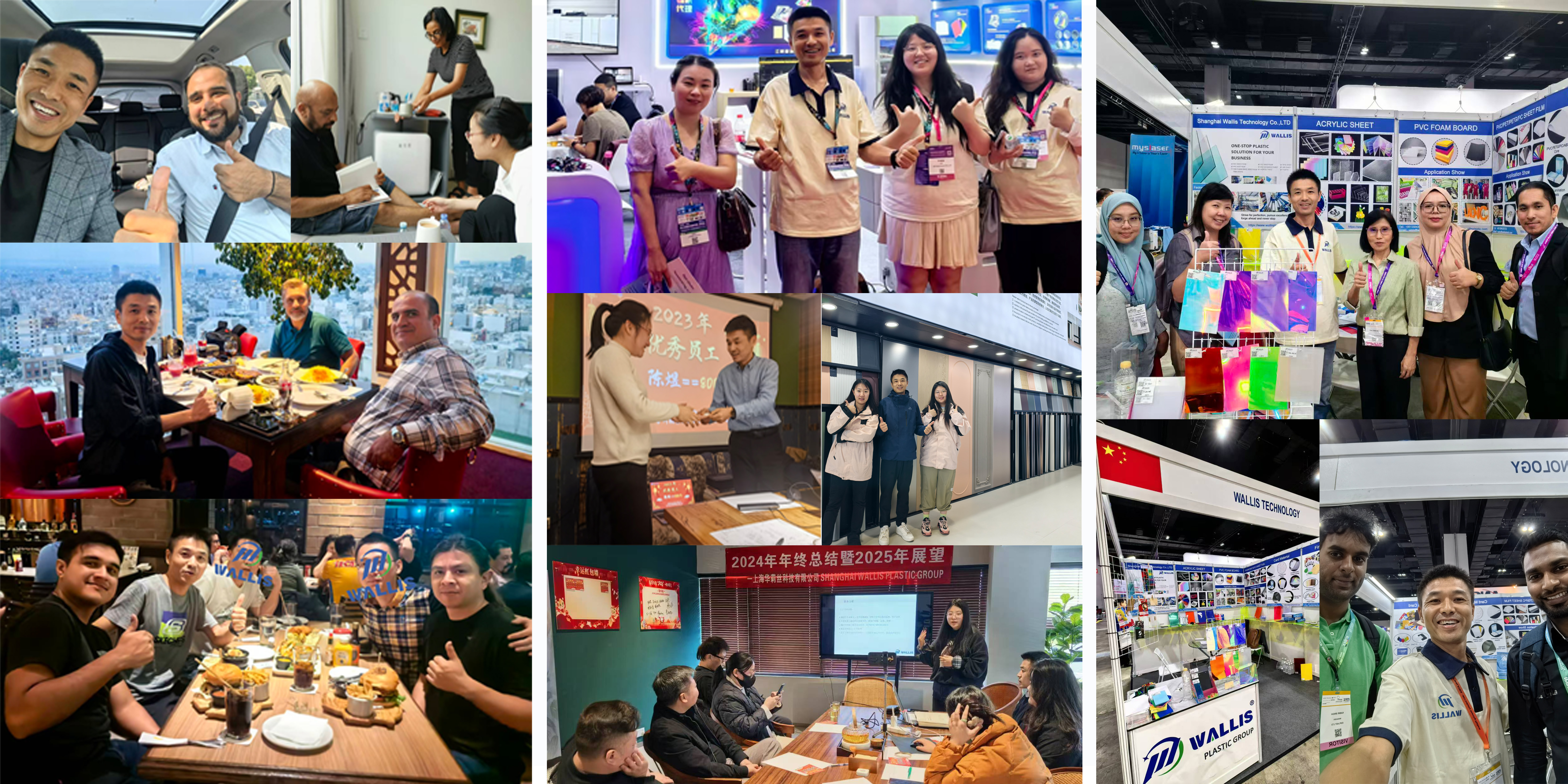
Wallis customer, team and exhibition photograph
Wallis customer feedback
It is a reusable polished stainless steel plate placed in a plastic-card hot-press stack. Its contact surface helps produce a smooth glossy finish on compatible laminated PVC, PETG or PC card sheets.
The current Wallis product range lists 0.6 mm, 0.8 mm and 1.0 mm, with customized thicknesses subject to production confirmation. Final thickness tolerance should be agreed on the order drawing.
A4, A3 and customized sizes are listed. Provide the laminator model, working dimensions and desired plate layout to confirm fit.
Wallis publishes a reference mirror roughness around Ra 0.02–0.03 μm. Actual acceptance criteria require agreement on the selected grade, measurement method and inspection documentation.
Double-sided mirror finish is an available configuration in the source product information. Specify one-sided or two-sided quality and inspection requirements in your quotation request.
No plate alone can guarantee defect-free lamination. Bubbles and poor bonding can also arise from moisture, incompatible overlays, trapped air, pressure, time and temperature settings.
The steel plate may be used with compatible card constructions, but each material needs its own validated press cycle and suitable overlay and cushioning system. Test the complete stack first.
Mirror plates offer a highly polished contact surface for glossy card finishes. Matte plates have a less reflective contact surface that produces a reduced-glare appearance.
Inspect finish defects, roughness if specified, plate thickness, length and width, flatness, edges, protective packaging and trial-card surface appearance.
Use a lint-free soft cloth and a non-abrasive cleaner approved for the plate surface. Do not use hard scrapers, contaminated cloths or aggressive chemicals. Separate plates with protective material during storage.
Service life depends on press cycle frequency, handling, surface wear and maintenance. It should be managed against inspection results rather than an unverified fixed number of cycles.
Yes, the source product information indicates that sample testing can be arranged. Confirm sample specification, availability and shipping terms with Wallis.
Lead time varies with size, thickness, surface requirements, order quantity and production schedule. Request a confirmed delivery commitment with the final quotation.
Provide plate dimensions, thickness, required mirror side or sides, target finish/roughness, quantity, reference images or sample, press machine details and destination country.
Contact Wallis for OEM Mirror Lamination Plates