

|
edge banding
Wallis
| Color: | |
|---|---|
| Material: | |
| Application: | |
| Quantity: | |
Wallis custom metallic PVC edge banding for furniture panels is a decorative and protective edge solution developed for cabinet doors, wardrobes, drawers, tables, wall panels, retail fixtures, hotel furniture, office furniture, and architectural millwork.
The flexible PVC base covers exposed MDF, particleboard, and plywood edges, while the metallic surface creates brushed aluminium, stainless-steel, chrome, silver, gold, copper, rose-gold, gunmetal, black-nickel, matte, glossy, or customized visual effects.
Width, thickness, metallic décor, surface texture, gloss, roll length, backside primer, logo printing, protective film, core size, labels, and export packaging can be customized for furniture factories, panel processors, distributors, contractors, and OEM brands.
Request a Metallic Edge Banding Sample
| Feature | Detail |
|---|---|
| Product Name | Custom Metallic PVC Edge Banding for Furniture Decorative Panels |
| Base Material | PVC base with metallic decorative surface layer; exact foil, print, coating, or laminate construction subject to product confirmation |
| Surface Finishes | Brushed, glossy, matte, mirror-like, textured, smooth, or customized |
| Metallic Colors | Silver, aluminium, stainless-steel effect, chrome, gold, copper, rose gold, bronze, gunmetal, black nickel, and custom colors |
| Thickness Range | 0.4–2.0mm; customized thickness subject to décor structure and processing requirements |
| Width Range | From approximately 12mm to 50mm or wider; final usable width subject to confirmation |
| Roll Length | Customized according to thickness, width, core size, winding stability, packaging, and order quantity |
| Backside Treatment | Primer or other treatment matched to the selected EVA, PUR, PO, or approved adhesive system |
| Typical Processing | Automatic edge banding, contour edge banding, manual application, trimming, scraping, buffing, and selected curved-edge processing after trials |
| Compatible Panels | MDF, particleboard, plywood, laminated panels, and other compatible furniture boards |
| Custom Options | Color matching, texture, gloss, width, thickness, roll length, curved profiles, die-cut components, logo printing, labels, and packaging |
| Applications | Cabinets, wardrobes, tables, drawers, wall panels, retail displays, office furniture, hotel furniture, and architectural millwork |
Specification note: The source page confirms a PVC base with metallic surface layer, 0.4–2.0mm thickness, widths from approximately 12mm to 50mm or wider, and custom shapes or logo printing. Exact metallic-layer construction, adhesive system, roll length, bend radius, surface resistance, tolerances, and MOQ require sample and order confirmation.

Metallic PVC Furniture Edge Banding
Metallic PVC edge banding is a narrow thermoplastic strip used to finish the exposed edges of panel furniture. It hides the raw board core, creates a cleaner visual transition, and helps protect the edge against chipping, dirt, light impact, and limited moisture exposure.
The PVC base provides flexibility, machinability, thickness, edge coverage, and impact support. Its formulation influences bending behavior, trimming quality, dimensional stability, and compatibility with straight or curved panel geometries.
The visible face may use a metallic-effect film, foil, print, coating, or another decorative construction. Buyers should confirm whether the selected product contains real metal foil or only a printed metallic effect because appearance, bend performance, scratch behavior, and cost may differ.
A suitable backside primer can improve bonding between the PVC strip and hot-melt adhesive. Primer chemistry must be compatible with the chosen adhesive, edgebander temperature, feed speed, panel material, and service conditions.
Compared with many solid aluminium or stainless-steel trims, polymer-based metallic edge banding can be lighter and easier to cut, trim, scrape, buff, and apply on conventional equipment. It is not structurally identical to real metal, so impact, heat, scratch, corrosion, and bending performance should be compared using physical samples.
Metal-Effect PVC Edge Banding
Metallic edging can create a deliberate frame, contrast line, or coordinated transition around a furniture panel. It can match metallic hardware, appliance finishes, aluminium frames, glass, acrylic, stone, high-gloss panels, and matte decorative surfaces.
Edge banding hides the visible core of MDF, particleboard, plywood, and laminated boards. Properly applied edging improves appearance and reduces direct exposure of the raw edge to dirt, handling, and incidental moisture.
The PVC strip can absorb or distribute light edge impacts and reduce visible chipping during normal indoor use. Protection depends on thickness, PVC formulation, bond quality, panel core, edge radius, furniture design, and impact severity.
Suitable grades can be processed using standard straight-line or contour edge-banding equipment with an approved adhesive and machine setup. Application, end trimming, top-and-bottom trimming, corner rounding, scraping, and buffing should be optimized for the metallic face.
Polymer-based edge strips generally add less weight than thick solid-metal profiles and do not require the same cutting, drilling, fastening, or corrosion-control methods. Final economics depend on décor construction, order volume, installation, reject rate, and performance target.

Decorative Appearance and Edge Protection
Brushed linear textures support kitchens, offices, retail fixtures, appliances, and contemporary furniture. Directional finishes should be applied consistently around adjacent panels to prevent visible orientation differences.
High-reflective chrome effects can create a strong decorative highlight. They may show fine scratches, fingerprints, trimming marks, adhesive contamination, and surface distortion more readily than brushed or matte finishes.
Warm metallic colors are suitable for hospitality furniture, luxury wardrobes, display cabinets, cosmetic counters, decorative wall panels, and branded interiors. Physical samples should be checked under the project’s actual lighting.
Dark metallic edging can coordinate with black hardware, smoked glass, dark wood, stone, matte panels, and industrial furniture. Dust, scratches, and color differences may be more visible on darker high-gloss faces.
Surface gloss and texture affect appearance, cleaning, fingerprint visibility, scratch visibility, trimming, and buffing. Approve the complete edge sample rather than selecting only from a digital color image.
Color and décor matching can be developed against furniture boards, metallic hardware, laminates, acrylic sheets, PETG films, PVC films, or physical trim references. Define color tolerance, gloss, texture, direction, and viewing conditions before approval.
| Selection Factor | Typical Consideration | What to Confirm |
|---|---|---|
| Width | Normally selected slightly wider than the panel edge to allow trimming | Panel thickness, adhesive line, machine tolerance, trimming allowance, and final usable width |
| 0.4–0.6mm | Thin decorative edging for selected low-impact or curved applications | Core telegraphing, bend radius, opacity, adhesive show-through, and end-use impact |
| 0.8–1.0mm | General furniture edging requiring a balance of flexibility and coverage | Machine setup, trimming, corner rounding, metallic-face stability, and panel design |
| 1.3–1.5mm | More substantial edge appearance and improved impact support for selected panels | Minimum bend radius, milling tools, corner finishing, adhesive amount, and décor cracking risk |
| 2.0mm | Thicker protective edge for high-use furniture and pronounced edge detailing | Machine capacity, tool geometry, corner radius, contour feasibility, cooling, and surface delamination risk |
| Wider Decorative Strips | Conference tables, worktops, display furniture, multi-layer panels, and bold metallic outlines | Flatness, winding, roll core, handling, adhesive coverage, trimming, and packaging |
These are selection considerations rather than guaranteed application rules. Final width and thickness must be confirmed through a machine trial using the actual panel, adhesive, tools, speed, and edge geometry.
EVA is widely used for conventional furniture edge banding. Application quality depends on adhesive grade, melt temperature, ambient temperature, panel temperature, feed speed, pressure rollers, glue quantity, and open time.
PUR may be selected when the finished furniture requires stronger resistance to heat, humidity, water exposure, or chemicals. The complete process must follow the adhesive supplier’s requirements for equipment, moisture reaction, cleaning, storage, and curing.
PO, dispersion, manual-contact, or other systems may be possible for specific applications. Compatibility must be tested with the PVC formulation, backside primer, metallic surface, panel, equipment, and service conditions.
Laser, hot-air, NIR, or other zero-joint processes require an edge band with a specifically engineered functional layer. Standard primed PVC edge banding should not be assumed compatible with zero-joint equipment unless the exact product construction has been developed and approved for that process.
Check roll alignment, preheating, adhesive temperature, glue spread, pressure, feed speed, end trimming, top-and-bottom trimming, corner rounding, scraping, buffing, and extraction. Metallic surfaces may require gentler contact and cleaner tools than standard solid-color PVC.
Run a representative trial using the actual edge band, panel, adhesive, machine, tools, temperature, speed, pressure, radius, and cleaning process. Inspect adhesion, joint appearance, metallic-face damage, trimming, whitening, cracking, delamination, and corner quality.
Straight-line application is suitable for cabinets, shelves, drawers, wardrobes, desks, tables, partitions, and standard rectangular components. Panel squareness, edge quality, adhesive line, and trimming alignment affect the final result.
Thin and flexible grades may be suitable for curved worktops, reception desks, retail fixtures, circular tables, and shaped furniture. Minimum inside and outside radii depend on thickness, PVC formulation, metallic-layer construction, temperature, feed method, and profile geometry.
CNC or contour edgebanders can process shaped panels when the strip, adhesive, radius, speed, pressure, and cutting path are compatible. The metallic surface should be inspected for wrinkling, whitening, cracking, print distortion, or separation.
Small batches, repairs, prototypes, and shaped pieces may use manual methods. Maintain uniform adhesive coverage and pressure, and test trimming and cleaning tools to avoid marking the metallic face.
Dimensions can be developed for standard panel thicknesses, worktops, multi-layer boards, thick tables, decorative frames, narrow trims, or special profiles. Specify nominal and usable dimensions, tolerances, and trimming allowance.
Color, brush direction, texture, gloss, pattern, and metallic intensity can be matched to a physical reference. Sampling is necessary because screens cannot reproduce reflection, metallic orientation, texture, and gloss accurately.
Logo printing, repeated brand marks, color codes, or product identification may be possible for OEM orders. Confirm print position, repeat length, abrasion resistance, artwork ownership, minimum quantity, and trimming visibility.
Die-cut pieces, shaped strips, decorative inlays, and curved profiles can be discussed according to drawings, dimensions, tolerances, bending requirements, attachment method, and production quantity.
Core diameter, roll length, winding direction, joint allowance, roll labels, cartons, separators, pallet method, moisture protection, and shipping marks can be coordinated with warehouse and machine requirements.

Custom Colors, Finishes, and Dimensions
Metallic edging can coordinate with appliances, handles, aluminium profiles, taps, lighting, and high-gloss or matte cabinet fronts. Kitchen applications should confirm heat, humidity, cleaner, oil, stain, joint, and edge-sealing performance.
Gold, rose-gold, gunmetal, black-nickel, aluminium, or chrome effects can frame wardrobe doors, drawers, shelving, dressing tables, and closet systems. Use consistent décor direction and batch selection for adjacent components.
Wider or thicker metallic edging can create a pronounced perimeter on desks, meeting tables, reception counters, and executive furniture. High-contact edges should be evaluated for impact, abrasion, cleaning, and joint durability.
Metallic effects suit cosmetic counters, jewelry displays, fashion fixtures, electronics displays, hotel casegoods, restaurant furniture, bars, and reception areas. Specify cleaner and disinfectant resistance for commercial maintenance.
Metallic edge strips can define TV backgrounds, feature panels, entertainment units, partitions, headboards, and decorative wall systems. Fire requirements, joint design, fixing, and project-specific building rules must be considered separately.
Custom widths and finishes can be used on interior joinery, shelving, reception features, display plinths, columns, frames, and decorative built-ins, subject to substrate, attachment, fire, and service requirements.

Furniture and Interior Applications
| Selection Factor | Metallic PVC Edge Banding | Metallic ABS Edge Banding | Acrylic/PMMA Edge Banding | Solid Metal Trim | Wood Veneer Edge Banding |
|---|---|---|---|---|---|
| Appearance | Broad metal-effect colors, textures, and gloss levels on a flexible PVC base | Metallic effects on chlorine-free ABS-based thermoplastic grades | High depth, gloss, transparent, 3D, or metallic visual effects depending on construction | Authentic aluminium, steel, brass, or other metal appearance and feel | Natural wood grain, variation, texture, and warmth |
| Processing | Common edge-banding machines, trimming, scraping, buffing, and contour processing according to grade | Similar thermoplastic processing with grade-specific temperatures and tools | Requires careful surface protection and grade-specific trimming or polishing | May require metal cutting, forming, drilling, fastening, deburring, or special adhesives | Hot-melt or other bonding, trimming, sanding, staining, and lacquering as required |
| Curved Edges | Possible with suitable thickness, formulation, metallic layer, radius, heat, and equipment | Possible according to grade, thickness, radius, and equipment | Depends strongly on PMMA structure, thickness, and minimum bend radius | Depends on alloy, profile, thickness, forming method, and radius | Possible with thin veneer and suitable backing or finger-jointed structures |
| Key Risk | Metallic-face scratching, foil separation, whitening, poor adhesion, or décor distortion | Surface damage, processing temperature mismatch, or poor adhesion | Scratching, cracking, chipping, optical damage, or difficult corner finishing | Weight, corrosion, sharp edges, complex fabrication, fastening, and higher processing cost | Natural variation, cracking, moisture movement, sanding, and coating maintenance |
| Best Fit | Cost-conscious furniture requiring metallic appearance and standard thermoplastic processing | Projects specifying ABS properties and metallic décor | Premium glass-like, 3D, transparent, or deep-gloss furniture edges | Projects requiring authentic metal construction or structural profiles | Natural wood furniture, veneered boards, and wood-based design concepts |
Check thickness, width, roll length, core diameter, winding direction, telescoping, edge alignment, joints, roll tension, deformation, and packaging. Use agreed sampling and tolerance methods.
Inspect color, gloss, texture, brush direction, print registration, metallic uniformity, scratches, wrinkles, particles, bubbles, delamination, pinholes, streaks, and surface contamination under agreed lighting.
Confirm backside-primer continuity and bond strength using the intended adhesive and panel. Evaluate initial adhesion, cooled adhesion, heat ageing, humidity exposure, water exposure, chemicals, and edge lifting according to the application.
Define the required pencil-hardness, Erichsen, Martindale, steel-wool, rub, or customer-specific test. These methods are not directly interchangeable, and metallic surface results may differ from the PVC base.
Approve a finished component made with the actual panel, adhesive, machine, tools, corner radius, and cleaning method. Inspect joint visibility, color match, trim line, corners, buffing, adhesion, impact, and surface appearance.
Use a clean, soft microfiber cloth for dust and routine cleaning.
Use clean water or a mild neutral detergent when required.
Remove cooking oil, cosmetics, drinks, ink, adhesives, and stains promptly.
Avoid abrasive pads, powders, blades, steel wool, and sharp tools.
Do not use strong solvents, acids, alkalis, or unapproved disinfectants.
Test cleaners on the exact metallic décor before routine use.
Store rolls indoors in clean, dry conditions away from direct sunlight, excessive heat, moisture, dust, and sharp objects. Support the core correctly and follow the confirmed storage temperature, acclimatization, and shelf-life requirements.
Avoid dragging rolls, over-tight guides, dirty rollers, rough gloves, abrasive packaging, or excessive stack pressure. Protective film may be considered for sensitive glossy or mirror-like surfaces when processing permits.
Restricted-substance, REACH, RoHS, heavy-metal, phthalate, emissions, food-contact, fire, or furniture requirements vary by market and application. Request documents that match the exact PVC formulation, metallic layer, primer, thickness, and production batch.
Final environmental and emissions performance depends on the edge band, adhesive, panel, laminate, coatings, and manufacturing process. Test the complete component when a customer or regulation requires a formal classification.
PVC edge banding may be recyclable in suitable industrial systems, but practical recovery from finished furniture depends on separation, adhesive, metallic surface construction, contamination, collection, and local infrastructure. Avoid universal recycling claims without a verified route.
B2B furniture supply: suitable for cabinet factories, furniture manufacturers, panel processors, distributors, and project contractors.
Metallic décor customization: brushed aluminium, stainless-steel effect, chrome, gold, copper, gunmetal, and custom finishes.
Flexible dimensions: custom thickness, width, roll length, core size, and packaging according to production requirements.
OEM support: logo printing, custom labels, color coding, packaging, and project-specific decorative strips.
Sample and machine trials: material verification before bulk production and support for agreed quality-control requirements.
Discuss Your Edge Banding Project
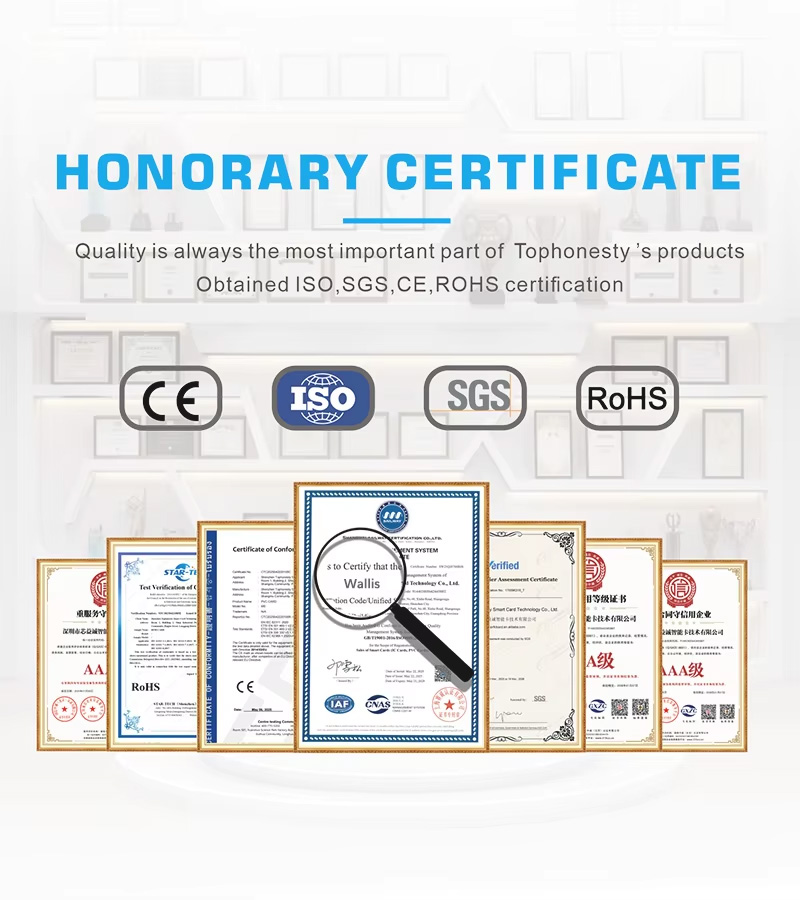
Available Product Documentation
Wallis supplies decorative plastic materials and furniture edge solutions to cabinet manufacturers, furniture factories, panel processors, interior-material distributors, OEM brands, and project contractors. Support can include sample review, specification development, production coordination, inspection requirements, and export packaging.
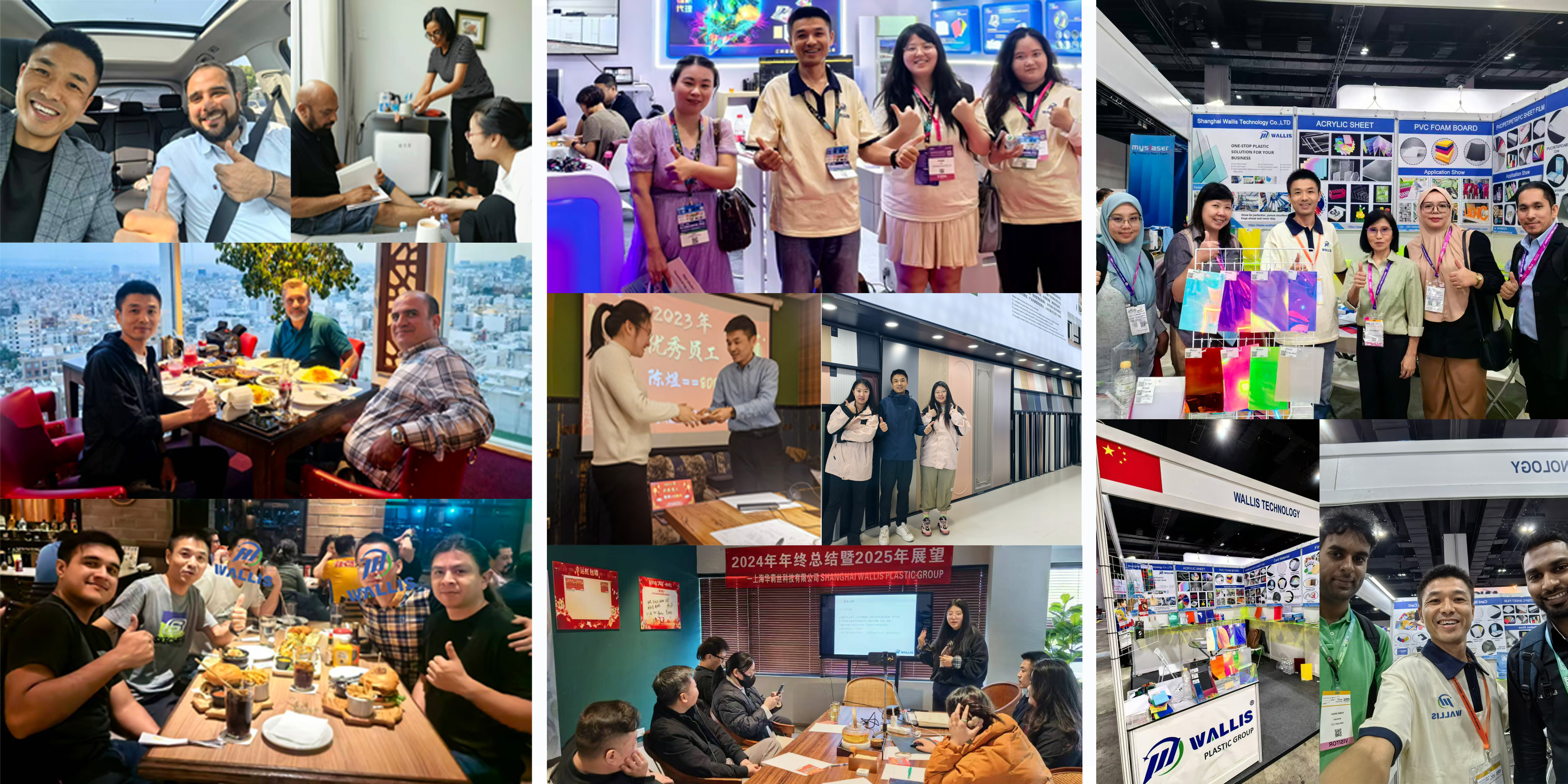
Company Daily Operations

To receive an accurate quotation, provide the base material, metallic-layer preference, physical color sample, finish, brush direction, gloss, width, thickness, roll length, core diameter, panel material, adhesive, edge-banding machine, feed speed, minimum bend radius, quantity, destination, packaging, and required test documents.
For custom profiles, die-cut strips, or logo printing, also provide drawings, artwork, dimensions, tolerances, print repeat, attachment method, final application, expected wear, and packaging requirements.
It covers exposed MDF, particleboard, plywood, and other compatible panel edges while adding a brushed, chrome, gold, silver, gunmetal, or other metallic decorative effect.
The source page describes a PVC base with a metallic surface layer. The visible layer may be metallic-effect film, print, coating, laminate, or real metal foil depending on the selected construction. Confirm the exact structure before ordering.
The original specification lists approximately 0.4–2.0mm. Final availability depends on the width, metallic décor, bend radius, processing equipment, surface construction, quantity, and application.
The source page lists widths from approximately 12mm to 50mm or wider. Specify panel thickness, trimming allowance, machine tolerance, and usable width when requesting a quotation.
Yes. Brushed aluminium, stainless-steel effect, chrome, gold, copper, rose gold, bronze, gunmetal, black nickel, matte, gloss, smooth, textured, and custom effects can be discussed.
Suitable grades may be used on curved edges, but minimum radius depends on thickness, PVC formulation, metallic-layer construction, temperature, adhesive, equipment, and profile geometry. A contour trial is required.
Appropriate grades can be processed on conventional equipment when the primer, adhesive, temperature, speed, pressure, trimming, scraping, and buffing tools are correctly matched. Test before bulk production.
EVA is common for conventional furniture, while PUR may be selected for higher heat, humidity, water, or chemical resistance. The adhesive must match the backside primer, panel, machine, and service environment.
Not automatically. Laser, hot-air, NIR, and similar systems require a specially engineered functional layer. Confirm a dedicated zero-joint product construction before using these processes.
No. Proper edge banding can reduce moisture entry at the edge, but complete panel performance depends on the joint, adhesive, panel core, corners, cutouts, surface laminate, installation, and exposure duration.
Scratch performance depends on the metallic-layer construction and coating. Request the exact test method and result, and evaluate the finished edge after trimming, scraping, buffing, and cleaning.
Logo printing is listed as a custom option. Provide vector artwork, print size, position, repeat length, colors, abrasion requirement, and order quantity for feasibility confirmation.
Yes, custom shapes and die-cut components can be discussed. Provide drawings, dimensions, tolerances, bending or attachment requirements, surface finish, quantity, and packaging details.
Use a clean soft cloth with water or a mild neutral detergent. Avoid abrasive tools, blades, powders, and unapproved solvents. Test commercial cleaners on the exact metallic surface first.
Yes. Request a visual sample for décor approval and sufficient trial material to evaluate winding, feeding, adhesive bonding, trimming, corner rounding, scraping, buffing, curvature, and finished appearance.
MOQ is not stated in the source material. It depends on whether the décor is standard or customized, as well as width, thickness, roll length, metallic construction, printing, primer, core, and packaging.
Provide metallic décor, physical sample, finish, width, thickness, roll length, core, panel, adhesive, machine, feed speed, bend radius, quantity, destination, packaging, and required test documents.


