Views: 9 Author: Site Editor Publish Time: 2023-07-18 Origin: Site
1.5mm double hardened PC/PMMA composite board is a high-performance transparent plastic sheet made by combining polycarbonate (PC) and polymethyl methacrylate (PMMA). It is designed to provide excellent impact resistance, optical clarity, scratch resistance, weather resistance, and long-term durability for demanding industrial and commercial applications.
By combining the toughness of PC with the surface hardness and clarity of PMMA, this composite board offers a balanced material solution for automotive parts, electronic display covers, touch panels, signage, protective panels, furniture components, and architectural applications.
A PC/PMMA composite board is an engineered plastic sheet that combines two different materials in one structure. PC provides excellent impact strength and toughness, while PMMA provides high transparency, surface gloss, and improved hardness.
The 1.5mm double hardened version is specially treated on the surface to improve scratch resistance and durability. This makes it suitable for applications where the board must remain clear, smooth, strong, and visually attractive during long-term use.
The 1.5mm thickness provides a practical balance between rigidity, lightweight handling, flexibility, and processing performance. It is thick enough for protective covers and display panels, while still being easy to cut, print, laminate, form, and install.
The double hardened surface improves resistance to scratches, abrasion, cleaning marks, and daily wear. For products such as screen covers, touch panels, instrument panels, signage, and protective windows, this surface treatment helps maintain long-term appearance and optical performance.
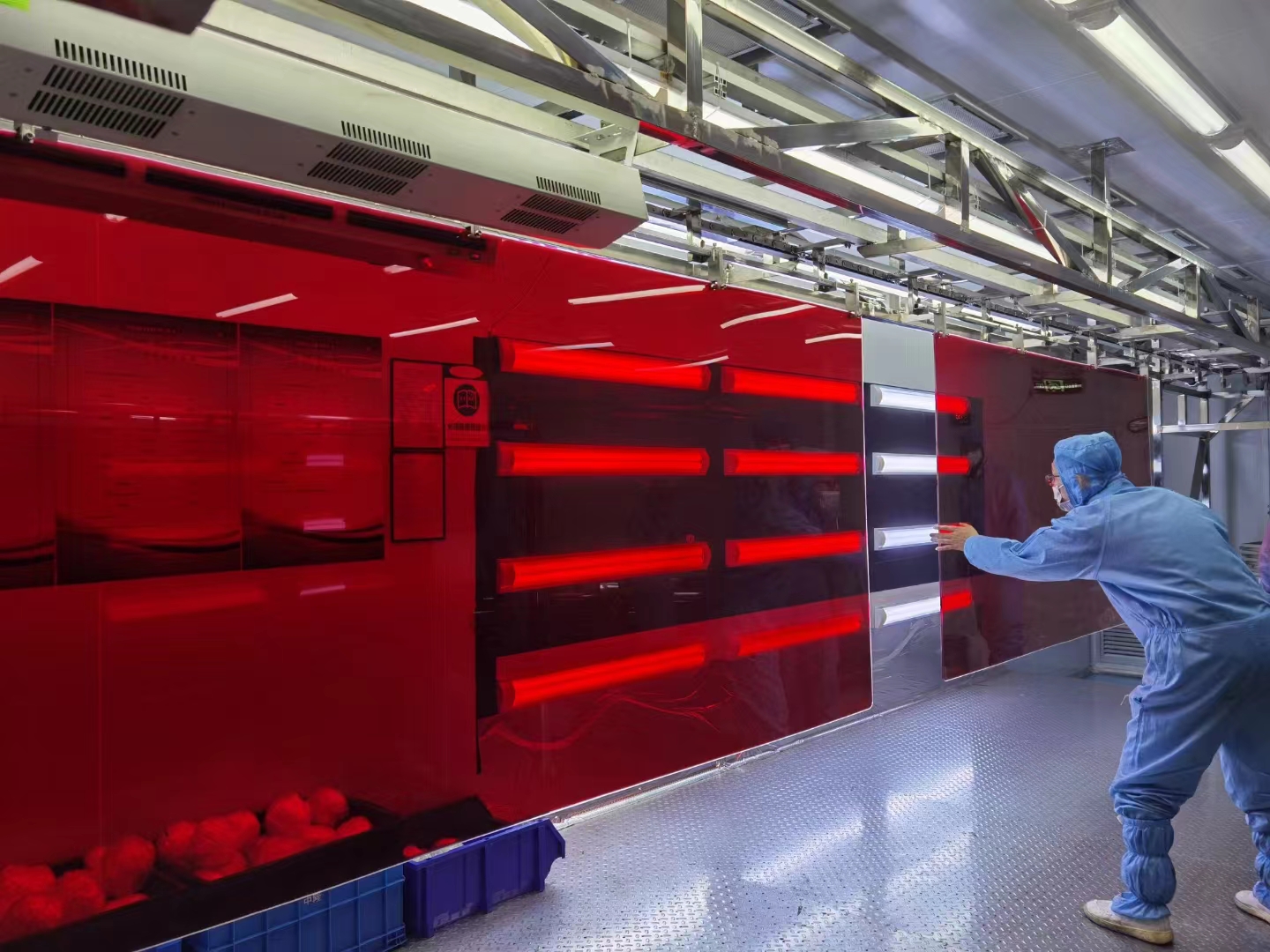
The manufacturing process of a PC/PMMA composite board involves combining PC and PMMA materials in a controlled structure to achieve the required mechanical and optical properties. The board is then treated with a hardening process to enhance surface durability, scratch resistance, and impact performance.
During production, important quality factors include material purity, bonding stability, surface flatness, thickness tolerance, optical clarity, coating uniformity, and final surface hardness. These factors directly affect the performance of the finished board in electronics, automotive, construction, and signage applications.
The PC layer gives the composite board strong impact resistance and toughness. This makes the material suitable for protective panels, automotive parts, machine covers, display protection, and other applications where safety and durability are important.
The PMMA layer helps provide high transparency and a clean surface appearance. This makes PC/PMMA composite board a good option for products requiring visibility, light transmission, display readability, and premium visual quality.
The double hardened surface helps protect the board from scratches, abrasion, and daily handling marks. This is especially useful for touch panels, electronic display covers, instrument panels, transparent protective covers, and high-end signage.
PC/PMMA composite board can offer good weather resistance for outdoor or semi-outdoor applications. It can help resist UV exposure, surface aging, and environmental stress when the correct grade and coating structure are selected.
Compared with glass, PC/PMMA composite board is lighter and easier to handle. It can be cut, printed, thermoformed, laminated, die-cut, drilled, and fabricated according to project requirements.
The composite board offers useful chemical resistance and thermal stability for many industrial and commercial environments. It can maintain performance under normal temperature changes, cleaning conditions, and product handling requirements.
PC/PMMA composite board combines the impact resistance of PC with the optical clarity of PMMA. This balance makes it suitable for applications where both protection and visual performance are required.
The hardened surface improves wear resistance compared with many standard plastic sheets. It helps reduce visible scratches and keeps the surface clearer during long-term use.
The smooth and transparent appearance makes the board suitable for products where visual quality matters, such as display windows, electronic covers, automotive decorative parts, furniture panels, and premium signage.
The board can be processed into different shapes and sizes. It supports cutting, forming, printing, coating, and assembly, helping manufacturers develop customized parts for different industries.
Compared with glass, 1.5mm PC/PMMA composite board is lighter and more impact-resistant. It can be used in applications where glass is too heavy, too fragile, or too difficult to process.
The 1.5mm double hardened PC/PMMA composite board is used in many industries that require clear, strong, scratch-resistant, and lightweight sheet materials.
PC/PMMA composite board can be used for automotive interior panels, instrument panels, sunroof covers, decorative trim parts, protective windows, and transparent functional components that require impact resistance and attractive surface quality.
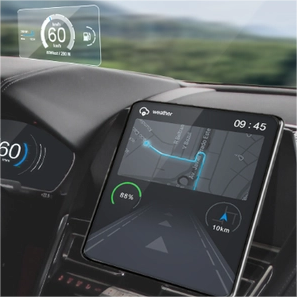
The board is suitable for electronic display covers, touch panels, instrument windows, control panels, smart device covers, and protective screens. Its clarity and scratch resistance help improve product appearance and user experience.
It can be used for safety glazing, protective barriers, interior partitions, decorative panels, roofing parts, and transparent building components where a lightweight and durable material is required.
PC/PMMA composite board is used in outdoor signage, illuminated signboards, advertising displays, retail display panels, exhibition products, and printed display sheets where clarity and durability are required.
The board can be used for tabletops, shelves, transparent panels, cabinet inserts, decorative covers, and furniture components that need both strength and visual appeal.

Compared with glass, PC/PMMA composite board is lighter, easier to fabricate, and more impact-resistant. It is a better option for products that require transparent protection without the weight and breakage risk of glass.
Single-layer PC sheet provides strong impact resistance, but its surface may be easier to scratch without hard coating. PC/PMMA composite board improves surface hardness and appearance while maintaining good toughness.
Acrylic sheet has excellent transparency and gloss, but PC/PMMA composite board offers better impact resistance because of the PC layer. For protective covers and high-impact applications, PC/PMMA is often more suitable.
Buyers should confirm whether the board will be used for automotive parts, display covers, touch panels, signage, furniture, construction panels, or industrial protection. Different applications may require different surface hardness, transparency, thickness tolerance, and weather resistance.
For touch panels, display covers, and decorative surfaces, surface hardness is very important. Buyers should confirm whether the board needs single-side or double-side hard coating, anti-scratch performance, or special surface treatment.
If the board is used for displays or transparent covers, optical clarity, haze, light transmission, flatness, and surface defects should be carefully checked before mass production.
PC/PMMA composite board may be cut, die-cut, printed, thermoformed, laminated, or assembled. The selected material should match the processing method to avoid cracking, coating damage, deformation, or poor adhesion.
For industrial projects, sample testing is recommended before bulk production. Testing can include surface hardness, impact resistance, optical clarity, printing adhesion, forming performance, and environmental durability.
PC/PMMA composite board can support long service life because of its durability and surface protection. Longer service life can reduce the need for frequent replacement and help improve material efficiency.
Recycling and environmental handling should follow local material recovery systems and application-specific requirements. For industrial buyers, material selection should consider performance, service life, processing efficiency, and end-of-life management.
Wallis supplies high quality PC/PMMA composite boards for electronics, automotive, signage, construction, furniture, and industrial applications. We can support different thicknesses, surface treatments, hardness requirements, colors, sizes, and customized specifications according to project needs.
Whether you need 1.5mm double hardened PC/PMMA composite board, scratch-resistant composite sheet, waterproof PC/PMMA board, or custom transparent plastic sheet material, Wallis can help you select the right solution for sampling and mass production.
The 1.5mm double hardened high quality PC/PMMA composite board is a strong, transparent, scratch-resistant, and lightweight material for demanding applications. It combines the impact resistance of polycarbonate with the clarity and surface hardness of acrylic, making it suitable for electronics, automotive, construction, signage, furniture, and industrial protection.
For buyers looking for a durable alternative to glass or ordinary plastic sheet, PC/PMMA composite board offers excellent performance, processing flexibility, and long-term value.
It is a transparent composite plastic sheet made from PC and PMMA with a hardened surface. It offers impact resistance, optical clarity, scratch resistance, and lightweight performance for industrial and commercial applications.
The main advantages include high impact resistance, excellent transparency, improved surface hardness, scratch resistance, lightweight structure, weather resistance, and good processing flexibility.
It is used for automotive parts, electronic display covers, touch panels, protective screens, signage, furniture panels, safety glazing, partitions, and industrial protective components.
For many protective applications, PC/PMMA composite board is better than glass because it is lighter, more impact-resistant, easier to fabricate, and less likely to break during handling or use.
Yes. PC/PMMA composite board can be cut, die-cut, printed, drilled, formed, and fabricated. The processing method should match the board structure and surface coating to avoid damage.
Double hardened usually means the board has enhanced surface treatment for better scratch resistance and wear resistance. It may refer to hard coating on both surfaces or a higher surface protection level depending on the product specification.
Choose based on application, thickness, surface hardness, optical clarity, impact resistance, weather resistance, processing method, and required certifications or test standards. Sample testing is recommended before bulk orders.