What Is a Scratch-Resistant PC/PMMA Composite Sheet?
A PC/PMMA composite sheet is a multilayer plastic sheet that combines a high-impact polycarbonate (PC) core with a harder polymethyl methacrylate (PMMA) surface. This construction balances impact strength, optical appearance, scratch resistance and processability in one lightweight material.
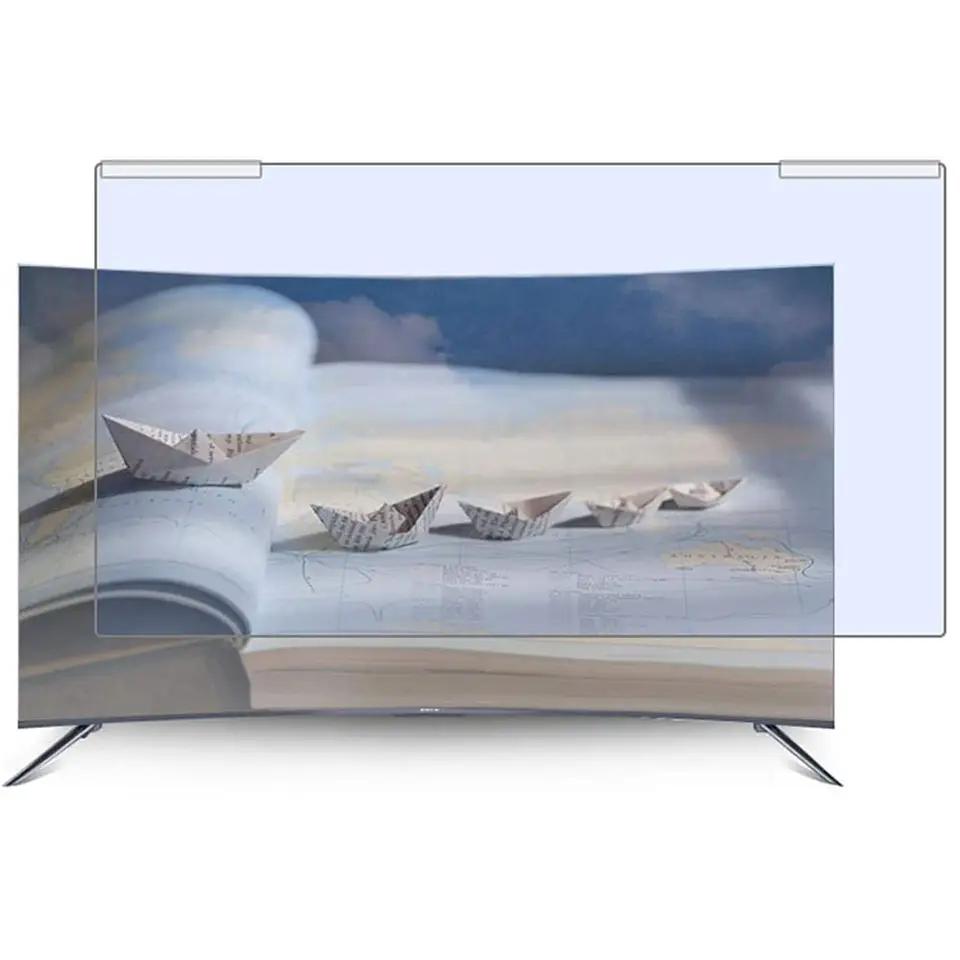
Wallis supplies transparent PC/PMMA composite board for display covers, equipment windows, automotive interior panels, electronic control surfaces, retail fixtures and other applications that require a durable, easy-to-clean and water-resistant surface. The standard thickness shown on this page is 1.5 mm; custom thicknesses, sheet sizes and colors are available according to project requirements.
Request a Sample or Quote
How the PC/PMMA Composite Structure Works
PMMA Surface Layer: Clarity and Scratch Resistance
The PMMA face provides a glossy, visually clear surface with better inherent hardness and weatherability than uncoated PC. It helps the finished panel resist routine scuffs and preserve its appearance in frequently handled applications.
PC Core Layer: Impact Strength and Formability
The polycarbonate core contributes toughness, bending performance and resistance to accidental impact. Compared with using PMMA alone, the composite structure is less prone to brittle failure and is easier to adapt to demanding protective and decorative components.
Important: final hardness, UV durability, light transmission, forming performance and chemical resistance depend on the selected grade, layer ratio, thickness and any optional hard coating. Confirm the required test method and target value before placing a bulk order.
Transparent PC/PMMA Composite Sheet
PC/PMMA Composite Sheet Technical Specifications
| Item | Specification |
| Product Type | PC/PMMA composite board |
| Material Structure | Polycarbonate (PC) core with PMMA surface layer |
| Standard Thickness | 1.5 mm |
| Custom Thickness | Available on request |
| Sheet Size | Customizable according to drawing or order requirement |
| Color | Transparent or customized |
| Surface Finish | Glossy / transparent |
| Key Performance | Scratch resistant, waterproof, impact resistant and UV-stable grade available |
| Processing Methods | Cutting, drilling, CNC machining and bending |
| Use Environment | Indoor use; outdoor use with the appropriate UV-resistant grade |
| OEM / ODM | Supported |
| Sample | Available for material evaluation |
Key Benefits of Scratch-Resistant Waterproof PC/PMMA Board
Better Surface Durability Than Standard PC
The PMMA surface helps reduce visible scratching from normal handling and cleaning. For high-contact cover lenses or control panels, specify the required pencil-hardness or abrasion-test standard so the grade can be matched to the application.
High Impact Resistance and Safer Handling
The PC core absorbs impact better than brittle transparent materials, helping reduce cracking and breakage during fabrication, installation and service. This makes the composite sheet a practical option where glass-like appearance and improved toughness are both required.
Water-Resistant, Easy-to-Clean Surface
The non-porous plastic surface does not absorb water and can be wiped clean. For exposure to disinfectants, solvents, salt spray or aggressive cleaners, request chemical-compatibility testing for the exact cleaning agent and contact time.
Optical Appearance and Design Flexibility
Transparent and glossy finishes support display protection, decorative panels and printed components. Custom color, printing, machining and forming requirements can be evaluated from drawings or finished-part samples.
UV-Stable Options for Outdoor Projects
For outdoor signage, transportation or architectural components, select a UV-stabilized grade based on the expected climate, exposure period and color-change requirement. Outdoor suitability should be confirmed against the project specification rather than assumed from material type alone.

PC/PMMA Composite Board Performance and Appearance
Applications of PC/PMMA Composite Sheet
Automotive Displays and Interior Panels
Suitable for display cover lenses, instrument-cluster covers, center-console panels and decorative trim where optical appearance, impact resistance and a durable touch surface are important.
Industrial HMI and Equipment Windows
Used for machine control-panel windows, instrument protection, equipment covers and nameplates. CNC holes, slots, cutouts and printed graphics can be matched to the customer’s technical drawing.
Electronics and Smart-Device Panels
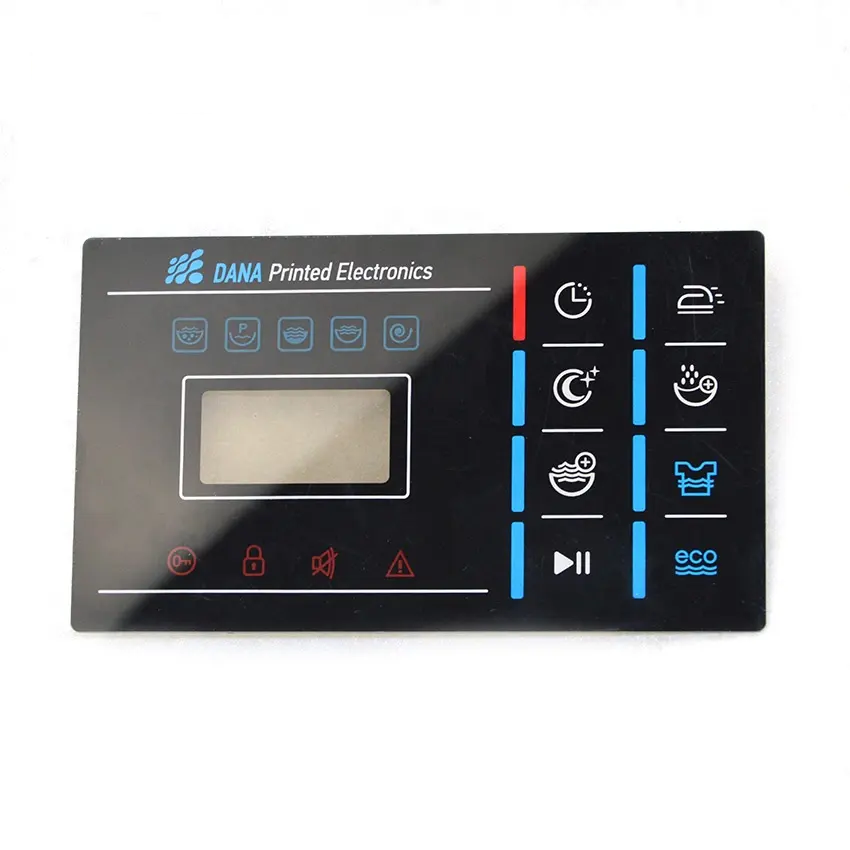
The combination of clarity, printability and impact performance supports touch-panel covers, appliance control surfaces, smart-home panels and electronic display windows.
Retail Displays, Signage and Interior Fixtures
The glossy surface and easy-clean performance suit product displays, signs, partitions, shelf components and decorative panels exposed to frequent handling.
Outdoor and Transportation Components
UV-stabilized grades can be considered for protected outdoor signage, vehicle interiors, marine cabin components and similar projects. The required weathering test, flame rating and service-temperature range should be defined during material selection.
Typical PC/PMMA Composite Board Applications
PC/PMMA Composite vs. PC, PMMA and Glass
| Selection Factor | PC/PMMA Composite | Standard PC | PMMA | Glass |
| Impact Resistance | High | High | Lower than PC | Brittle under impact |
| Surface Scratch Resistance | Better than standard PC; grade dependent | Lower without hard coating | Good | Excellent |
| Weight | Lightweight | Lightweight | Lightweight | Heavy |
| Forming and Machining | Good; confirm bend and forming radius | Good | Moderate; more brittle | Limited and specialized |
| Weatherability | Good with suitable UV grade | UV protection normally required | Naturally good | Good |
| Best Fit | Impact plus premium surface appearance | Impact-focused transparent parts | Clarity and weatherability | Maximum surface hardness and rigidity |
Comparison is a general material-selection guide. Actual performance varies by resin grade, thickness, layer ratio, coating and test method.
Customization and Processing Options
Dimensions: custom thickness, width, length and cut-to-size sheets.
Color and appearance: transparent, customized color and glossy finish.
Fabrication: precision cutting, drilling, CNC holes, slots and custom shapes.
Forming: bending or formed parts subject to thickness, radius and visual requirements.
Surface protection: protective masking film for transport and downstream processing.
OEM / ODM: material and fabrication support based on samples or technical drawings.
Discuss Your Custom Specification
How to Select the Right PC/PMMA Composite Board
1. Define the End-Use Environment
State whether the part is used indoors or outdoors and identify exposure to sunlight, water, cleaners, chemicals, heat, cold and repeated touching. This determines whether UV stabilization or application-specific surface treatment is required.
2. Specify the Critical Performance Targets
Instead of requesting only “high scratch resistance,” provide measurable acceptance criteria such as pencil hardness, Taber abrasion, light transmission, haze, impact test, UV-aging hours, dimensional tolerance or flame rating.
3. Share the Drawing and Processing Route
Send the finished size, thickness, tolerances, holes, edge details, bending radius, forming depth, printing method and assembly process. These details help evaluate cracking, optical distortion and dimensional stability before production.
4. Approve a Sample Before Bulk Production
Test the sample under actual processing and service conditions. For critical projects, agree on the approved sample, inspection method and acceptance limits before confirming mass production.
Quality Control and Production Capability
Wallis uses production and inspection equipment to control appearance and functional performance. Depending on the agreed specification, evaluation can include sheet dimensions, surface appearance, transmittance and haze, abrasion behavior, UV weathering and packaging condition.


Transmittance & Haze

Taber Abrasion Tester

Salt Spray Tester

UV Weathering Tester

Coating Line

Protective Masking Film

Protective Packaging
Why Choose Wallis as Your PC/PMMA Sheet Supplier?
Stable production: advanced extrusion technology supports consistent sheet quality for repeat orders.
Virgin raw materials: selected resins help maintain clarity, appearance and processing consistency.
Custom manufacturing: dimensions, color and downstream fabrication can be matched to project needs.
Quality inspection: agreed dimensions and performance items are checked before shipment.
B2B supply support: samples, technical communication, bulk production and export packaging are available.
OEM / ODM service: support from material selection through custom finished components.
Global Project and Order Support
Wallis supports overseas importers, distributors, fabricators and OEM customers with sample evaluation, specification confirmation, production coordination and export packaging. Share your application, annual demand and technical drawing to receive a more accurate recommendation.

Wallis Daily Operations and Global Order Support
Customer Feedback

PC/PMMA Composite Sheet FAQs
What is the difference between PC/PMMA composite sheet and standard polycarbonate?
Standard PC provides excellent impact strength but scratches relatively easily. PC/PMMA composite sheet adds a harder PMMA surface while retaining the toughness of the PC core, giving a better balance of impact performance and surface appearance.
Is PC/PMMA composite board completely scratch-proof?
No transparent plastic is completely scratch-proof. The PMMA surface offers better scratch resistance than standard PC, while optional hard-coated grades can provide higher abrasion resistance. Specify the required test standard and acceptance value for demanding applications.
Is the sheet suitable for outdoor use?
Yes, when the correct UV-stabilized grade is selected. Tell Wallis the location, expected service life, sunlight exposure and color-change limits so the appropriate weather-resistant option can be evaluated.
Can PC/PMMA sheets be cut, drilled, printed or bent?
Yes. Available processing includes cutting, drilling, CNC machining and bending. Share the thickness, bend radius, forming temperature, print system and drawing before production so compatibility can be confirmed.
Can Wallis provide custom thicknesses, sizes and colors?
Yes. The standard thickness on this page is 1.5 mm, and custom thicknesses, sheet dimensions and colors are available subject to technical review, production capability and order quantity.
How should I clean a PC/PMMA composite surface?
Use clean water, mild neutral detergent and a soft non-abrasive cloth. Avoid dry wiping, abrasive pads and unapproved solvents. Test any chemical cleaner on a sample before widespread use.
What information is needed for an accurate quotation?
Please provide thickness, width, length, color, finish, application, performance requirements, processing drawings, quantity, delivery destination and required certificates or test reports.
Can I receive a sample before placing a bulk order?
Yes. Samples are available for appearance, processing and performance evaluation. For a custom grade or fabricated part, provide the technical specification so Wallis can confirm sample availability and lead time.
Need a custom PC/PMMA composite sheet?
Send your drawing, target performance, dimensions and order quantity for material selection and quotation.
Contact Wallis