Ultra Clear Acrylic Pool Panel & Swimming Pool Window
Wallis supplies ultra-clear cast acrylic pool panels and swimming pool windows for luxury pools, infinity pools, hotels, resorts, water parks, aquariums and architectural water features. Manufactured from premium cast PMMA, these transparent structural panels provide high optical clarity and can be custom engineered into flat or curved configurations according to project drawings.
Compared with conventional opaque pool walls, a transparent acrylic pool panel creates uninterrupted views through the water and allows architects to integrate the swimming pool into the surrounding architecture. Typical designs include transparent pool walls, infinity pool edges, underwater viewing windows, curved acrylic pool walls and custom water-retaining panels.
Wallis supports customized panel dimensions, thicknesses, CNC machining, polishing, bonding, thermoforming and curved fabrication for architects, swimming pool contractors, aquatic engineering companies, hotel developers and other B2B project buyers.
Acrylic Swimming Pool Panel Specifications
Acrylic pool windows are project-engineered structural components rather than standard decorative sheets. Final thickness, dimensions, curvature, support conditions, bonding design and installation details should be determined from the actual pool geometry and engineering requirements.
| Parameter | Specification |
| Product | Custom Acrylic Pool Panel / Swimming Pool Window |
| Material | Premium Cast PMMA Acrylic |
| Color | Crystal Clear |
| Light Transmission | Up to approximately 92%, depending on panel specification and thickness |
| Thickness Range | 20mm–300mm available for customized projects; final structural thickness must be engineering-verified |
| Panel Size | Customized according to project drawings, production feasibility and structural requirements |
| Panel Shape | Flat, curved and customized configurations |
| Surface Finish | High-Gloss Polished |
| Density | Approximately 1.19g/cm³ |
| Processing | CNC cutting, machining, polishing, bonding, thermoforming and custom curved fabrication |
| Protection | PE protective film on both sides |
| Applications | Swimming pools, infinity pools, underwater windows, aquariums, resorts, hotels, water parks and architectural water features |
| OEM / ODM | Supported |
Engineering note: The required acrylic thickness cannot be selected from water depth alone. Panel width and height, water level, support condition, edge restraint, curvature, allowable deflection, safety factors and applicable engineering requirements should all be considered before final production.
What Is an Acrylic Swimming Pool Window?
An acrylic swimming pool window is a transparent cast PMMA panel engineered to retain pool water while providing a clear view through the side, end or floor of a swimming pool. Depending on the design, the same type of component may also be described as an acrylic pool panel, transparent pool wall, pool viewing window or infinity pool acrylic panel.
Unlike ordinary decorative acrylic sheet, water-retaining pool panels are structural components. Their design must account for hydrostatic pressure, panel span, support conditions, joint design, installation method and long-term loading.
Why Cast PMMA Is Used for Acrylic Pool Panels
High Optical Clarity
Ultra-clear PMMA provides high transparency for underwater viewing applications. A properly designed and polished acrylic pool window can create a visually open boundary between the pool and the surrounding architecture.
Excellent Design Flexibility
Cast acrylic can be fabricated into large-format flat panels as well as specially formed curved components. This flexibility allows architects to develop swimming pool shapes that would be difficult to realize with conventional rigid glazing.
Lower Weight Than Glass
PMMA has a lower density than glass, which can reduce component weight for comparable geometries. Actual handling and installation requirements still depend heavily on the final panel dimensions and thickness, especially for large structural pool windows.
Polished Transparent Edges
Precision machining and polishing help create a refined appearance at visible edges and surfaces, which is especially important in luxury hotels, villas, resorts and architectural water features.
Suitable for Custom Bonded Structures
Where project dimensions exceed a single-panel manufacturing or transportation limit, specialized bonding concepts may be evaluated. Bond design and execution should be treated as part of the engineered water-retaining system.
Custom Flat and Curved Acrylic Pool Panels
Flat Acrylic Pool Windows
Flat transparent panels are widely used for rectangular pool windows, infinity edges and architectural viewing walls. Their size and thickness should be designed according to the water-retaining span and support system.
Curved Acrylic Pool Walls
Thermoformed and curved acrylic allows architects to create rounded pool ends, curved viewing windows and continuous water-feature surfaces. Curve radius, thickness, panel dimensions and optical requirements should be defined during the design stage.
Infinity Pool Acrylic Edges
Transparent acrylic can replace an opaque section of an infinity pool wall to create uninterrupted views between the water, landscape and surrounding architecture.
Underwater Viewing Windows
Pool viewing windows allow observers outside the pool to see swimmers and underwater activity. They are used in private pools, hotels, sports facilities, training pools and architectural leisure projects.
How Acrylic Pool Panel Thickness Is Determined
The correct thickness for a swimming pool acrylic window is a structural engineering decision. A simple statement such as “a certain water depth requires a certain thickness” is not sufficient because two panels exposed to the same water depth can require different designs.
| Engineering Factor | Why It Matters |
| Water Depth | Hydrostatic pressure increases with water depth and directly affects panel loading. |
| Panel Width and Height | Larger unsupported spans can significantly affect stress and deflection. |
| Support Conditions | A panel supported on two, three or four edges behaves differently under pressure. |
| Panel Geometry | Flat and curved panels distribute loads differently and require project-specific evaluation. |
| Long-Term Creep | Acrylic under sustained loading must be evaluated for long-term structural behavior, not only short-term strength. |
| Allowable Deflection | The acceptable movement of the panel affects both structural performance and joint design. |
| Frame and Rebate Design | Support geometry and edge engagement influence stress transfer and sealing performance. |
| Safety Factors | Project-specific design criteria and applicable engineering requirements must be incorporated. |
For this reason, Wallis should receive complete pool drawings and project conditions before the panel specification is finalized. Structural design and installation should be reviewed by qualified engineering professionals responsible for the complete pool system.
Acrylic Pool Panel vs Glass Pool Window
Both acrylic and glass can be used to create transparent aquatic structures, but their material characteristics and fabrication methods differ. The final choice should be based on structural design, panel size, geometry, optical requirements, installation and project budget.
| Comparison | Cast Acrylic | Glass |
| Optical Appearance | High transparency with excellent suitability for thick viewing panels | High transparency depending on glass type and laminate construction |
| Weight | Lower material density than glass | Higher density |
| Curved Fabrication | Suitable for custom thermoformed curved geometries | Curved glazing requires specialized glass manufacturing |
| Large Custom Structures | Can be fabricated and bonded for specialized large-format projects | Size and laminate configuration depend on glass production and structural constraints |
| Surface Care | Requires acrylic-compatible cleaning methods to reduce scratching | Generally harder surface but still requires appropriate maintenance |
| Engineering | Requires structural calculation for water-retaining applications | Requires structural calculation for water-retaining applications |
Applications of Acrylic Swimming Pool Panels
Luxury Residential Swimming Pools
Custom acrylic pool walls can create a distinctive architectural feature for villas and premium residential developments. Transparent sidewalls, infinity edges and underwater viewing areas visually connect the pool with gardens, terraces and interior spaces.
Hotel and Resort Infinity Pools
Hotels and resorts can use clear acrylic panels to create signature rooftop pools, transparent infinity edges and dramatic water features that become part of the property's architectural identity.
Rooftop and Elevated Pools
Transparent side or end panels can create striking views from elevated pools. These projects require close coordination between the acrylic panel design, primary building structure, pool shell and waterproofing system.
Water Parks and Aquatic Facilities
Acrylic viewing panels can be incorporated into aquatic centers and water attractions where project designers require underwater visibility, observation zones or transparent architectural effects.
Aquariums and Marine Exhibits
Thick cast PMMA is also widely associated with aquarium viewing windows because the same fundamental requirements for transparency, hydrostatic loading and large structural viewing areas are relevant.
Architectural Water Features
Custom acrylic panels can be incorporated into reflecting pools, fountains and other architectural water installations where transparent water-retaining surfaces form part of the visual concept.
Custom Processing for Acrylic Pool Windows
CNC Cutting and Machining
CNC processing can be used to create project-specific panel geometry, edge details and other features defined in approved fabrication drawings.
Precision Polishing
Visible acrylic surfaces and edges can be polished to improve transparency and the finished architectural appearance.
Thermoforming and Curving
Custom forming allows thick acrylic components to be produced for selected curved pool walls and architectural water features. The achievable geometry depends on panel thickness, dimensions, radius and manufacturing feasibility.
Acrylic Bonding
Bonding may be considered when a project requires acrylic assemblies larger or more complex than a single manufactured panel. Bond design should be coordinated with structural and installation requirements.
What Information Is Needed for a Pool Panel Quotation?
Acrylic swimming pool panels are highly customized products. Providing complete project information at the quotation stage helps evaluate panel geometry, processing requirements, manufacturing feasibility and transportation.
| Required Information | What to Provide |
| Panel Dimensions | Overall length, height, proposed thickness and required clear viewing area |
| Pool Water Depth | Maximum operating water level relative to the panel |
| Installation Position | Side wall, end wall, infinity edge, underwater window or other position |
| Support Condition | Number of supported edges, frame details and available rebate dimensions |
| Panel Shape | Flat or curved; provide radius and geometry for curved panels |
| Project Drawings | Architectural, structural and pool-section drawings where available |
| Edge Processing | Machining, polishing, bonding or other fabrication requirements |
| Quantity | Number of panels and project phases |
| Project Location | Country, city and delivery destination for logistics evaluation |
Have a Pool Drawing Ready?
Send Wallis your pool drawing, acrylic panel dimensions, water depth, installation position and curvature requirements for a customized project evaluation.
Submit Your Project Drawing Installation Considerations for Acrylic Pool Panels
A successful acrylic swimming pool window depends on the complete water-retaining assembly rather than the panel alone. Panel manufacturing, supporting structure, sealing, waterproofing and installation should therefore be coordinated as one system.
Structural Support and Rebate
The supporting structure must provide suitable panel engagement and transfer hydrostatic loads into the surrounding pool structure. Rebate geometry should be defined during engineering rather than improvised during installation.
PMMA-Compatible Sealants
Sealants, gaskets and installation materials that contact the acrylic should be chemically and physically compatible with PMMA and suitable for the loads and water-retaining conditions of the project.
Allow for Panel Movement
The installation design should accommodate expected dimensional movement and structural deflection without creating damaging point loads or restricting the acrylic incorrectly.
Protect the Surface During Construction
Protective film and suitable coverings should remain in place as long as practical during transportation and construction to reduce accidental scratching and contamination of polished surfaces.
Maintenance of Acrylic Swimming Pool Windows
Routine Cleaning
Use clean water, a soft cloth or other acrylic-compatible cleaning materials. Where a cleaning agent is required, use a product confirmed as suitable for PMMA.
Avoid Abrasive Cleaning
Abrasive pads, scraping tools and unsuitable cleaners can affect the polished acrylic surface and should be avoided.
Inspect Seals and Interfaces
Pool operators should include panel interfaces, sealant joints and surrounding waterproofing in the facility's normal inspection and maintenance program.
Wallis Acrylic Manufacturing and Project Support
Shanghai Wallis Technology Co., Ltd. supplies plastic sheet materials and customized plastic products for international B2B customers. For acrylic pool projects, Wallis can discuss cast PMMA panel specifications, CNC machining, polishing, bonding, thermoforming and customized fabrication according to submitted project information.
Because structural pool windows are project-specific, early communication between the acrylic supplier, architect, structural engineer, pool contractor and installer can help identify manufacturing, transport and installation constraints before final fabrication.


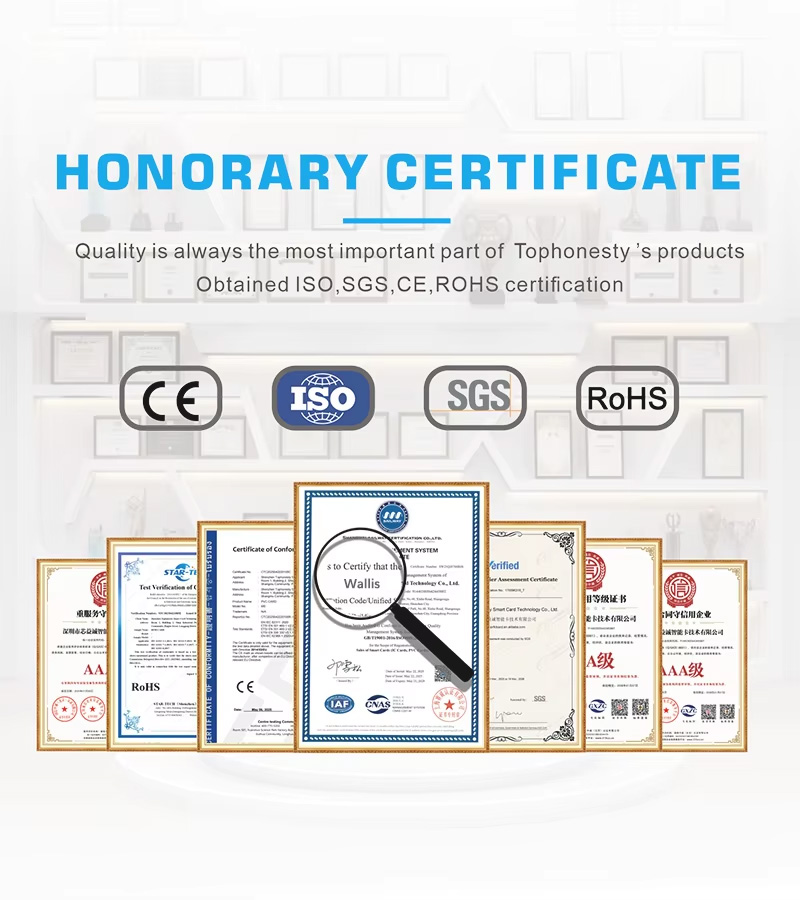
Certificate
Project Applications and International Supply
Wallis supports international customers requiring acrylic materials and custom-fabricated PMMA products for swimming pools, aquariums, water features and architectural projects. Project drawings and technical requirements can be reviewed before quotation and manufacturing evaluation.

Company Daily Operations
Customer Communication and Project Coordination
Customized pool panels require coordinated communication about drawings, dimensions, structural conditions, processing, delivery and installation schedules. Providing complete technical information at the beginning of the project helps reduce specification changes during production.

FAQ About Acrylic Swimming Pool Panels
What is an acrylic swimming pool panel?
An acrylic swimming pool panel is a structural cast PMMA component used to create a transparent section of a pool wall, infinity edge or underwater viewing window. Each water-retaining panel should be designed according to its actual dimensions, water pressure and support conditions.
Is an acrylic pool panel the same as a pool window?
The terms overlap. “Acrylic pool panel” is a broad description, while “swimming pool window” usually describes a transparent viewing section installed in a pool wall. Infinity pool acrylic walls and underwater viewing windows are common examples.
What material is used for Wallis pool panels?
Wallis specifies premium cast PMMA acrylic for this product. Cast acrylic is suited to thick, customized panels and can be processed through machining, polishing, bonding and custom forming methods.
What thickness of acrylic is required for a swimming pool window?
There is no universal thickness based only on pool depth. The required thickness depends on water depth, panel dimensions, number of supported edges, curvature, allowable deflection, long-term loading and applicable engineering requirements. Final thickness should be verified by structural calculations and appropriate project review.
What thickness range can Wallis manufacture?
The current Wallis product specification lists a customizable range of 20mm–300mm for structural pool projects. Availability of a particular panel depends on dimensions, shape, manufacturing feasibility and project requirements.
Can Wallis manufacture curved acrylic pool panels?
Yes. Wallis lists thermoforming and custom bending among its processing capabilities. Provide the panel dimensions, thickness, curve radius and drawings so manufacturing feasibility can be evaluated.
Can acrylic be used for an infinity pool wall?
Yes. Structural acrylic is widely used to create transparent infinity pool edges and viewing walls when the panel, frame, sealing and pool structure are engineered for the water-retaining load.
Can acrylic pool panels be used in rooftop pools?
Acrylic panels can be incorporated into elevated and rooftop pool designs, but the complete project requires structural evaluation of the building, pool shell, acrylic panel, support frame, waterproofing and installation system.
Can a pool window be retrofitted into an existing swimming pool?
Retrofitting may be possible for some existing pools, but feasibility depends on the existing structural wall, available support geometry, waterproofing, access and required panel size. The existing pool should be professionally assessed before modification.
How clear is a cast acrylic pool panel?
Clear PMMA is known for high optical transparency. Wallis lists light transmission up to approximately 92% for this product, while the actual optical result depends on material grade, panel thickness, surface finish, viewing geometry and installation.
Can very large acrylic pool windows be produced?
Large custom panels can be evaluated according to project drawings. Manufacturing limits, transport dimensions, lifting conditions, site access and whether bonding is required should all be considered early in the design process.
Can multiple acrylic panels be bonded together?
Wallis lists bonding among its processing capabilities. For water-retaining structures, any bonded joint should be specifically designed and evaluated as part of the complete structural system.
Are acrylic pool panels suitable for aquariums?
Thick cast PMMA is also used for aquarium viewing applications. Aquarium projects require the same project-specific attention to hydrostatic pressure, panel dimensions, support conditions, optical quality and long-term structural performance.
How do you clean an acrylic swimming pool window?
Use soft, clean materials and PMMA-compatible cleaning products. Avoid abrasive tools and aggressive chemicals that could scratch, craze or otherwise damage the polished acrylic surface.
What sealant should be used around an acrylic pool panel?
The sealant and surrounding installation materials should be physically and chemically compatible with PMMA and suitable for structural water-retaining conditions. The complete sealing system should be specified by the responsible project professionals.
What drawings should I send for a quotation?
Provide the panel length, height and proposed thickness, pool water depth, installation position, support condition, rebate details, curved radius if applicable, edge-processing requirements, project quantity and installation location. Architectural and structural drawings are highly useful.
Can I request a sample before ordering a structural pool panel?
Contact Wallis with your project specifications to discuss available material samples. A small material sample can help evaluate appearance and surface quality, but it does not replace structural verification of the final full-size pool panel.
Request a Custom Acrylic Pool Project Quotation
Looking for a custom acrylic pool window, infinity pool wall or curved swimming pool panel? Send Wallis your project drawings, panel dimensions, water depth, installation position, quantity and processing requirements for manufacturing evaluation and quotation.
Get a Custom Pool Panel Quote