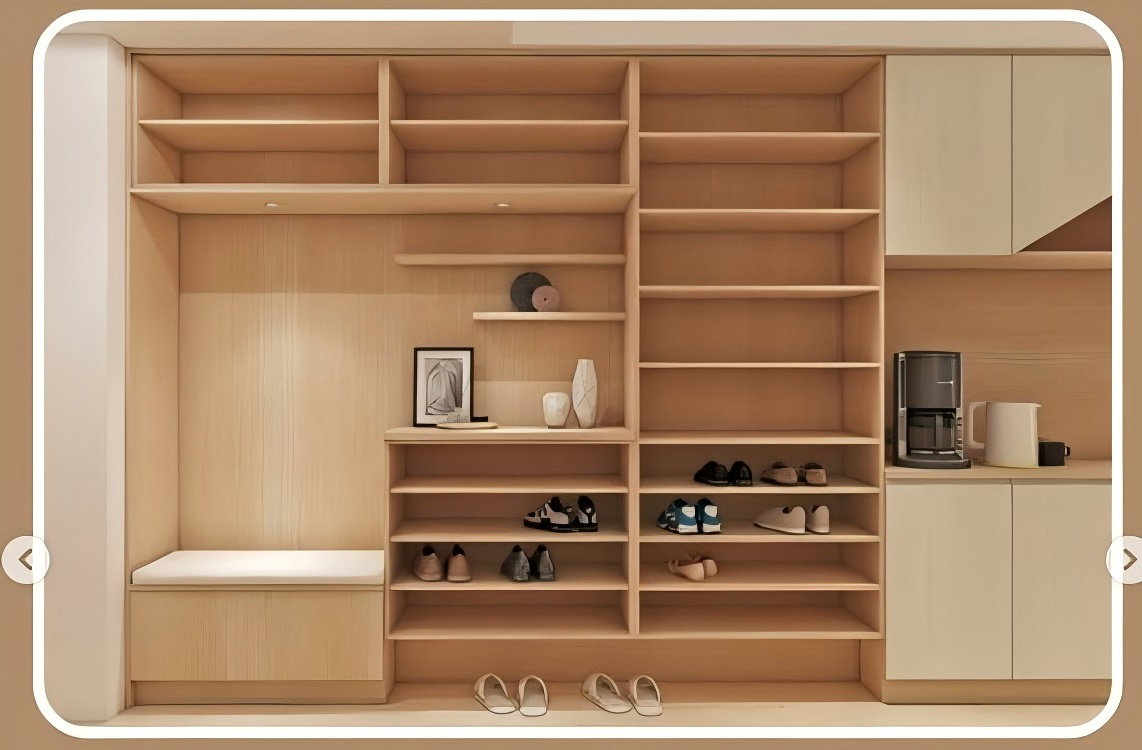
Mocha Mousse PETG Sheets for Modern Furniture Panels
Wallis Mocha Mousse PETG sheets for furniture panels combine a warm, sophisticated brown color with a smooth decorative surface designed for modern cabinet doors, wardrobes, wall panels, retail fixtures, office furniture, and other laminated interior panels. The product is developed for furniture manufacturers, panel laminators, distributors, interior contractors, and OEM buyers that need consistent color, reliable surface performance, and flexible customization.
Mocha Mousse was selected by the Pantone Color Institute as the 2025 Color of the Year. Its balanced brown character works as both a statement color and a versatile neutral, helping furniture brands create interiors that feel warm, refined, natural, and commercially relevant.
Available in matte, high-gloss, and customized surface options, Wallis PETG decorative sheets can be matched to project samples and supplied in customized thicknesses and dimensions. Anti-fingerprint and scratch-resistant surface options help reduce visible marks and support easier daily maintenance.
Request a Mocha Mousse PETG Sample

Product Specifications at a Glance
| Product | Mocha Mousse PETG Decorative Sheet for Furniture Panels |
| Material | PETG thermoplastic decorative sheet |
| Color | Mocha Mousse brown; custom color matching available |
| Thickness | 0.25–0.8 mm; customized thickness subject to project confirmation |
| Surface Finish | Matte, high gloss, skin-touch, or customized finish |
| Surface Options | Scratch-resistant, anti-fingerprint, stain-resistant, and easy-clean options |
| Compatible Substrates | MDF and other compatible furniture boards after adhesive and process validation |
| Typical Applications | Cabinet doors, wardrobes, wall panels, office furniture, retail displays, shelving, and decorative panels |
| Customization | Color, thickness, dimensions, finish, protective film, and OEM packaging |
Note: Final specifications, tolerances, color approval, surface performance, substrate compatibility, and processing conditions should be confirmed against the approved sample and technical documentation before mass production.
Why Furniture Manufacturers Choose Mocha Mousse PETG
Trend-Relevant Color with Long-Term Versatility
Mocha Mousse brings warmth to minimalist, contemporary, hospitality, residential, and commercial interiors. Unlike a highly saturated seasonal color, its muted brown tone can function as a neutral base, making it easier to coordinate with wood grain, stone, metal, cream, grey, black, and soft green design elements.
Premium Matte or High-Gloss Appearance
A matte Mocha Mousse surface creates a calm, understated look suitable for soft-touch cabinet fronts and wardrobes. A high-gloss version increases visual depth and light reflection, making it suitable for luxury kitchens, retail fixtures, hotel interiors, and decorative feature panels.
Cleaner Surfaces for High-Contact Furniture
Anti-fingerprint and stain-resistant surface options help reduce the visibility of hand marks, oil smudges, and routine dirt. This is especially useful for cabinet doors, wardrobes, counters, display units, and other surfaces that are frequently touched in residential and commercial environments.
Stable Decorative Surface for Panel Lamination
PETG provides a smooth decorative face for laminated furniture boards. With the correct adhesive, pressing parameters, substrate preparation, and protective handling, it can support consistent production of flat cabinet fronts, wall panels, furniture facades, and selected formed components.
Mocha Mousse Color Direction for Furniture Design
A Warm Brown Inspired by Comfort and Natural Materials
Mocha Mousse is a soft brown associated with cocoa, coffee, earth, and natural materials. In furniture design, it can soften large panel surfaces and introduce warmth without overwhelming the surrounding interior. It is well suited to projects seeking quiet luxury, organic modern, warm minimalism, or hospitality-inspired aesthetics.
Recommended Color Pairings
Warm whites and creams: create a soft, bright, and balanced residential palette.
Natural oak and walnut: reinforce an organic, material-led furniture concept.
Charcoal grey and black: add contrast for contemporary kitchens and offices.
Muted green and blue: introduce a calm complementary accent for hospitality and retail interiors.
Brushed brass or bronze: create a warmer premium effect for handles, trims, and display details.
Physical Sample Approval Is Essential
Screen colors, photography, lighting conditions, gloss level, substrate color, and protective film can change how a finished panel appears. For accurate production, buyers should approve a physical color sample under the intended lighting and evaluate it together with the selected board, adhesive, edge band, and hardware.
PETG Surface Features for Furniture Panels
Scratch-Resistant Surface Options
Scratch-resistant grades help protect furniture surfaces during fabrication, transport, installation, and normal indoor use. The required resistance level should be selected according to the final application, cleaning method, handling conditions, and buyer test standard.
Anti-Fingerprint and Easy-Clean Performance
Anti-fingerprint treatment is especially valuable on dark or matte furniture fronts, where hand marks may otherwise be more visible. The smooth, non-porous decorative face can be cleaned with a soft cloth and a mild neutral cleaner. Abrasive pads, sharp tools, and aggressive solvents should be avoided unless specifically approved.
Impact Resistance and Processing Flexibility
PETG is known for a useful balance of toughness, surface clarity, and thermoforming capability. For furniture production, the final behavior depends on sheet thickness, surface coating, heating conditions, forming radius, adhesive system, and substrate preparation. Trial production is recommended before full-scale lamination or forming.
Recyclability Considerations
PETG is a thermoplastic material that may be recyclable where suitable collection and processing infrastructure exists. The recyclability of a finished laminated furniture panel depends on its complete construction, including coatings, adhesive, substrate, edge banding, and local recycling systems. Buyers with environmental targets should confirm the relevant material documentation and end-of-life route for their market.

Applications of Mocha Mousse PETG Sheets
Kitchen Cabinet Doors and Drawer Fronts
Mocha Mousse PETG can create coordinated cabinet fronts with a warm modern appearance. Matte anti-fingerprint finishes are suitable for minimalist kitchens, while high-gloss finishes can be used to create greater visual depth and a brighter luxury effect.
Wardrobes, Closets, and Bedroom Furniture
Large wardrobe doors benefit from a calm neutral color that can coordinate with flooring, textiles, metal hardware, and wood elements. PETG decorative sheets can help furniture factories build consistent collections across doors, drawer fronts, side panels, and matching interior features.
Wall Panels and Interior Decorative Boards
The warm brown tone is suitable for feature walls, reception areas, hotel rooms, restaurants, meeting rooms, residential living spaces, and coordinated decorative panel systems. It can be paired with stone, timber, glass, metal, or textile finishes to create layered interiors.
Retail Displays and Commercial Furniture
Retail counters, display cabinets, shelving, office storage, and hospitality furniture require surfaces that combine brand presentation with practical maintenance. Mocha Mousse provides a welcoming premium color direction, while optional surface treatments support frequently handled applications.
PETG Compared with Other Furniture Surface Materials
The most suitable furniture surface depends on the required appearance, forming process, abrasion level, budget, substrate, edge treatment, compliance requirements, and production equipment. The following table provides general selection guidance rather than a substitute for project testing.
| Material | Typical Strengths | Selection Considerations | Common Uses |
| PETG Decorative Sheet | Smooth surface, matte or high-gloss options, color depth, toughness, and formability | Requires compatible adhesive, controlled lamination parameters, and protection during processing | Cabinet fronts, wardrobes, wall panels, furniture facades, and retail fixtures |
| PVC Decorative Film | Flexible, broad design range, and suitable for many membrane-press applications | Performance varies by formulation, coating, thickness, and temperature exposure | Wrapped cabinet doors, profiles, furniture boards, and decorative panels |
| Acrylic Surface | Strong gloss effect, clarity, and premium visual depth | Rigidity, edge processing, scratch behavior, and impact requirements should be evaluated | High-gloss cabinet fronts, display panels, and premium decorative surfaces |
| HPL | High wear resistance, broad décor selection, and established furniture processing | Different thickness, stiffness, edge appearance, and forming behavior from thin decorative films | Worktops, cabinets, desks, partitions, and commercial furniture |
| Lacquered Panel | Seamless painted appearance and flexible color development | Requires coating, curing, quality control, and consideration of emissions and repair processes | Custom cabinetry, premium furniture, and color-matched interior projects |
Customization for OEM Furniture and Panel Projects
Custom Color Matching
Buyers can provide a physical color chip, approved furniture sample, or project reference for color development. The target should be evaluated with the selected gloss level and substrate because both can influence the final visual result. Batch approval standards and acceptable color tolerance should be agreed before production.
Thickness, Dimensions, and Supply Format
The standard product range includes customized thickness within the confirmed production capability, including the 0.25–0.8 mm range shown for this product. Dimensions, sheet format, protective film, packing method, pallet requirements, and labeling can be discussed according to the customer’s lamination line and export logistics.
Surface Finish and Functional Treatment
Matte, high-gloss, skin-touch, anti-fingerprint, stain-resistant, and scratch-resistant options can be selected according to the target market. Because different coatings can affect gloss, feel, forming, adhesion, and cleaning resistance, buyers should define the required test method and end-use conditions during sampling.
Sample and Trial-Lamination Support
A representative sample allows the buyer to verify color, gloss, touch, protective film, adhesive compatibility, pressing temperature, edge behavior, and finished-panel appearance before placing a bulk order. For new substrates or production lines, a controlled trial is recommended before mass production.
Discuss Custom Specifications
Recommended Processing and Maintenance
Before Lamination
Store sheets flat in a clean, dry indoor environment and protect them from dust, moisture, heat, and direct sunlight.
Confirm that the substrate is flat, clean, dry, and free from oil, loose particles, and surface defects.
Select an adhesive system compatible with PETG, the board substrate, the selected finish, and the intended service conditions.
Run a small-scale trial to verify adhesion, appearance, pressing conditions, and dimensional behavior.
During Fabrication
Keep the protective film in place for as long as practical to reduce handling marks and surface damage.
Use clean tools, rollers, press surfaces, and worktables to avoid trapped particles and impressions.
Control temperature, pressure, dwell time, and cooling according to the approved process window.
Inspect color, gloss, bubbles, bonding, edge quality, and surface defects during trial and batch production.
Cleaning Finished Furniture
Clean the finished surface with a soft microfiber cloth, clean water, or a mild neutral detergent. Remove spills promptly. Do not use steel wool, abrasive powders, rough pads, blades, or strong solvents unless the specific product grade has been tested and approved for those chemicals.
Why Source Mocha Mousse PETG Sheets from Wallis
B2B customization: support for color, finish, thickness, dimensions, protective film, and packaging requirements.
Furniture-focused applications: material options developed for decorative panel lamination, cabinet fronts, wardrobes, wall panels, and interior projects.
Sampling before production: physical sample evaluation helps reduce color, gloss, adhesion, and processing risks.
Project communication: specification confirmation based on the buyer’s substrate, equipment, test requirements, and target application.
Export-oriented supply: OEM labeling, protective packaging, and shipment requirements can be discussed for international orders.

How to Request a Quote
To receive an accurate quotation and suitable sample recommendation, please provide the required color reference, thickness, dimensions, surface finish, substrate type, application, estimated order quantity, destination country, and any required test or packaging standards. Wallis will confirm the feasible specification based on the project details.
Get a Factory Quote
Frequently Asked Questions
What is Mocha Mousse PETG sheet used for?
It is used as a decorative surface for furniture panels, including cabinet doors, wardrobes, wall panels, shelving, office furniture, retail fixtures, hotel furniture, and other laminated interior boards.
Is Mocha Mousse the Pantone Color of the Year 2025?
Yes. The Pantone Color Institute selected PANTONE 17-1230 Mocha Mousse as the Color of the Year 2025. For manufacturing, final color approval should be based on a physical reference sample rather than a screen image.
What thickness is available for this PETG furniture sheet?
The product is shown in a customizable thickness range of 0.25–0.8 mm. The most suitable thickness depends on the substrate, lamination process, surface finish, forming requirement, and final application.
Can I order a custom Mocha Mousse color?
Yes. Custom color matching can be developed from an approved physical sample or specified reference. Buyers should approve the final sample under the intended lighting and with the selected gloss level before bulk production.
Are matte and high-gloss finishes available?
Yes. Matte, high-gloss, skin-touch, and other customized surface effects can be discussed. Available options depend on the required thickness, coating, order quantity, and production specification.
Does the surface resist fingerprints and scratches?
Anti-fingerprint and scratch-resistant surface options are available. The exact performance should be confirmed using the buyer’s required test method, acceptance criteria, cleaning procedure, and intended end-use environment.
Can PETG sheet be laminated onto MDF?
Yes, PETG decorative sheet is commonly used for MDF furniture panel lamination. Adhesive compatibility, substrate moisture, surface preparation, pressure, temperature, dwell time, and cooling should be validated through a production trial.
Is PETG suitable for kitchens and wardrobes?
It can be suitable for indoor kitchen cabinets, wardrobes, and similar furniture when the correct grade, adhesive, substrate, edge sealing, and maintenance method are used. The complete panel construction should be tested for the expected humidity, heat, cleaning, and wear conditions.
How should Mocha Mousse PETG furniture panels be cleaned?
Use a soft cloth with clean water or a mild neutral detergent. Avoid abrasive cleaning tools, sharp objects, and strong solvents unless compatibility has been verified for the selected surface coating.
Is PETG recyclable?
PETG is a thermoplastic that may be recyclable where appropriate collection and processing facilities exist. The recyclability of the finished furniture panel depends on all combined materials and the local recycling system.
What information is needed for a quotation?
Please provide the color reference, thickness, dimensions, finish, surface treatment, substrate, application, estimated quantity, destination, and required documentation. This information helps Wallis recommend the appropriate specification and quotation.
Contact Wallis PETG Specialists