Anti-Fingerprint PETG Sheet for Matte & Glossy Furniture Panels
Wallis anti-fingerprint PETG sheet for furniture panels is a decorative surface material developed for cabinet doors, wardrobes, wall panels, countertops, retail fixtures, office furniture, hotel casework, and laminated interior boards.
Available in matte, glossy, skin-touch, and customized finishes, the treated surface helps reduce the visibility of fingerprints, oily marks, smudges, and common indoor stains. This allows frequently touched furniture surfaces to retain a cleaner and more consistent appearance with less routine maintenance.
PETG, PET, and GAG material options are available in sheet or roll format for furniture factories, decorative panel laminators, cabinet manufacturers, OEM brands, interior contractors, importers, and distributors. Thickness, width, color, surface finish, protective film, and export packaging can be customized according to the application.
Request Samples and Factory Pricing
Anti-Fingerprint PETG Sheet Specifications
The following specifications summarize the standard product range. Final surface performance should be confirmed against the approved sample, selected coating, substrate, adhesive, lamination process, cleaning method, and finished-panel application.
| Feature | Available Specification |
| Product Name | Anti-Fingerprint PETG Sheet for Matte & Glossy Furniture Panels |
| Material | PETG / PET / GAG |
| Surface Finish | Matte / High Gloss / Skin Touch / Customized finish |
| Thickness Range | 0.15 mm–1.5 mm, customizable |
| Standard Width | 1250 mm; customized width available after specification review |
| Supply Format | Roll / Sheet |
| Color Options | Clear, solid, translucent, pearl, and customized colors |
| Surface Functions | Anti-fingerprint, easy-clean, stain-resistant, and scratch-resistant options |
| Typical Scratch Option | Approximately 1H–3H depending on material structure, coating, and agreed test method |
| Compatible Substrates | MDF, PVC board, particle board, plywood, and other suitable decorative panels after process validation |
| Processing | Flat lamination, hot pressing, vacuum pressing, cutting, CNC machining, bonding, and selected thermoforming |
| Applications | Furniture panels, cabinet doors, wardrobes, wall panels, counters, retail fixtures, and commercial interiors |
| Customization | Thickness, width, length, color, finish, surface treatment, protective film, labels, and packaging |
Anti-Fingerprint PETG Sheets for Furniture Panels
How Does an Anti-Fingerprint PETG Surface Work?
Fingerprints become visible when skin oils and moisture change the way light reflects from a surface. An anti-fingerprint finish uses a controlled surface structure or coating to make these marks less visually noticeable and easier to remove.
Anti-fingerprint does not mean that no mark can ever appear. The actual result depends on surface gloss, color, coating, lighting, viewing angle, skin condition, contact pressure, cleaning method, and the agreed evaluation standard. Dark matte colors normally require more careful sample evaluation because oily marks can be more visible on untreated surfaces.
Reduced Visibility of Fingerprints and Oil Marks
The treated surface helps minimize the visual contrast between touched and untouched areas. This is especially useful on handleless kitchen cabinets, wardrobe doors, drawer fronts, reception counters, office furniture, and retail fixtures.
Easier Routine Cleaning
Fingerprints and common indoor marks can generally be removed with a soft microfiber cloth and a mild neutral cleaner. Reduced cleaning effort is a practical benefit for furniture used in kitchens, bathrooms, hotels, offices, shops, and public interiors.
Cleaner Appearance in High-Contact Areas
Anti-fingerprint performance helps furniture fronts remain visually consistent between cleaning cycles. It is particularly valuable for dark colors, large uninterrupted panels, handleless designs, and surfaces positioned under strong directional lighting.
Matte or Glossy PETG: Which Finish Is Right for Your Project?
| Selection Factor | Matte / Skin-Touch PETG | High-Gloss PETG |
| Visual Character | Soft, low-reflection, contemporary, and understated | Bright, reflective, saturated, and visually deep |
| Touch | Velvety or silk-touch options can create a warmer tactile effect | Smooth, polished, and glass-like appearance |
| Fingerprint Visibility | Anti-fingerprint treatment is especially valuable on dark super-matte colors | Reflective surfaces may show handling marks; easy-clean coatings can improve maintenance |
| Typical Applications | Handleless kitchens, wardrobes, office furniture, wall panels, and minimalist interiors | Cabinet fronts, retail fixtures, display furniture, feature panels, and luxury furniture collections |
| Sample Checks | Gloss level, touch, oil-mark visibility, scratch behavior, stain removal, and edge appearance | Reflection quality, flatness, color depth, dust visibility, scratch behavior, and cleaning |
Request Matte and Glossy Samples
Product Highlights and Performance Benefits
Anti-Fingerprint and Easy-Clean Surface
The surface treatment helps reduce visible fingerprints, oily smudges, and handling marks. Routine cleaning generally requires only a soft cloth and mild neutral cleaner, helping reduce maintenance effort on frequently touched furniture fronts.
Scratch- and Stain-Resistant Options
Optional hard-coat and surface treatments can improve resistance to light scratches, common stains, and daily handling. No decorative plastic surface is completely scratch-proof, so the required performance should be confirmed using the buyer's test method and an approved laminated-panel sample.
Smooth and Consistent Decorative Appearance
Controlled color, gloss, matte texture, and surface finish help furniture factories produce coordinated cabinet, wardrobe, wall-panel, and interior collections. Physical samples should be reviewed under the lighting used in production, showrooms, and final installations.
Toughness for Processing and Handling
PETG provides useful toughness and flexibility during cutting, lamination, transportation, installation, and normal indoor furniture use. The selected thickness, substrate, adhesive, and panel construction should be matched to the required application.
Sheet and Roll Supply Formats
Sheet format can support flexible batch production and panel-by-panel converting. Roll format is suitable for continuous lamination lines and higher-volume furniture panel production. Width, length, core, protective film, and packaging can be discussed according to equipment and handling requirements.
Recyclable Thermoplastic Options
PETG and PET are recyclable thermoplastics. The recyclability of the finished furniture panel depends on local collection infrastructure, coatings, adhesives, substrate structure, and whether the different materials can be separated after use.
What Makes PETG Suitable for Furniture Panel Lamination?
Compatible with Common Decorative Panel Substrates
PETG decorative material can be evaluated for lamination to MDF, PVC board, particle board, plywood, and other prepared substrates. Board moisture, surface flatness, cleanliness, porosity, adhesive selection, temperature, pressure, and line speed all affect the finished result.
Suitable for Flat and Selected Formed Components
Depending on material grade and thickness, PETG can support flat lamination, hot pressing, vacuum pressing, hot bending, and selected thermoforming. Forming radius, draw depth, heating uniformity, tooling, protective film, and cooling should be validated in a pilot run.
Easy Cutting and Edge Processing
Laminated PETG panels can be cut and CNC machined using suitable tools and parameters. Clean tooling, correct feed rates, adequate support, dust control, and appropriate edge treatment help protect the decorative surface and produce consistent components.
Suitable for Coordinated Furniture Programs
Custom colors and finishes allow furniture manufacturers to coordinate fronts, visible sides, wall panels, partitions, and selected interior components. Matching edge banding should be approved against the physical PETG sample rather than relying only on screen colors.
Applications in Furniture and Interior Design
Handleless Kitchen Cabinets
Handleless cabinet doors are touched frequently along the front or edge. Anti-fingerprint matte PETG helps reduce visible oil marks and preserves the clean, uninterrupted look required by modern kitchen designs.
Wardrobe Doors and Closet Panels
Large wardrobe fronts can make fingerprints and uneven reflections more noticeable. Matte, skin-touch, glossy, and customized PETG surfaces provide different options for bedrooms, apartments, hotels, and fitted storage systems.
Bathroom Vanities and Interior Cabinets
PETG surfaces can be used on bathroom furniture when the substrate, adhesive, edge sealing, ventilation, installation, and cleaning methods are suitable. Unsealed board edges and long-term water immersion should be avoided.
Tabletops, Counters, and Work Surfaces
Selected surface grades can be evaluated for tables, counters, desks, reception furniture, and commercial work surfaces. The finished panel should be tested for expected abrasion, heat, chemicals, impact, edge exposure, and cleaning frequency.
Office, Hotel, and Retail Furniture
Easy-clean PETG decorative sheets are suitable for reception counters, hotel casework, office storage, partitions, retail fixtures, display furniture, and other commercial surfaces that experience frequent handling.
Wall Panels and Decorative Interior Boards
The material can be laminated to feature walls, decorative wall panels, elevator-area interiors, branded displays, and coordinated furniture-and-wall surface systems for residential and commercial projects.
Applications in Furniture and Interior Design
How to Evaluate Anti-Fingerprint Performance
Compare Touched and Untouched Areas Under Real Lighting
View the sample under daylight, warm interior light, cool factory light, and directional showroom lighting. Check the surface from several angles because fingerprint visibility changes with reflection and viewing direction.
Test the Intended Colors and Finishes
Do not approve anti-fingerprint performance using only one light color. Evaluate the exact dark, neutral, bright, or pearl colors intended for production because color and gloss level strongly affect mark visibility.
Check Cleaning and Recovery
Apply representative skin oil, food stains, or common handling marks and clean them using the intended maintenance procedure. Confirm whether the surface returns to an even appearance without streaks, gloss change, or coating damage.
Test the Finished Laminated Panel
Surface appearance can change after lamination because of substrate flatness, adhesive, temperature, pressure, protective-film removal, and panel handling. Final approval should therefore include a representative finished panel, not only the loose film or sheet.
Recommended Lamination and Production Workflow
1. Confirm the Application and Performance Requirements
Define whether the surface will be used vertically or horizontally, the expected contact frequency, cleaning chemicals, humidity, temperature, edge exposure, desired gloss level, and required resistance tests.
2. Match the Material to the Substrate and Adhesive
Share the MDF, particle board, plywood, or PVC board specification, including density, moisture, surface treatment, and thickness. Select an adhesive compatible with both the substrate and the reverse side of the PETG material.
3. Approve Color, Finish, and Protective Film
Confirm the physical color sample, matte or glossy appearance, touch, fingerprint visibility, protective-film adhesion, and removal behavior before mass production.
4. Run a Pilot Lamination Trial
Verify bonding, bubbles, surface flatness, edge quality, trimming, color consistency, gloss uniformity, protective-film removal, fingerprint performance, and cleaning on a representative batch.
5. Protect the Surface During Conversion and Shipping
Use clean tables, rollers, separators, gloves, and suitable protective film. Avoid dragging sheets or panels across abrasive surfaces, and use packaging that reduces scratches, pressure marks, contamination, and edge damage.
Customization Options for Furniture Manufacturers
Matte, super-matte, skin-touch, high-gloss, and customized surface finishes
Clear, solid, translucent, pearl, and project-specific color matching
Thickness from 0.15 mm to 1.5 mm within production feasibility
Standard 1250 mm width and customized widths for specific lamination lines
Sheet or roll supply format
Anti-fingerprint, easy-clean, stain-resistant, and scratch-resistant coating options
Protective film selection for processing, transport, and installation
OEM labels, neutral packaging, pallet requirements, and shipping marks
Sample development, pilot-production support, and repeat-order color control
Discuss Your PETG Specification
Quality Control for Anti-Fingerprint PETG Orders
Approved color, gloss, matte texture, touch, and anti-fingerprint reference sample
Thickness, width, length, winding, sheet flatness, and dimensional checks
Visual inspection for lines, bubbles, dents, contamination, scratches, and uneven coating
Anti-fingerprint and stain-cleaning comparison using the agreed evaluation method
Scratch, adhesion, or other surface testing when defined in the purchase specification
Protective-film adhesion, winding, and removal assessment
Pilot lamination, cutting, forming, or finished-panel testing when agreed
Packaging, pallet, quantity, label, and shipment-mark confirmation
Workshop and Export Packaging

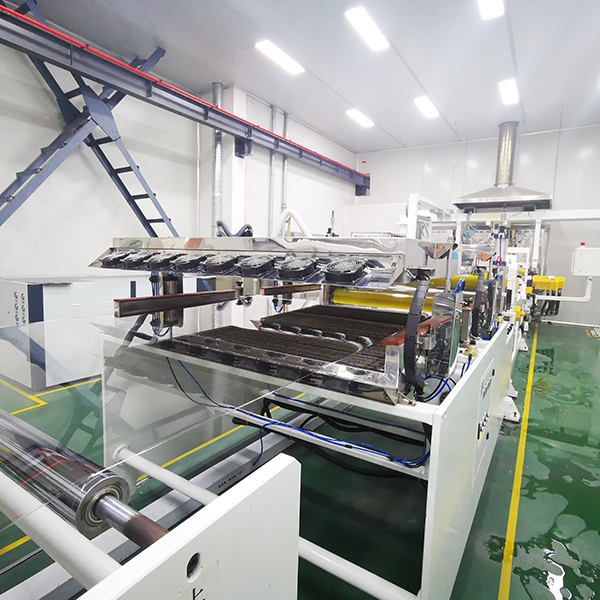
Clean Workshop

Advanced Equipment

Warehouse

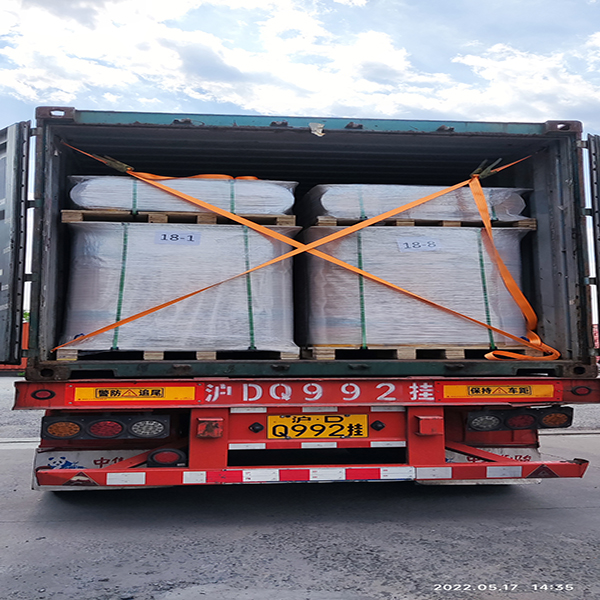
Protective Packaging

Export Loading
Why Choose Wallis Anti-Fingerprint PETG Sheets?
Factory-direct B2B supply for furniture factories, cabinet makers, panel laminators, brands, contractors, and distributors
Flexible material options including PETG, PET, and GAG in sheet or roll format
Surface customization covering matte, glossy, skin-touch, anti-fingerprint, stain-resistant, and scratch-resistant options
Sample and pilot support for appearance, cleaning, lamination, and finished-panel evaluation
Specification-based quality control for color, dimensions, surface finish, protective film, and packaging
Bulk and repeat-order capability for furniture programs and decorative panel projects
Export packaging and technical communication for international wholesale and OEM orders
Wallis works with buyers that require customized decorative surfaces, stable production, practical processing support, and reliable international delivery for furniture and interior panel applications.

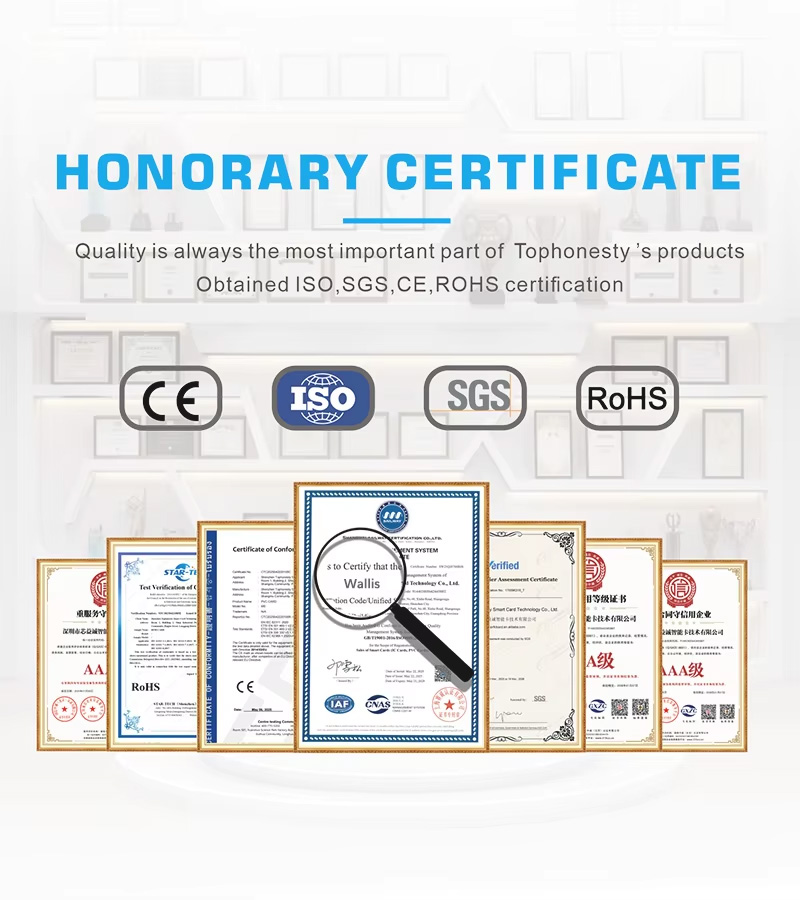
Certificates and Quality Documentation
Supporting Furniture Panel Buyers Worldwide
Wallis anti-fingerprint PETG materials are supplied for cabinet doors, wardrobes, laminated furniture boards, wall panels, retail displays, office furniture, hotel interiors, and other decorative surface projects. Customized production, export packaging, and repeat-order coordination are available for international B2B customers.

Daily Operations and Global Customer Support
Customer Feedback
Customer feedback helps prospective buyers evaluate sample communication, color and finish development, anti-fingerprint performance, packaging, delivery coordination, and product consistency before establishing a long-term supply program.
FAQ About Anti-Fingerprint PETG Furniture Sheets
What is an anti-fingerprint PETG sheet?
It is a PETG-based decorative sheet or film with a surface treatment that helps reduce the visibility of fingerprints, skin oils, smudges, and common stains. It is typically laminated to furniture and decorative panel substrates.
Does anti-fingerprint mean fingerprints never appear?
No. The finish reduces visibility and can make marks easier to clean, but results vary with color, gloss, lighting, skin oils, contact pressure, and maintenance. Evaluate the exact production color and finish before placing a bulk order.
Is anti-fingerprint treatment available on both matte and glossy PETG?
Anti-fingerprint treatment is most commonly associated with matte and skin-touch surfaces, where oil marks can otherwise be noticeable. Easy-clean and reduced-mark options for glossy surfaces can also be discussed according to the product grade.
What is the difference between matte and glossy PETG sheet?
Matte PETG creates a soft, low-reflection appearance and can provide a silk-touch effect. Glossy PETG creates stronger reflection, color depth, and a polished appearance. The correct choice depends on design, lighting, handling, and cleaning requirements.
Can PETG sheets be laminated to MDF and PVC boards?
Yes. PETG sheets can be evaluated for lamination to MDF, PVC board, particle board, plywood, and other suitable substrates. Adhesive, board condition, temperature, pressure, line speed, and cycle time should be validated before mass production.
Are anti-fingerprint PETG sheets scratch-proof?
No. Scratch-resistant options can improve resistance to light daily wear, but abrasive particles, sharp objects, and improper handling may still damage the surface. Required scratch performance should be included in the purchase specification.
How should anti-fingerprint PETG furniture panels be cleaned?
Use a clean, soft microfiber cloth with water or a mild neutral cleaner. Avoid abrasive pads, rough cloths, sharp tools, and aggressive solvents. Test unfamiliar cleaning products on an inconspicuous area first.
Can PETG-laminated panels be used in kitchens and bathrooms?
They can be used for kitchen cabinets and bathroom furniture when the substrate, adhesive, edge sealing, ventilation, installation, and cleaning methods are suitable. Long-term water immersion and unsealed panel edges should be avoided.
Can the PETG material be supplied in sheet and roll formats?
Yes. Sheet format supports flexible batch conversion, while roll format supports continuous lamination. The best option depends on equipment, panel size, line speed, material thickness, handling, and production volume.
Can Wallis customize thickness, width, color, and finish?
Yes. Wallis supports customized thickness, width, length, color, matte or glossy finish, skin-touch effect, surface treatment, protective film, labels, and packaging within production feasibility and order conditions.
What information is required for a quotation?
Provide the material preference, color or reference sample, finish, thickness, width, sheet or roll format, substrate, lamination method, estimated quantity, destination, packaging requirements, and required tests or compliance documents.
Can I request samples before bulk production?
Yes. Sample and pilot-panel evaluation are recommended for color, touch, gloss, anti-fingerprint effect, stain removal, scratch behavior, lamination, trimming, edge finishing, protective-film removal, and cleaning.
Request Anti-Fingerprint PETG Samples and Wholesale Pricing
Send Wallis your required material, color, finish, thickness, width, sheet or roll format, substrate, lamination process, estimated quantity, and delivery destination. Our team will review the sample plan, technical specification, packaging, and factory quotation for your furniture panel project.
Contact Wallis for Samples and Pricing