Anti-Scratch PETG / GAG / PET Film Laminated on MDF Decorative Panels
Wallis anti-scratch PETG / GAG / PET film for MDF lamination is developed for furniture manufacturers, decorative panel factories, cabinet producers, interior contractors, OEM brands, importers, and distributors that require a durable and visually consistent panel surface.
Laminating the film onto a properly prepared MDF substrate creates a finished decorative panel for cabinet doors, wardrobes, wall cladding, TV cabinets, drawer fronts, retail displays, office furniture, hotel casework, and other residential or commercial interiors.
High-gloss, matte, transparent, tinted, and customized opaque finishes are available. Optional surface treatments can improve resistance to light scratches, fingerprints, stains, and routine cleaning, while sheet and roll formats support different furniture-panel production methods.
Request Samples and Factory Pricing
PETG Film Laminated MDF Panel at a Glance
| Surface Material | PETG / GAG / PET film options |
| Core Substrate | MDF and other validated furniture-panel substrates |
| Visual Options | High gloss, matte, transparent, tinted, and customized opaque colors |
| Functional Options | Anti-scratch, anti-fingerprint, stain-resistant, and easy-clean treatments |
| Supply Format | Film in rolls or sheets; finished-panel requirements can be discussed |
| Buyer Support | Sample approval, lamination trials, specification review, quality control, and export packaging |
Key Features of PETG Film Laminated MDF Panels
High-Gloss and Matte Furniture Surfaces
High-gloss film creates stronger reflection, color depth, and a polished appearance for premium cabinet fronts and display furniture. Matte film provides lower reflection and a softer contemporary look for wardrobes, wall panels, office furniture, and minimalist interiors.
Transparent and Customized Color Options
Transparent or tinted film can protect and enhance a printed, colored, metallic, wood-grain, or other decorative layer below it. Customized opaque colors can be developed for furniture collections, brand programs, commercial interiors, and repeat-order projects.
Scratch-Resistant Surface Options
Optional hard-coat treatments can reduce visible marks caused by panel handling, cleaning, installation, and ordinary indoor furniture use. No decorative plastic surface is completely scratch-proof, so the test method, load, number of cycles, and acceptance criteria should be agreed before ordering.
Anti-Fingerprint, Stain-Resistant, and Easy-Clean Options
Surface treatments can help reduce visible fingerprints, oily marks, and common indoor stains. The exact production color and finish should be tested because fingerprint visibility and cleaning performance vary with gloss level, lighting, viewing angle, coating, and maintenance method.
Smooth Surface for Modern Decorative Panels
Controlled film thickness, clean lamination, and a stable MDF substrate help create a smooth panel with consistent color and reflection. Dust, dents, black points, adhesive lines, bubbles, and substrate telegraphing should be included in the visual acceptance standard.

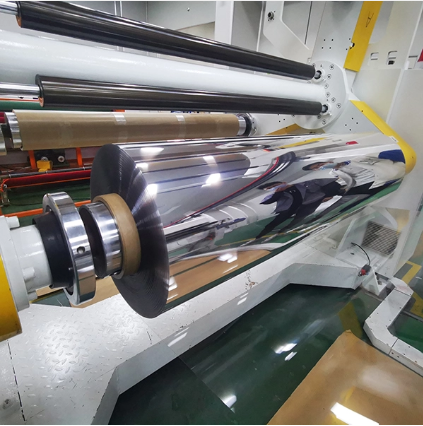
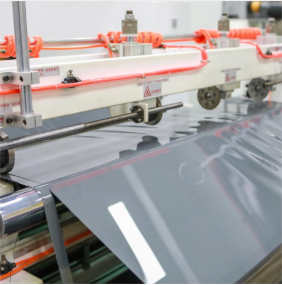
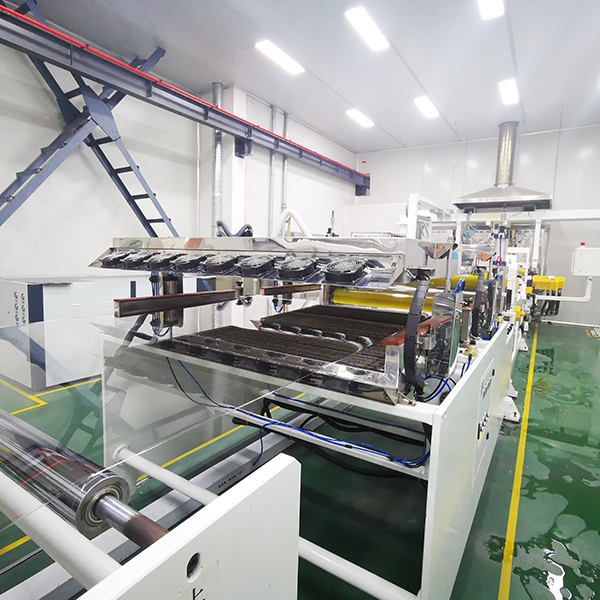
PETG Film Production Line

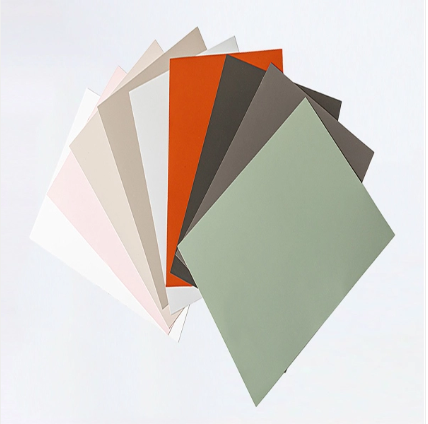
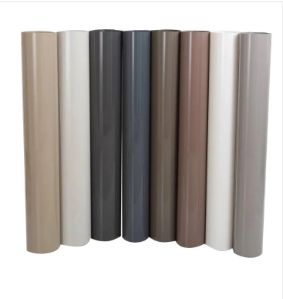
Finished Samples for Furniture Decoration
Technical Specifications
The following values are based on the original product information. Final specifications must be confirmed against the approved sample, film structure, substrate, adhesive, lamination method, and purchase agreement.
| Item | Available Specification |
| Product Name | Anti-Scratch PETG / GAG / PET Film Laminated on MDF Decorative Panels |
| Film Structure | PETG / GAG / PET film options; final layer structure subject to technical confirmation |
| Density | Approximately 1.37 g/cm³ for the stated standard grade; confirm by material structure |
| Format | Roll and sheet formats |
| Film Thickness | 0.25 mm–1.0 mm |
| Dimensions | 1220 × 2440 mm sheet option; 1250 mm and 1260 mm width options; customized sizes subject to review |
| Surface Finish | High gloss or matte with optional anti-scratch coating |
| Appearance | Transparent, tinted, or customized opaque colors |
| Surface Options | Scratch-resistant, anti-fingerprint, stain-resistant, and easy-clean treatments |
| Substrate Compatibility | MDF, PVC board, decorative board, furniture board, and other validated interior panels |
| Processing Methods | Flat lamination, hot pressing, bonding, cutting, CNC processing, and selected forming after validation |
| Applications | Furniture fronts, cabinet doors, wardrobes, wall panels, retail displays, office furniture, and hospitality interiors |
| Customization | Film structure, thickness, width, length, color, finish, coating, protective film, labels, and export packaging |
Why Laminate PETG Film onto MDF?
MDF Provides a Flat and Consistent Panel Core
Properly selected and conditioned MDF provides a smooth substrate for decorative lamination. Board density, moisture content, sanding quality, flatness, thickness tolerance, and surface cleanliness directly influence the finished panel appearance and bond strength.
PETG Film Adds the Visible Decorative Surface
PETG-family films supply the visible gloss, matte texture, transparency, tint, or color while protecting the decorative layer below. The film can help create a modern surface without relying on multiple spray-coating, drying, sanding, and polishing stages.
A Complete Panel Requires More Than the Face Film
Stable furniture panels may require a balancing layer on the reverse side, compatible edge banding, correctly selected adhesive, and controlled pressing conditions. These elements help reduce warping, visible glue lines, edge failure, moisture entry, and differences between the face and reverse surfaces.
Finished-Panel Testing Is Essential
The performance of loose film does not automatically equal the performance of the laminated MDF panel. Adhesive, pressure, heat, substrate condition, balancing layer, edge treatment, and storage can affect scratch resistance, flatness, moisture behavior, and appearance.
Surface Durability and Performance Boundaries
Scratch and Abrasion Resistance
Anti-scratch coatings are intended to reduce light scratches and abrasion from ordinary handling and cleaning. Buyers should specify whether testing uses pencil hardness, steel wool, abrasion wheels, an instrumented scratch method, or an internal visual standard.
Fingerprint and Stain Performance
Anti-fingerprint and stain-resistant finishes can reduce visible oil marks and simplify cleaning, but results vary with color, gloss, coating, light direction, contact pressure, and the contaminant. Evaluate the exact production finish rather than relying on a generic sample.
Heat, Moisture, and Chemical Exposure
Application suitability depends on the entire panel construction. Kitchens, bathrooms, counters, and commercial interiors should be tested for humidity, edge sealing, cleaners, food stains, alcohol-containing products, temperature, and contact time.
Vertical and Horizontal Applications
Cabinet fronts and wall panels experience different loads from desks, tabletops, counters, and work surfaces. Horizontal use requires additional evaluation of abrasion, heat, impact, point loading, chemicals, and prolonged object contact.

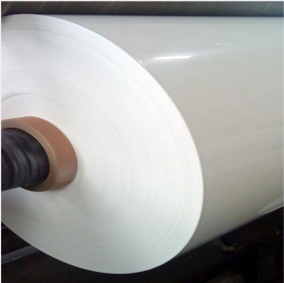
Finished PETG Sample

PETG Production Line 1

PETG Production Line 2
Recommended MDF Lamination Workflow
1. Define the Finished Panel Construction
Confirm the MDF grade, board thickness, panel dimensions, face film, reverse balancing layer, edge banding, finished component, expected exposure, surface finish, and required performance tests.
2. Prepare and Condition the MDF
Use flat, clean, dry, and properly sanded MDF with stable moisture content. Remove dust, oil, loose fibers, dents, and surface contamination before applying adhesive or entering the lamination line.
3. Select a Compatible Adhesive
Adhesive selection depends on the reverse surface of the film, MDF properties, press type, temperature, pressure, line speed, open time, cure conditions, humidity, and end-use requirements. Adhesion should be verified after conditioning and aging.
4. Approve the Physical Film and Panel Sample
Check the exact production color, gloss, matte texture, transparency, coating, protective film, thickness, MDF appearance, reverse layer, and edge banding under factory, showroom, and final-installation lighting.
5. Run a Pilot Lamination Batch
Verify bond strength, bubbles, adhesive lines, surface flatness, gloss uniformity, color, trimming, edge adhesion, protective-film removal, panel balance, scratch behavior, stain removal, and cleaning.
6. Condition Panels Before Final Inspection
Allow the adhesive and panel to stabilize according to the adhesive supplier's instructions. Inspect panel flatness, bond, surface appearance, edge quality, dimensions, and performance after the agreed conditioning period.
Discuss Your MDF Lamination Process
Application Areas for PETG Laminated MDF Panels
Kitchen Cabinets and Wardrobes
High-gloss and matte PETG laminated MDF can be used for cabinet doors, wardrobe fronts, drawer faces, storage units, visible side panels, and coordinated furniture collections. Edge sealing and moisture exposure should be considered during design.
Interior Wall Cladding
Decorative panels can be used for feature walls, TV backgrounds, hotel interiors, office reception areas, retail spaces, apartment interiors, and coordinated wall-and-furniture systems.
Retail Displays and Shopfitting
Retail fixtures, display units, counters, shelves, product showcases, branded panels, and exhibition furniture benefit from customizable colors and an easy-clean decorative surface.
Office and Hospitality Furniture
PETG laminated panels can be specified for desks, reception furniture, hotel casework, restaurant interiors, office storage, partitions, apartment furniture, and other frequently handled interior components.
Selected Tabletops and Counters
Horizontal applications require a suitable hard-coat grade and finished-panel testing. Evaluate abrasion, point loading, heat, chemicals, impact, edge exposure, cleaning products, and long-term object contact before approval.

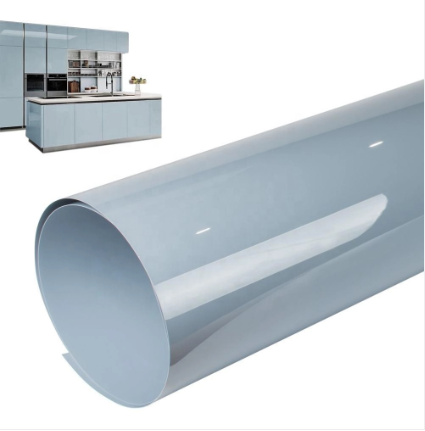
Glossy PETG Kitchen Cabinet

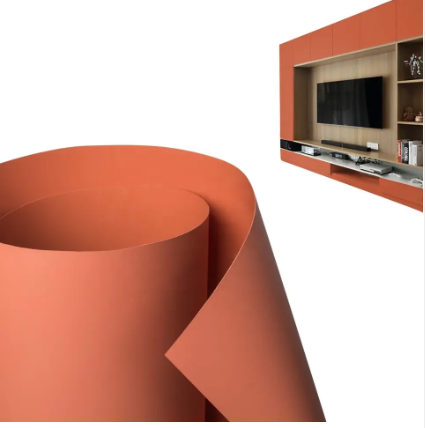
Matte PETG Living Room Furniture
High-Gloss, Matte, Transparent, or Opaque: Selection Guide
| Surface Option | Visual Effect | Typical Applications | Key Sample Checks |
| High Gloss | Strong reflection, color depth, and polished appearance | Cabinet fronts, TV cabinets, displays, and premium furniture | Reflection quality, flatness, dust, scratches, glue lines, and color consistency |
| Matte | Low reflection, soft appearance, and modern styling | Wardrobes, offices, wall panels, and minimalist furniture | Gloss uniformity, touch, fingerprint visibility, stain removal, and scratches |
| Transparent / Tinted | Shows and protects the print, color, grain, or metallic layer below | Layered decorative panels, branded fixtures, and special-effect furniture | Haze, tint, color shift, clarity, inclusions, and adhesive visibility |
| Opaque Color | Uniform solid-color decorative surface | Furniture collections, cabinet programs, and commercial projects | Color tolerance, batch consistency, edge matching, gloss, and surface defects |
PETG Laminated MDF Compared with Other Decorative Panels
Material selection should be based on the required appearance, durability, processing method, project standard, volume, and budget. The table below is a general sourcing guide; final decisions should use physical samples and finished-panel tests.
| Selection Factor | PETG Film on MDF | High-Pressure Laminate | Acrylic-Faced MDF | Painted MDF |
| Appearance | High gloss, matte, transparent, tint, and custom colors | Wide decor and texture range | Strong clarity and mirror-like gloss options | Broad color and sheen customization |
| Production | Roll or sheet lamination with optional forming | Sheet bonding and panel pressing | Rigid sheet lamination and machining | Coating, drying or curing, sanding, and finishing stages |
| Surface Resistance | Depends on coating, thickness, film structure, and test method | Depends on laminate grade and surface structure | Depends on acrylic grade and hard-coat system | Depends on paint chemistry, thickness, curing, and substrate preparation |
| Design Flexibility | Custom film, transparent overlays, tint, gloss, matte, and selected forming | Extensive prints, textures, and matching components | Premium flat fronts and selected thermoformed components | Custom colors and seamless sprayed surfaces |
Customization Options for Furniture and Panel Manufacturers
PETG, GAG, PET, and project-specific film structures
High-gloss, matte, transparent, tinted, and opaque-color finishes
Film thickness from 0.25 mm to 1.0 mm within production feasibility
1220 × 2440 mm sheet format and 1250 mm or 1260 mm width options
Roll length, sheet length, slit width, and cut-size customization
Anti-scratch, anti-fingerprint, stain-resistant, and easy-clean treatments
Protective film for lamination, cutting, storage, shipping, and installation
OEM labels, neutral packaging, export pallets, and shipping marks
Samples, pilot lamination, specification confirmation, and repeat-order control
Sustainability and Material Considerations
PETG and PET are recyclable thermoplastic materials, but a finished PETG-laminated MDF panel is a multi-material product. Actual recyclability depends on local collection systems, adhesive, coating, balancing layer, edge banding, MDF composition, and whether the materials can be separated.
Buyers with environmental targets should define requirements for recycled content, formaldehyde emissions from the MDF, adhesive emissions, restricted substances, low-VOC performance, packaging, and end-of-life treatment before sample approval.
Quality Control for PETG Film and Laminated Panels
Approved film structure, color, gloss, matte texture, transparency, and coating sample
Film thickness, width, length, winding, sheet flatness, and dimensional checks
Visual inspection for scratches, dents, black points, bubbles, coating lines, contamination, and inclusions
MDF density, moisture, thickness, sanding quality, surface cleanliness, and flatness review
Bond strength, bubbles, adhesive lines, panel balance, edges, and protective-film removal
Scratch, abrasion, stain, chemical, moisture, and heat tests when included in the purchase specification
Finished-panel cutting, drilling, CNC machining, edge banding, and assembly trials when required
Packaging, pallet, quantity, label, and shipment-mark confirmation
Workshop and Export Packaging

Clean Workshop

Advanced Equipment

Warehouse

Protective Roll Packaging

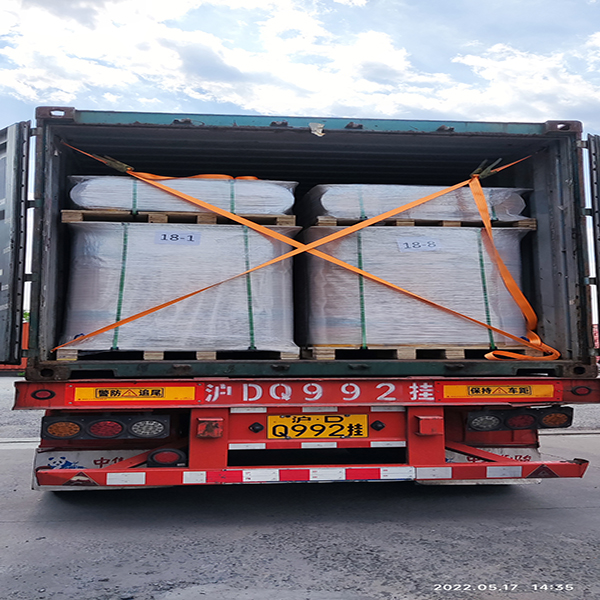
Safe Export Loading
Why Choose Wallis PETG Film for MDF Lamination?
Factory-direct B2B supply for furniture factories, panel laminators, contractors, brands, importers, and distributors
Flexible material selection covering PETG, GAG, PET, roll, sheet, clear, tinted, matte, gloss, and opaque options
Application-focused support for MDF preparation, adhesive selection, lamination trials, panel balance, and edge treatment
Sample and pilot validation for color, finish, bonding, scratch resistance, cleaning, and finished-panel appearance
Specification-based quality control for film dimensions, surface quality, MDF condition, lamination, and packaging
Bulk and repeat-order capability for furniture collections, decorative panel programs, and commercial projects
Export packaging and technical communication for international wholesale and OEM customers
FAQ About PETG Film Laminated MDF Panels
What is a PETG film laminated MDF panel?
It is a decorative panel made by bonding PETG, GAG, PET, or a related furniture film to an MDF substrate. The film provides the visible finish and surface functions, while the MDF provides the structural panel core.
Is the product supplied as film or as a finished MDF panel?
The page primarily specifies film in roll and sheet formats for MDF lamination. Finished-panel supply or processing support should be confirmed with Wallis according to the MDF grade, dimensions, balancing layer, edge requirements, quantity, and destination.
Can PETG film be laminated to MDF, PVC board, or particle board?
Yes, these substrates can be evaluated for lamination. Compatibility depends on the film reverse surface, board condition, adhesive, temperature, pressure, line speed, cycle time, panel construction, and required end-use performance.
Are PETG laminated MDF panels completely scratch-proof?
No. Hard-coat treatments can improve resistance to light scratches and abrasion, but sharp tools, abrasive particles, excessive loads, and improper cleaning can still damage the surface.
Are these panels suitable for kitchen and bathroom furniture?
They can be used for kitchen cabinets and bathroom furniture when the MDF grade, adhesive, balancing layer, edge sealing, ventilation, installation, and cleaning method are suitable. Standard MDF panels are not intended for water immersion.
Can the panels be used outdoors?
The standard product should be treated as an indoor decorative material. Outdoor use requires specific evaluation of the MDF core, adhesive, edges, UV exposure, rain, humidity, temperature cycling, color stability, and warranty requirements.
Are fire-retardant options available?
Standard PETG film and standard MDF should not be assumed to meet a fire rating. Projects with fire requirements must define the applicable standard, classification, substrate, adhesive, edge construction, test report, and finished-panel assembly before ordering.
Which surface finishes are available?
Available options include high gloss, matte, transparent, tinted, and customized opaque colors. Anti-scratch, anti-fingerprint, stain-resistant, and easy-clean surface treatments can also be discussed.
Can PETG film be used for curved furniture panels?
Selected film structures can support hot bending, vacuum pressing, or thermoforming. Coating flexibility, thickness, heating, radius, draw depth, mold design, protective film, and cooling must be validated in a forming trial.
How should PETG laminated furniture panels be cleaned?
Use a clean microfiber cloth with water or a mild neutral cleaner. Avoid abrasive pads, dirty cloths, sharp tools, and aggressive solvents. Test unfamiliar cleaning products on an inconspicuous area first.
Can PETG laminated MDF panels be recycled?
PETG and PET films are recyclable materials, but the finished panel combines film, adhesive, MDF, reverse layers, and edge banding. Recycling feasibility depends on local infrastructure and whether these materials can be separated.
What information is required for a quotation?
Provide the film structure, color or reference sample, finish, thickness, width, roll or sheet format, MDF grade, adhesive, lamination method, required panel size, quantity, destination, packaging, and performance tests.
Can I request samples before bulk production?
Yes. Sample and pilot-panel evaluation are recommended for color, gloss, matte texture, transparency, scratch resistance, fingerprint visibility, stain removal, bonding, edge quality, panel flatness, and cleaning.
Request PETG Film Samples and MDF Lamination Pricing
Send Wallis your required film structure, surface finish, color, thickness, dimensions, MDF substrate, lamination method, finished-panel application, test requirements, estimated quantity, and delivery destination. Our team will review sample options, technical specifications, packaging, and factory pricing.
Contact Wallis for Samples and Pricing