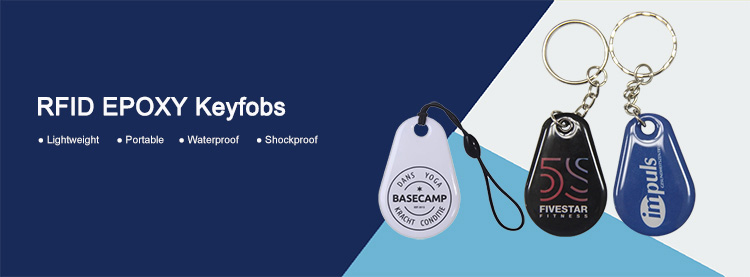
Custom Waterproof RFID Epoxy Keyfobs & NFC Epoxy Tags
Custom RFID epoxy keyfobs and NFC epoxy tags are compact, durable contactless identification products designed for access control, membership management, events, asset identification and NFC applications. A protective epoxy resin surface helps protect the printed design while creating a smooth, premium appearance suitable for frequent daily use.
Wallis supports multiple RFID frequency options including 125 kHz LF, 13.56 MHz HF/NFC and 860–960 MHz UHF, together with chip options such as T5577, TK4100, EM4200, F08, NTAG213, NTAG215, NTAG216 and Alien H3. Size, shape, color, logo, QR code, serial number and data encoding can be customized according to your project requirements.
Waterproof configurations are available for environments such as hotels, offices, apartments, gyms, swimming pools, schools, membership systems and outdoor identification projects. Final waterproof rating, chip configuration and read performance depend on the selected design.
RFID Epoxy Keyfob Product Specifications
Choose the RFID frequency, chip, dimensions, printing process and accessories according to your reader system and application. Because RFID performance depends on the selected chip, antenna, reader and environment, final technical specifications should be confirmed before production.
| Parameter | Details |
| Product Name | RFID Epoxy Keyfob / NFC Epoxy Tag |
| Material | PVC / PET + Epoxy Resin |
| Frequency | 125 kHz / 13.56 MHz / 860–960 MHz |
| Chip Options | T5577, TK4100, EM4200, F08, NTAG213 / NTAG215 / NTAG216, Alien H3 |
| Protocol | ISO/IEC 14443A / ISO/IEC 15693 / ISO/IEC 18000, depending on selected chip |
| Size | Customized; typical size range 30–50 mm |
| Thickness | 3–6 mm |
| Printing | Silk Screen / Offset Printing / Hot Stamping |
| Personalization | Custom Logo, QR Code, Barcode, UID / Serial Number and Data Encoding |
| Working Temperature | -35°C to +75°C |
| Read Distance | Typically close-range for LF/HF/NFC; actual range varies by chip, antenna, reader and UHF configuration |
| Write Endurance | Up to 100,000 write cycles for supported rewritable chips; chip-dependent |
| Data Retention | Up to 10 years for supported chips; chip-dependent |
| Waterproof Level | IP65–IP68 depending on product design and construction |
| Accessories | Key Ring, Strap, Hole Punch |
Key Features & Advantages of RFID Epoxy Keyfobs
Waterproof Epoxy Protection
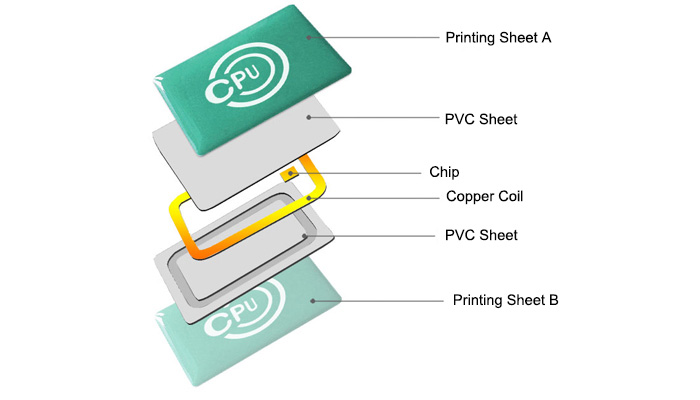
The PVC or PET printed layer is protected by an epoxy resin surface that helps resist water, moisture, scratches and everyday wear. Waterproof grades from IP65 to IP68 can be supplied depending on the keyfob structure and customized design.
This makes waterproof RFID epoxy keyfobs suitable for applications such as gyms, swimming pools, hotels, outdoor membership systems and access-control environments where conventional printed tags may experience frequent exposure to moisture.
Durable Surface for Frequent Daily Use
The epoxy coating creates a smooth protective surface over the printed artwork and helps improve resistance to scratching, moisture and regular handling. The rigid keyfob format is suitable for keys, lanyards, bags and other portable identification applications.
Full OEM & ODM Customization
Wallis supports customized shapes, dimensions, colors, artwork and accessories for different RFID and NFC projects. Round, oval, rectangular and custom-shaped designs can be discussed according to your branding requirements.
Custom company logo and full-color artwork
Silk screen, offset printing and hot stamping
QR code, barcode and serial-number printing
UID or variable-number personalization
Customized RFID / NFC data encoding
Custom shape, size, color and surface appearance
Key rings, straps and hanging-hole options
Multi-Frequency RFID Compatibility
RFID epoxy keyfobs can be configured with different frequency ranges to match different identification systems. Available options include 125 kHz LF, 13.56 MHz HF/NFC and 860–960 MHz UHF. The correct option should be selected according to the existing reader, required protocol, read range and application.
Passive Contactless Operation
Standard passive RFID and NFC keyfobs do not require an internal battery. The tag receives operating energy from the compatible reader or NFC device, supporting convenient contactless identification without regular battery replacement.
RFID Frequency & Chip Options
Choosing the correct RFID chip is critical for compatibility with your existing reader or application. LF, HF/NFC and UHF systems operate differently, so buyers should confirm the required frequency and protocol before placing a customized order.
125 kHz LF RFID Keyfobs
125 kHz low-frequency RFID keyfobs are commonly selected for short-range identification and access-control projects. Available chip options include T5577, TK4100 and EM4200. Compatibility should always be checked against the target reader or access-control system.
13.56 MHz HF / NFC Epoxy Tags
13.56 MHz options include NFC-compatible chips such as NTAG213, NTAG215 and NTAG216. They are suitable for applications including digital information sharing, membership identification, promotional interaction and other short-range NFC projects.
NTAG213, NTAG215 and NTAG216 provide different user-memory capacities, so the best chip depends on how much information or NDEF data must be stored.
860–960 MHz UHF RFID Tags
UHF RFID configurations such as Alien H3 can be considered for projects requiring UHF reader compatibility. Actual read distance depends strongly on antenna dimensions, keyfob construction, reader power and installation environment, so the required reading range should be specified when requesting a quotation.
What Is NFC and How Does an NFC Epoxy Tag Work?
NFC stands for Near Field Communication. It is a short-range contactless communication technology operating at 13.56 MHz. An NFC epoxy tag contains an NFC chip and antenna protected within the finished tag structure.
When a compatible NFC-enabled smartphone or reader is brought close to the tag, the device can read the programmed information. Depending on the chip and encoding, NFC tags can be configured for URLs, contact information, identification data, digital content, membership interaction and other contactless applications.
Smartphone compatibility applies to suitable 13.56 MHz NFC chips and depends on the smartphone model, operating system and tag configuration. LF 125 kHz and most UHF tags are not read directly by standard smartphone NFC functions.
Custom Printing, Encoding & Personalization
B2B RFID projects often require more than a standard blank keyfob. Wallis can customize the physical appearance and data configuration so that each RFID epoxy keyfob matches your branding, reader system and deployment requirements.
Custom Logo & Full-Color Graphics
Corporate logos, brand colors, text and graphic artwork can be printed before the epoxy finishing process. This makes the keyfob suitable for hotels, gyms, clubs, schools, events and branded membership programs.
QR Codes, Barcodes & Variable Numbers
QR codes, barcodes, UID references, serial numbers and other variable information can be added when the project requires visible identification in addition to RFID or NFC functionality.
RFID & NFC Data Encoding
Data encoding can be discussed according to the selected chip and application. When requesting programmed tags, provide the required data format, numbering rules, URL, identifier or other encoding requirements so compatibility can be confirmed before production.
Applications of Waterproof RFID & NFC Epoxy Keyfobs
RFID epoxy keyfobs are used across access control, customer identification, membership, events and tracking applications. Chip selection should be matched to the reader infrastructure and required operating environment.
Office, Hotel & Apartment Access Control
RFID keyfobs provide a compact alternative to traditional cards for compatible door-access and identification systems. Custom colors, logos and numbering can also help distinguish departments, buildings or user groups.
Swimming Pools, Gyms & Fitness Clubs
Waterproof epoxy designs are useful in environments where tags may regularly encounter moisture. They can be customized for membership identification, locker systems or compatible facility-access applications.
Events, Ticketing & Membership Programs
Customized RFID or NFC keyfobs can combine digital identification with branded graphics for events, clubs, loyalty programs and membership systems.
Schools & Campus Identification
RFID keyfobs can be configured for compatible school or campus identification systems, with optional logo printing, colors, serial numbers and encoding for different user groups.
Asset & Inventory Identification
Selected RFID configurations can also support identification or tracking workflows for tools, equipment or reusable assets. The frequency and form factor should be selected according to the required reader system and operating conditions.
How to Choose the Right RFID Epoxy Keyfob
1. Confirm Your Reader Frequency
First confirm whether your existing system uses 125 kHz LF, 13.56 MHz HF/NFC or 860–960 MHz UHF. Frequency mismatch is one of the most important compatibility issues in RFID sourcing.
2. Confirm the Required Chip or Protocol
If your reader or system already specifies a chip or protocol, include that information with your inquiry. For replacement projects, providing an existing sample or reader model can also help determine the appropriate option.
3. Select Size, Shape & Waterproof Requirement
Tell us whether the keyfob will be used indoors, outdoors or in wet environments. Also provide your preferred size, shape, hole position, key ring or strap requirement.
4. Send Your Logo & Personalization Requirements
Provide your logo artwork together with any required QR code, barcode, serial number, UID reference or data encoding instructions.
5. Provide Quantity for Accurate Quotation
MOQ and unit pricing depend on chip type, customization, printing, encoding and order quantity. Provide the expected quantity so Wallis can evaluate the appropriate production solution and quotation.
Why Choose Wallis RFID Epoxy Keyfobs?
Wallis provides customized RFID and card-related products for B2B customers requiring different materials, chips, printing and finished-product configurations. Our RFID epoxy keyfobs can be customized according to branding, access-control, identification and contactless application requirements.
Multiple RFID Chip Options
LF, HF/NFC and UHF configurations are available, allowing buyers to select a chip according to their existing reader system and application.
OEM & ODM Customization
Customize the shape, size, graphics, color, printing, numbering, encoding and accessories to match your brand and deployment requirements.
Quality Inspection for Bulk Orders
Product appearance, RFID functionality and customized requirements can be checked as part of the production and quality-control process before shipment.
Support for Wholesale & Project Orders
Wallis supports customized bulk projects for distributors, access-control companies, system integrators, membership programs, promotional companies and other commercial buyers.
Customer Feedback
Customer feedback helps demonstrate our experience supporting customized RFID, NFC and card-related projects for international buyers.
FAQ:
Can I customize the logo, shape and color of RFID epoxy keyfobs?
Yes. Wallis supports customized logos, graphics, colors, sizes and shapes. QR codes, barcodes, serial numbers, UID references and data encoding can also be discussed according to your project.
Which RFID frequencies are available?
Available options include 125 kHz LF, 13.56 MHz HF/NFC and 860–960 MHz UHF. The correct frequency depends on your reader system, protocol, required read range and application.
What RFID and NFC chips are available?
Available options include T5577, TK4100, EM4200, F08, NTAG213, NTAG215, NTAG216 and Alien H3. Additional chip requirements can be discussed according to your reader system.
Are NFC epoxy keyfobs compatible with smartphones?
NFC versions using compatible 13.56 MHz chips such as NTAG213, NTAG215 or NTAG216 can work with many NFC-enabled smartphones. Actual compatibility depends on the phone model, operating system, chip and programmed data.
Are all 125 kHz RFID keyfobs readable by smartphones?
No. Standard smartphone NFC normally operates at 13.56 MHz and does not directly read conventional 125 kHz LF RFID keyfobs. Choose a 13.56 MHz NFC-compatible chip if smartphone interaction is required.
Are RFID epoxy keyfobs waterproof?
Waterproof configurations are available. The current product range can be designed for IP65–IP68 protection depending on the construction and project requirements. Confirm the required waterproof rating when requesting a quotation.
What is the read distance of an RFID epoxy keyfob?
Read distance depends on the RFID frequency, chip, antenna size, reader performance and operating environment. LF and HF/NFC keyfobs are generally designed for close-range interaction, while UHF performance depends strongly on the final antenna and keyfob design.
Can you encode NFC URLs or RFID data before shipment?
Yes, encoding requirements can be discussed according to the selected chip. Provide the required URL, identifier, numbering rule or data format when submitting your project details.
Can you print QR codes, serial numbers or UID numbers?
Yes. Visible personalization can include QR codes, barcodes, serial numbers, UID references, text and other variable information according to your production file and project requirements.
What is the minimum order quantity for custom RFID epoxy keyfobs?
MOQ depends on the selected chip, dimensions, printing, customized shape, encoding and other production requirements. Contact Wallis with your quantity and specifications for project-specific MOQ and pricing.
What information should I provide for an RFID keyfob quotation?
Please provide the required quantity, frequency or chip model, dimensions, shape, logo artwork, waterproof requirement, printing process, accessories and any encoding or numbering requirements. If you are unsure about the chip, provide your reader model or current tag specification.
Start Your Custom RFID Epoxy Keyfob Project
Looking for a custom waterproof RFID epoxy keyfob, NFC epoxy tag or branded RFID keychain? Send Wallis your quantity, chip or frequency, dimensions, logo artwork, waterproof requirement and encoding needs. Our team can review your specifications and provide a customized solution for your project.