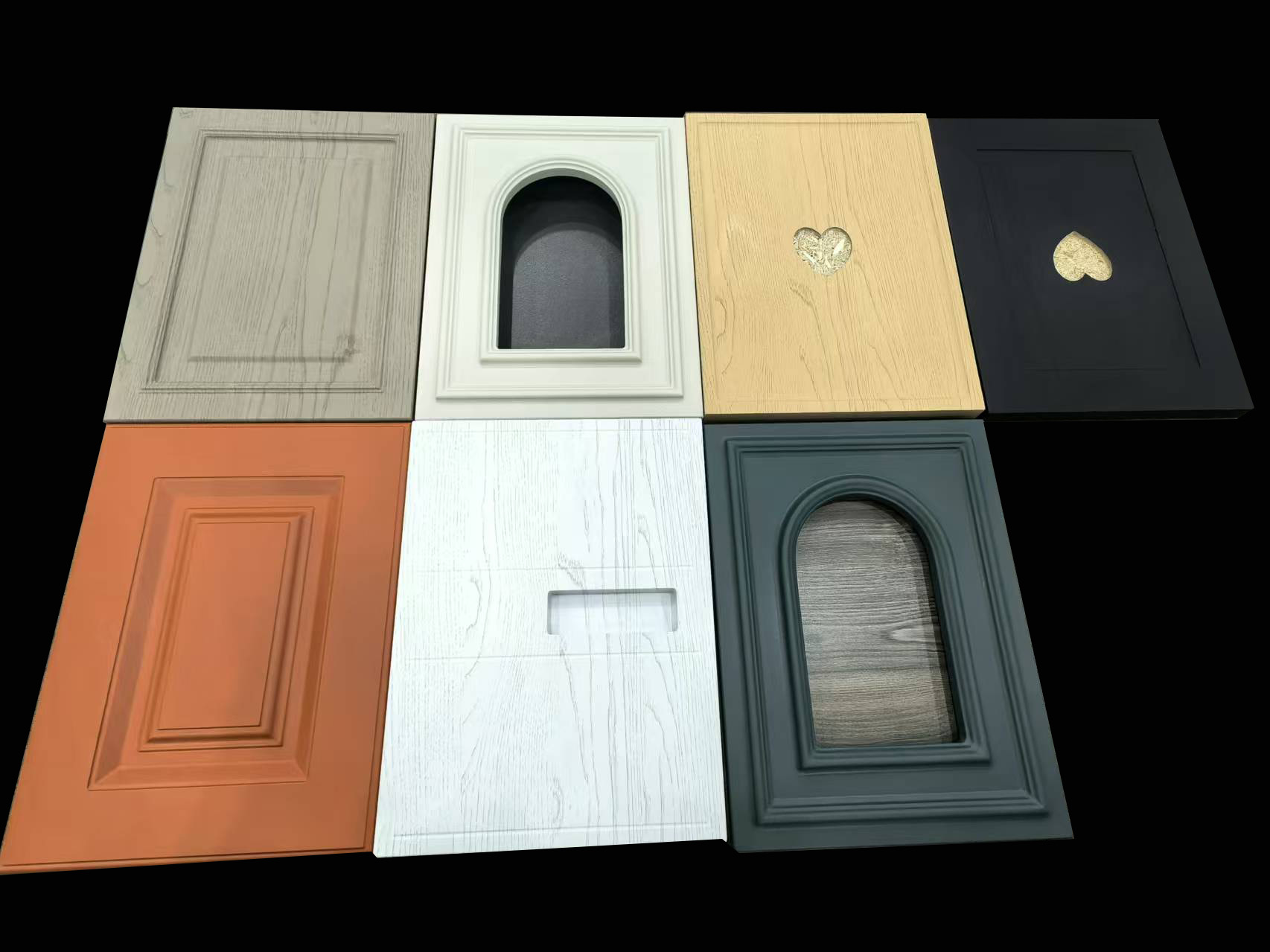
Wallis -PETG Sheet
Wallis
| Color: | |
|---|---|
| Thickness: | |
| Advantage: | |
| Application: | |
| Availability: | |
| Quantity: | |
Wallis different colored PET sheet for door panel blister and 3D furniture board lamination is developed for door manufacturers, cabinet factories, MDF board laminators, wardrobe manufacturers, decorative panel producers, furniture brands, and interior material distributors that require customizable colors with a durable and easy-to-maintain decorative surface.
With customizable thickness from 0.25–0.8 mm, scratch-resistant performance, anti-fingerprint properties, and flexible decorative color options, the PET sheet is suitable for door panels, shaped furniture fronts, 3D furniture boards, cabinet doors, wardrobes, wall panels, decorative boards, retail furniture, and customized interior surfaces.
For professional B2B projects, Wallis can support different colors, surface effects, thicknesses, sizes, and project-specific requirements according to the customer's substrate, furniture design, forming or lamination process, production equipment, and target market.
Request PET Sheet Samples & Quote

The following overview allows furniture factories, door manufacturers, MDF laminators, decorative board suppliers, and distributors to quickly evaluate the product. Customized requirements can be discussed according to the intended forming process and finished panel design.
| Product Name | Different Colored PET Sheet for Door Panel & 3D Furniture Lamination |
| Material | PET-Based Decorative Sheet |
| Thickness | 0.25–0.8 mm, Customized |
| Color | Different Colors / Customized Colors |
| Surface Features | Scratch Resistance / Anti-Fingerprint |
| Surface Options | Solid Color, Glossy, Matte, Metallic and Other Customized Decorative Effects |
| Main Processing | Door Panel Blister Forming / 3D Furniture Board Lamination |
| Typical Substrate | MDF and Compatible Furniture Boards |
| Applications | Door Panels, Cabinet Doors, Wardrobes, 3D Furniture Boards, Wall Panels and Decorative Panels |
| Customization | Color, Thickness, Size, Surface Finish and Project Requirements |
| Target Buyers | Door Factories, Furniture Manufacturers, MDF Laminators, Cabinet Factories and Distributors |
Send Your Required Specifications
Colored PET sheet is a thermoplastic decorative surface material used to add color, surface protection, and visual value to furniture boards and door panels. Rather than relying only on painted surfaces or traditional decorative laminates, manufacturers can apply PET-based sheets to compatible substrates to produce modern furniture surfaces with consistent color and finish.
PET materials are particularly useful where manufacturers need clean decorative surfaces, repeatable batch appearance, easy maintenance, and the ability to develop different colors or surface effects for multiple furniture collections.
PET-based decorative sheets can be produced in different material structures depending on the application. When shaped surfaces or more demanding forming processes are involved, the appropriate PET-based material should be selected according to the forming depth, radius, substrate, equipment, adhesive system, and finished panel requirements.
Buyers should therefore provide detailed information about whether the sheet will be used for flat lamination, door panel blister forming, shallow 3D surfaces, deeper profiles, or other furniture processing before confirming the final specification.
Color selection is one of the main advantages of decorative PET sheets. Furniture manufacturers can develop multiple product collections using different tones and surface effects while maintaining consistent material and production concepts.
White, black, grey, beige, brown, cream, and other neutral colors are suitable for kitchen cabinets, wardrobes, interior doors, office furniture, storage systems, and modern residential furniture.
Furniture brands can also develop stronger colors for children's furniture, retail interiors, display furniture, branded spaces, customized cabinets, and statement furniture collections.
Metallic colors such as silver, gold, champagne, bronze, or darker metal-inspired tones can provide a more premium appearance for cabinet doors, wardrobes, display panels, commercial furniture, and luxury interior projects.
Glossy finishes provide stronger light reflection and visual depth, while matte surfaces create a softer and more understated appearance. The appropriate finish can be selected according to the furniture collection and end-use environment.
For OEM furniture projects, buyers can provide a color reference, physical sample, image, furniture design, or project specification to discuss customized color development and production feasibility.
Decorative door panels often include grooves, routed designs, raised profiles, recessed areas, curved transitions, and other three-dimensional details. A suitable decorative sheet must therefore provide the processing performance needed to follow the designed panel geometry while maintaining an attractive finished surface.
When the correct material structure and forming parameters are selected, PET-based decorative sheets can be evaluated for shaped furniture fronts and door panels where the surface must follow contours and profile details.
Using the same decorative color across cabinet doors, drawer fronts, wardrobes, wall panels, and other furniture components helps manufacturers create a coordinated product family and maintain more consistent appearance across batch production.
Decorative sheet processing gives manufacturers another surface-finishing route for suitable furniture designs, particularly where factories want to use pre-colored decorative materials rather than relying exclusively on multi-stage paint finishing.
Three-dimensional furniture panels can include routed patterns, decorative grooves, curved areas, shallow relief structures, and shaped fronts. Colored PET sheet can be evaluated as a decorative layer for these applications when the selected material and processing conditions are compatible with the panel geometry.
MDF is widely used for routed and shaped furniture fronts because it can be machined into decorative profiles. A suitable PET-based decorative sheet can then provide the required color and surface finish for the completed furniture panel.
Manufacturers can combine custom panel designs with different PET colors and finishes to develop differentiated kitchen cabinets, wardrobes, interior doors, bathroom furniture, decorative wall systems, and customized furniture collections.
The scratch-resistant surface helps furniture panels maintain a cleaner appearance during handling, assembly, transportation, installation, and normal indoor use.
Anti-fingerprint properties help reduce visible handling marks on frequently touched surfaces such as cabinet doors, wardrobes, drawers, interior doors, and furniture fronts.
Different colors allow furniture manufacturers to create multiple collections for residential, commercial, hospitality, office, retail, and customized project markets.
PET decorative surfaces provide a clean appearance that can enhance cabinet doors, wardrobes, interior doors, wall panels, and other visible furniture components.
The smooth surface can be maintained using appropriate mild cleaning methods, helping furniture remain presentable in residential and commercial indoor environments.
Wallis supports customized thickness within the applicable 0.25–0.8 mm range, allowing buyers to discuss suitable specifications according to forming requirements, board design, equipment, and finished furniture applications.
Processing conditions should be determined according to the PET sheet structure, panel substrate, profile depth, corner radius, adhesive system, production equipment, pressure, temperature, and required finished appearance. Testing before commercial production is recommended.
MDF or other compatible furniture boards should be clean, dry, smooth, and free from dust, loose fibers, oil, dents, or other defects that may affect the finished decorative surface.
Deep grooves, sharp corners, narrow channels, and complex profiles place greater demands on forming performance. Buyers should provide panel drawings or samples when evaluating PET sheet for complicated 3D surfaces.
Adhesive selection should be based on the PET sheet, MDF or furniture board, forming process, production equipment, and required final bonding performance.
The decorative PET sheet is formed or laminated onto the prepared panel under appropriate process conditions. Temperature, pressure, forming time, and cooling should be optimized for the selected material and panel design.
Finished panels should be checked for bubbles, wrinkles, lifting, whitening, uneven stretching, color variation, scratches, edge bonding, corner coverage, and overall surface consistency.
Discuss Your 3D Lamination Process
Colored PET sheets can be evaluated for routed, shaped, and decorative interior door panels where manufacturers need consistent colors and clean surface finishes.
Glossy, matte, neutral, dark, bright, or customized colors can be used for cabinet fronts, drawer panels, side panels, and coordinated kitchen furniture collections.
PET decorative sheets can provide smooth colored surfaces for wardrobe doors, closet panels, storage furniture, dressing-room systems, and customized bedroom furniture.
Shaped furniture fronts with routed grooves, recessed designs, or other three-dimensional details can be developed with suitable PET-based decorative sheet structures and properly controlled forming processes.
Colored PET surfaces can be considered for bathroom cabinets and vanity furniture when combined with appropriate substrates, edge sealing, adhesives, and indoor-use construction.
PET laminated boards can also create coordinated wall surfaces for residential interiors, hotels, offices, retail spaces, apartments, restaurants, and commercial projects.
Custom colors are particularly useful for branded display furniture, counters, shelving, shopfitting, exhibition furniture, hotel furniture, and other commercial applications requiring consistent visual identity.
No single decorative material is best for every furniture product. Manufacturers should compare forming requirements, appearance, processing equipment, substrate design, production volume, surface performance, and cost before selecting the final material.
| Material | Typical Characteristics | Furniture Production Consideration |
|---|---|---|
| Colored PET Sheet | Clean decorative surface, customized colors, scratch-resistant and anti-fingerprint options | Suitable for modern decorative furniture and compatible shaped-panel applications |
| PVC Decorative Film | Flexible decorative film with broad colors and established wrapping applications | Often used for membrane pressing, wrapping and profiled furniture surfaces |
| Melamine | Widely used decorative board surface with efficient panel production | Common for flat furniture panels and high-volume board manufacturing |
| Acrylic | Rigid decorative surface known for high gloss and visual depth | Often selected for premium flat or processed furniture fronts |
| Painted Panel | Custom paint color with different gloss and finishing possibilities | Requires coating, drying, finishing and associated process control |
Furniture brands and panel manufacturers often need more than a standard stock color. Wallis can discuss customized PET sheet solutions according to product positioning, furniture style, equipment, substrate, order volume, and target market.
Buyers can provide color samples, design references, photos, or project specifications when discussing customized color development.
Thickness from 0.25–0.8 mm can be customized according to product and production requirements. The most suitable option should be evaluated based on forming depth, panel geometry, equipment, and end use.
Different gloss levels and decorative effects can be discussed to match modern, minimalist, luxury, commercial, or customized furniture collections.
Provide the required width, length, production format, or equipment limitation when requesting a quotation so the appropriate manufacturing specification can be evaluated.
Furniture factories can provide a finished panel sample, drawing, decorative reference, or production requirement to discuss project-specific PET sheet development and sample testing.
Request Custom PET Sheet Options
The appearance of a sample alone is not enough to determine whether a decorative PET sheet is suitable for a production line. Professional buyers should evaluate the material together with the actual panel design and forming process.
| Buyer Checkpoint | Why It Matters |
|---|---|
| Panel Profile Depth | Deeper profiles generally place greater demands on material forming behavior. |
| Corner Radius | Sharp corners and narrow grooves can affect stretching and surface appearance. |
| PET Sheet Thickness | Thickness should be matched with forming requirements and finished panel design. |
| Substrate | MDF density, machining quality and surface preparation can affect lamination results. |
| Adhesive System | The adhesive must be compatible with both the decorative sheet and substrate. |
| Production Equipment | Heating, forming, pressing and cooling conditions vary between production lines. |
| Surface Requirement | Gloss, matte appearance, fingerprints, scratches and color consistency affect material selection. |
This product is primarily intended for professional buyers that need colored PET decorative sheets for furniture manufacturing, door production, panel lamination, distribution, or customized interior projects.
Interior door manufacturers
Kitchen cabinet factories
Wardrobe manufacturers
MDF board laminators
3D furniture board manufacturers
Decorative panel factories
Furniture material distributors
Interior decoration material suppliers
Commercial furniture manufacturers
Hotel and apartment furniture suppliers
OEM furniture brands
A complete RFQ helps shorten product selection, sampling, and quotation time. For a door panel blister or 3D furniture board project, buyers are recommended to provide the following information:
Required color: provide a color name, reference image, color sample, or physical panel if possible.
Required thickness: specify the target thickness within the applicable 0.25–0.8 mm range.
Required dimensions: provide width, length, sheet format, or equipment limitations.
Surface finish: glossy, matte, metallic, solid color, or other decorative requirement.
Substrate: MDF or other furniture board type and specification.
Panel design: provide photos, drawings, groove depth, corner radius, or finished panel samples for 3D applications.
Processing method: door panel blister forming, 3D lamination, flat lamination, or other process.
Application: interior door, kitchen cabinet, wardrobe, wall panel, commercial furniture, or other use.
Estimated quantity: sample quantity and expected commercial order volume.
Destination market: provide the delivery country or region.
Sample testing is particularly important for shaped door panels and 3D furniture boards because processing results depend on more than the decorative sheet itself. Material thickness, panel geometry, adhesive, equipment settings, heating, pressure, cooling, and production speed can all influence the finished result.
Manufacturers should evaluate the PET sheet on the actual substrate and representative panel design whenever possible before approving full-scale production.
Color accuracy and batch appearance
Surface gloss or matte effect
Scratch-resistant performance
Anti-fingerprint appearance
Forming around grooves and corners
Bonding to the furniture substrate
Edge and corner coverage
Appearance after cooling
Finished panel cleaning and handling
Wallis supplies PET-based decorative materials for furniture panels, cabinet doors, wardrobes, decorative boards, MDF lamination, and customized interior surface applications.
Furniture manufacturers can discuss customized color, thickness, dimensions, surface finish, and project-specific requirements according to their product collections and production processes.
Buyers can provide their panel geometry, processing method, substrate, and sample requirements when evaluating decorative PET sheets for shaped door fronts and 3D furniture panels.
Sample testing helps professional buyers verify color, surface appearance, forming behavior, bonding, and overall compatibility before moving into larger production quantities.
Wallis supports professional manufacturers, panel factories, distributors, furniture brands, and project suppliers requiring customized materials for commercial production.
Colored PET sheet is used as a decorative surface material for door panels, cabinet doors, wardrobes, 3D furniture boards, wall panels, decorative furniture fronts, commercial fixtures, and customized interior panels.
Yes, suitable PET-based decorative sheets can be evaluated for door panel blister applications. The correct material structure, thickness, panel profile, adhesive, equipment, and processing parameters should be tested before commercial production.
Yes. Colored PET sheets can be evaluated for shaped furniture boards and 3D decorative fronts. Processing suitability depends on the depth and geometry of the panel as well as the selected PET material, thickness, equipment, and adhesive system.
Wallis provides customizable thickness from 0.25–0.8 mm for this product. The appropriate thickness should be selected according to panel design, forming depth, production method, equipment, and finished furniture requirements.
Yes. Scratch resistance is one of the key surface advantages of this product. If your project requires a specific scratch-resistance test or acceptance standard, provide the requirement when requesting samples.
Anti-fingerprint performance is available for this product and helps reduce visible handling marks on cabinet doors, wardrobes, door panels, and other frequently touched furniture surfaces.
Yes. Buyers can discuss customized colors and decorative finishes according to furniture collections or project requirements. Providing a physical sample or clear color reference can help with project evaluation.
Different decorative surface effects can be discussed according to project requirements. Buyers should specify the desired gloss level or provide a reference sample when requesting a quotation.
MDF is a common furniture substrate for decorative PET sheet applications. Other compatible furniture boards may also be evaluated depending on the adhesive, processing method, panel construction, and end use.
Provide the panel drawing, groove depth, minimum corner radius, required thickness, forming process, equipment information, and preferably a sample panel. Deep or complex profiles should always be tested before bulk production.
Sample evaluation is recommended, especially for blister forming and 3D furniture applications. It allows manufacturers to evaluate color, finish, thickness, forming behavior, adhesion, edge coverage, and finished panel appearance before mass production.
Please provide your required color, thickness, dimensions, surface finish, substrate, panel design, processing method, application, estimated quantity, destination country, and any special performance or packaging requirements.
MOQ depends on color, thickness, dimensions, surface requirements, customization level, and production conditions. Contact Wallis with your project specifications to confirm the applicable MOQ.
Use a soft cloth with a suitable mild cleaning solution for routine maintenance. Avoid abrasive pads, sharp tools, and aggressive chemicals unless their compatibility with the selected PET surface has been confirmed.
PET is a recyclable thermoplastic where suitable collection and recycling systems are available. Furniture buyers with specific environmental or compliance requirements should provide the applicable standards when requesting material information.
If you are sourcing colored PET sheet for door panel blister forming, 3D furniture board lamination, MDF cabinet doors, wardrobes, decorative panels, or customized furniture surfaces, send Wallis your color, thickness, dimensions, panel design, substrate, processing method, estimated quantity, and destination market.
Our team can discuss suitable PET sheet options, customized colors, sample testing, project requirements, and bulk production for your furniture manufacturing application.
Start Your Project with Us