Gold-Color Metallized PET Sheet for Blister Packaging
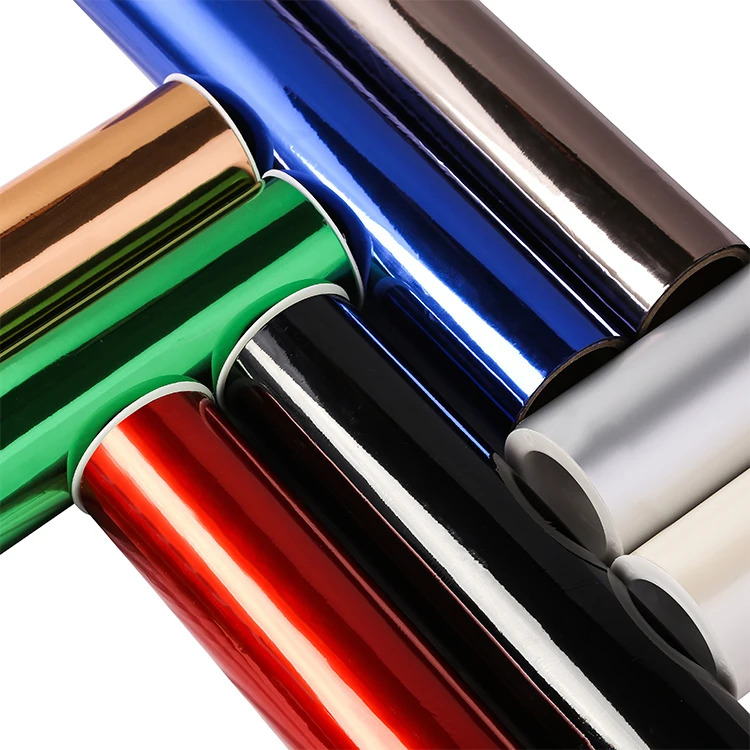
Wallis supplies rigid and semi-rigid metallic PET sheet for thermoformed blister trays, cosmetic inserts, confectionery packaging, gift packs and premium retail displays. Gold, rose gold, champagne, silver, copper and selected custom tones can be evaluated in gloss or matte appearances.
“Gold-plated PET” is a common market phrase, but the decorative layer is not necessarily real gold. Depending on the grade, the appearance may be created through vacuum-metallized aluminum, a colored coating, lamination or another surface construction. The exact layer structure should be confirmed before forming, printing, sealing or compliance testing.
Request a Metallic PET Sample and Quote
Metallized PET Sheet Specifications
| Item | Available Specification |
| Product | Gold-color and custom-color metallized PET sheet or film for decorative packaging |
| Base material | PET (polyethylene terephthalate), rigid or semi-rigid according to grade and thickness |
| Metallic construction | Vacuum-metallized, coated, laminated or other decorative structure; confirm the exact construction with the quotation |
| Colors | Classic gold, champagne gold, rose gold, silver, light metallic, copper and custom tones subject to sample matching |
| Surface finish | High gloss, mirror-like, satin or matte appearance subject to grade availability |
| Thickness | 0.15-3.0 mm or customized; thermoforming feasibility depends on thickness and layer construction |
| Format and dimensions | Custom rolls, sheets and slit widths according to order requirements |
| Processing options | Thermoforming, vacuum forming, printing, lamination, die cutting and protective masking after technical confirmation |
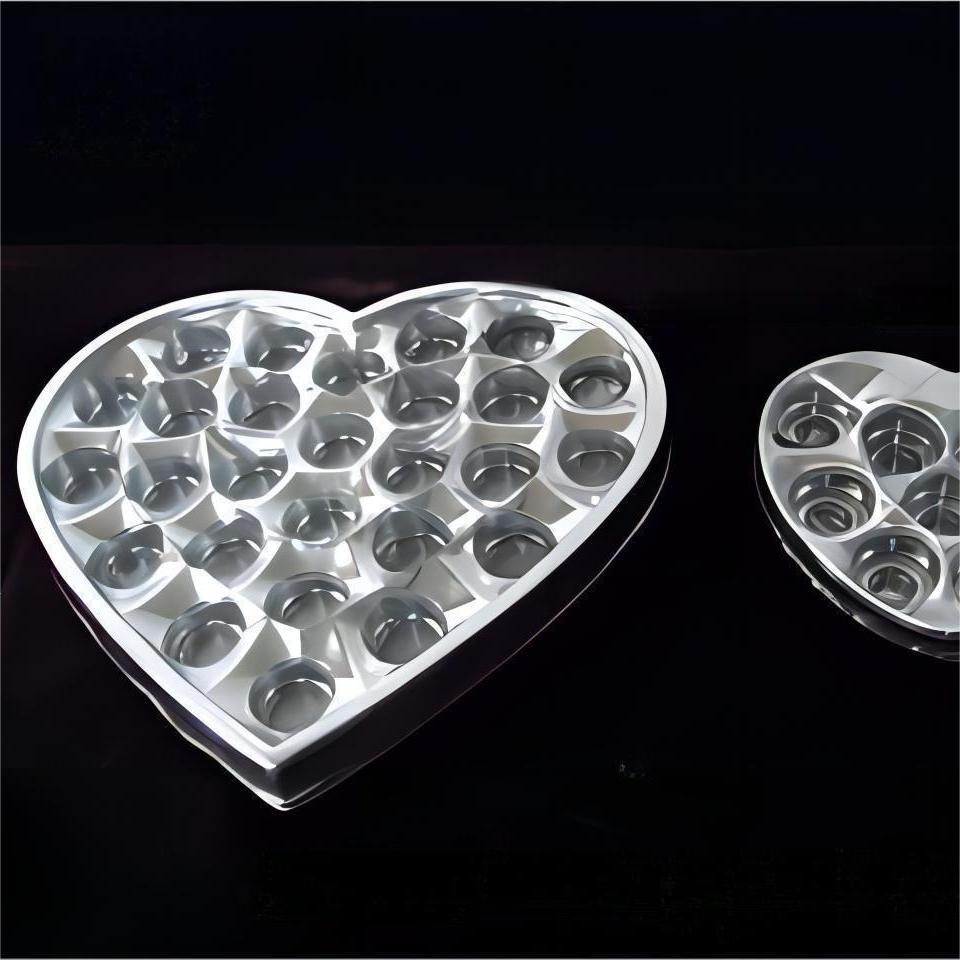
| Typical applications | Decorative blister trays, chocolate inserts, cosmetic packs, gift packaging, jewelry displays and retail product trays |
| Minimum order quantity | More than 100 kg; final MOQ depends on color, thickness, width and surface construction |
Specification note: Available options are subject to technical feasibility and do not represent one universal grade. Final color, forming depth, coating adhesion, product-contact status, barrier data, printing and sealing performance should be confirmed through a technical specification and approved sample.
What Is Gold-Color Metallized PET?
Metallized PET combines a polyester substrate with a very thin metallic or metallic-effect layer. Vacuum metallization commonly deposits aluminum on the PET surface. A tinted lacquer, printed layer or laminated construction can then create gold, rose gold, copper and other decorative tones.
The sheet may be metallic on one side or both sides, and the two faces may show different colors. Buyers should identify the forming side, product-contact side, printable side and viewing side because surface orientation affects tooling, decoration, sealing and the finished appearance.
Metallization can improve light, oxygen or moisture barrier compared with an equivalent uncoated film, but barrier performance must be measured on the final structure. Stretching during deep drawing, pinholes, cut edges, lidding and seal quality can change the result.
Performance Requirements for Thermoformed Blister Packaging
Thermoforming Grade and Draw Ratio
Not every metallized PET film is designed for thermoforming. Specify cavity depth, draw ratio, corner radius, tool type, heating method and cycle time. A production trial should confirm material distribution, webbing, wall thinning and release from the mold.
Metal-Layer Adhesion and Color Retention
The decorative layer must tolerate heating and stretching without unacceptable flaking, delamination, cracking or color loss. Evaluate the deepest corners and high-strain areas of the formed part rather than approving only a flat sheet.
Color Consistency and Optical Density
Metallic color changes with illumination, viewing angle, substrate and forming strain. Approve a physical master sample and define the measurement side, lighting, gloss and color tolerance. For opaque or barrier applications, optical density should also be specified.
Surface Protection and Scratch Control
Mirror and high-gloss surfaces reveal scratches, fingerprints and rubbing marks easily. Protective masking, clean handling, compatible stacking and suitable packaging can reduce damage. Scratch resistance is not automatic and should be tested when the formed tray will experience repeated contact.
Metallic Colors and Surface Finishes
Classic Gold and Champagne Gold
Classic gold creates a strong luxury signal, while champagne gold provides a lighter and softer tone. These colors can support confectionery, cosmetics, gifts, jewelry and seasonal retail packaging when matched to the brand artwork.
Rose Gold and Copper
Rose gold is often selected for beauty, lifestyle and gift products. Copper provides a warmer, darker metallic effect suited to craft, specialty food and vintage-inspired packaging. Final color should be approved on the intended thickness and formed shape.
Silver and Light Metallic Tones
Silver and light metallic colors create a clean technical appearance for electronics, personal-care and modern retail products. “White gold” is not a standardized color term, so use a physical reference, color code or approved master sample.
High-Gloss, Mirror, Satin and Matte Finishes
A mirror finish maximizes reflected light, while satin or matte effects create a softer appearance and may make minor handling marks less visible. Finish selection can influence printing, forming friction, blocking and protective-film requirements.
Blister Tray and Retail Packaging Applications
Chocolate and Confectionery Trays
Gold and champagne trays can present chocolates, pralines, candies and desserts in premium gift packaging. When food touches the tray, the exact product-contact side, resin, metallic layer, coatings and additives must comply with the intended market and temperature conditions.
Cosmetics, Beauty Tools and Gift Sets
Rose gold, light gold and matte metallic inserts can hold skincare containers, makeup tools, fragrance bottles and beauty accessories. The cavity should control product movement without creating stress points or visible abrasion.
Jewelry, Electronics and Premium Consumer Goods
Metallic PET trays can support jewelry, accessories, small electronics and promotional items. Anti-static or conductive performance is not standard for metallized decorative PET and must be separately specified and measured when electronic components are sensitive to electrostatic discharge.
Healthcare and Pharmaceutical Retail Packs
Decorative PET may be considered for secondary healthcare packaging, wellness products or non-sterile accessories after compliance review. It should not be described as suitable for primary pharmaceutical blister packaging, sterile medical packaging or a validated barrier system unless the specific grade and complete package have been qualified for that use.
Compare Metallic PET Packaging Constructions
| Construction | Typical Appearance or Function | Key Checks |
| Vacuum-metallized PET | Bright reflective surface with a very thin deposited metal layer | Metal adhesion, optical density, forming stretch, pinholes and surface orientation |
| Gold-color coated PET | Custom gold tone or surface effect created with a compatible coating | Color tolerance, coating adhesion, rub resistance, heat response and compliance |
| Laminated metallic PET | Multiple layers can combine decoration, forming or sealing functions | Interlayer bond, delamination, edge appearance, recycling and forming compatibility |
| Solid-color PET | Color distributed through or on the sheet without a mirror metal effect | Opacity, color consistency, gloss and suitability for the intended forming process |
| Clear PET with printed metallic ink | Localized metallic graphics while other areas remain clear | Ink adhesion, forming position, opacity, registration and abrasion resistance |
Choose the structure by finished-package performance, not color name alone. Two products described as “gold PET” may behave differently during heating, drawing, printing and sealing because their layer constructions are different.
Printing, Lamination and Sealing Compatibility
Printing on the Correct Surface
Identify whether printing will be applied to PET, topcoat or metallic surface. Corona treatment, primer and ink chemistry should match the selected face. Verify adhesion, color contrast, curing and blocking after storage and forming.
Lidding and Heat-Seal Requirements
Standard metallized PET is not automatically heat-sealable. If the tray will be sealed to film, foil or paperboard, specify the lidding material, sealant layer, temperature, dwell time, pressure, peel behavior and required seal strength.
Die Cutting and Converted Components
Metallic PET can be slit, sheeted or die-cut after the appropriate construction is selected. Tool condition, cut-edge quality, dust control and surface protection should be checked, particularly for mirror-finish inserts and visible retail components.
Quality Control and Sample Approval
Incoming and production inspection may include PET grade, thickness tolerance, width, winding, surface orientation, color difference, gloss, optical density, coating or metal adhesion, scratches, pinholes, gels, black spots and protective-film removal.
The approved standard should include both flat material and a formed sample. Evaluate wall thinning, color shift, cracking, delamination, flange flatness, stacking, cavity fit, printing and sealing after the intended heating cycle.
When regulatory or barrier performance matters, define the test method, target value and tested construction. A general statement about PET or metallization cannot replace documentation for the exact grade and finished package.
Why Source Metallic PET Sheet from Wallis?
Application-Based Material Review
Wallis reviews color, thickness, forming depth, surface orientation, printing, lidding and end-use requirements before confirming a suitable material construction. This reduces the risk of selecting a decorative film that cannot tolerate the intended process.
Custom PET Sheet and Converting Support
Shanghai Wallis Technology Co., Ltd. supplies PET, PETG, PVC, polycarbonate, acrylic and related plastic sheet products from multiple production facilities. Custom rolls, sheets, slitting and packaging options can be reviewed for B2B projects.
Sampling and Production Communication
Buyers can submit a color reference, formed sample, drawing and processing conditions for feasibility review. A representative trial and written acceptance standard provide a clearer basis for quotation and mass-production inspection.
Packaging, Storage and Export Delivery
Metallic surfaces should be protected from abrasion, dust, humidity, excessive heat and direct sunlight. Depending on the format, packing may include protective film, interleaving, moisture-resistant wrapping, edge protection, rigid cartons and pallets.
Store rolls upright or in the approved orientation and keep sheets flat within the recommended conditions. Confirm roll diameter, core size, winding direction, pallet dimensions and container-loading requirements before shipment.


Information Required for a Fast Quote
Provide the application, color reference, gloss or matte finish, thickness, roll or sheet dimensions, order quantity, forming depth and drawing, heating process, printing side, lidding or sealing method, product-contact conditions, compliance requirements, packaging and destination.
Contact Wallis for a Custom Quote
Frequently Asked Questions
Is gold-plated PET made with real gold?
Usually not. “Gold-plated PET” commonly refers to PET with a gold-color metallic effect. The structure may use vacuum-metallized aluminum, a tinted coating or lamination. Confirm the exact layer construction for each grade.
Can every metallized PET film be thermoformed?
No. Flexible metallized film for lamination may not perform like rigid thermoforming sheet. Specify the forming process and cavity geometry, then approve the material through a production-representative trial.
Will the metallic color crack or fade after forming?
Performance depends on the layer structure, heating cycle and forming strain. Inspect deep corners and stretched walls for cracking, loss of density, delamination and color shift before approving mass production.
Can Wallis match a custom metallic color?
Custom tones can be reviewed according to quantity and technical feasibility. Supply a physical color standard and define the viewing side, lighting, gloss level and acceptable color tolerance.
Is gold metallized PET suitable for food-contact trays?
Only a specifically documented grade should be used. Confirm which face contacts food and request compliance information for the PET, metallic layer, coatings, additives and any lidding system under the intended conditions.
Can it be used for pharmaceutical blister packaging?
Decorative PET is not automatically a pharmaceutical primary-packaging material. The exact grade and complete blister system must meet the applicable barrier, migration, stability and regulatory requirements before such use.
Can metallized PET be printed or laminated?
Yes, when the correct surface treatment, primer, ink or adhesive is selected. Identify the printable face and approve adhesion, blocking, heat exposure and post-forming appearance.
Does metallized PET provide a guaranteed barrier?
Metallization can improve light, gas and moisture barrier, but the final value depends on metal coverage, forming strain, pinholes, cut edges and seals. Use measured results from the complete package for barrier claims.
Is gold-color metallized PET recyclable?
Recycling depends on the local system and complete construction. Metallic layers, coatings, laminates, inks, adhesives and lidding materials may affect sorting or acceptance, so confirm the finished pack with the destination-market recycler.
What should I send when requesting a sample?
Send a color standard, desired finish, thickness and dimensions, forming drawing, process conditions, product-contact information, printing and sealing requirements, quantity and destination. A current material or formed tray is helpful for matching.
Discuss Your Metallized PET Project