Marbled Wood Grain Acrylic PVC Sheet for Cabinet Doors
Wallis marbled wood grain acrylic PVC sheet for cabinet doors is a decorative composite surface material developed for kitchen cabinets, wardrobes, bathroom vanities, furniture panels, TV units, wall panels, retail fixtures, hotel furniture, and customized interior projects.
The acrylic surface provides a refined high-gloss or matte appearance, while the decorative PVC layer supports realistic wood grain, marble, solid-color, and customized patterns. This structure helps cabinet manufacturers achieve repeatable décor, efficient board processing, and a premium visual effect without relying on natural stone or solid wood for every surface.
Thickness, width, length, color, pattern, gloss, texture, scratch-resistant coating, protective film, and export packaging can be discussed for cabinet factories, furniture manufacturers, panel laminators, distributors, project contractors, and OEM brands.
Request an Acrylic PVC Sample
Product Specifications for Cabinet and Furniture Buyers
| Item | Specification |
| Product Name | Marbled Wood Grain Acrylic PVC Decorative Sheet for Cabinet Doors |
| Material Structure | Acrylic surface layer combined with a decorative PVC layer; exact construction subject to product-grade confirmation |
| Surface Finish | High gloss, matte, or customized gloss level |
| Décor Options | Wood grain, marble, stone, solid color, metallic effect, and customized designs |
| Thickness Range | 0.75–3.0mm; customized thickness subject to structure and production confirmation |
| Standard Width | 1220mm or 1400mm |
| Standard Length | 2440mm, 2800mm, or customized length |
| Typical Processing | Flat lamination, membrane pressing, vacuum pressing, cutting, drilling, edging, and selected forming processes after validation |
| Typical Substrates | MDF, particleboard, plywood, multilayer board, and other compatible furniture panels |
| Surface Options | Scratch-resistant, stain-resistant, moisture-resistant, easy-clean, and UV-resistant options subject to grade and test confirmation |
| Applications | Cabinet doors, wardrobes, furniture fronts, bathroom vanities, TV units, wall panels, retail fixtures, and commercial interiors |
| Supply Type | Factory-direct wholesale and OEM supply |
| Customization | Color, pattern, texture, thickness, dimensions, gloss, coating, protective film, labels, and packaging |
| MOQ | Negotiable according to standard or customized specification |
| Packaging | Protective film and export-standard packing according to order requirements |
Specification note: The original product information describes an acrylic and PVC composite with a 0.75–3.0mm thickness range and standard sheet dimensions. Final layer structure, forming capability, surface performance, tolerances, and processing conditions must be confirmed against the approved product sample and technical agreement.
Acrylic PVC Decorative Furniture Surface
Understanding the Acrylic PVC Composite Structure
Acrylic Surface Layer
The acrylic-facing layer provides optical depth, gloss, surface smoothness, and protection for the printed or colored decorative layer beneath it. Depending on the grade, the surface may be supplied in a mirror-like high gloss, controlled matte, or another customized finish.
Decorative PVC Layer
The PVC layer supports printed wood grain, marble, stone, solid color, and other decorative designs. It can help manufacturers maintain consistent pattern and color across large cabinet or furniture production runs, subject to normal batch tolerances and approved master samples.
Sheet, Laminate, or Film Terminology
Because this product is listed at 0.75–3.0mm thick and supplied in sheet dimensions, buyers may also describe it as an acrylic PVC laminate, acrylic decorative sheet, or cabinet-door surface sheet. The exact product format should be confirmed before purchasing, especially when selecting lamination, membrane pressing, cutting, or forming equipment.
Finished Cabinet Door Construction
The decorative sheet is only one part of the finished cabinet door. Final performance also depends on the MDF or other substrate, adhesive, balancing layer, edge treatment, machining quality, moisture control, installation, and cleaning procedure.
Wood Grain, Marble, and Custom Décor Options
Natural-Looking Wood Grain Designs
Wood grain patterns can reproduce oak, walnut, ash, elm, teak, or customized timber-inspired appearances without the natural color variation found in real veneer. Grain direction, repeat, pore effect, color tone, and adjacent-door matching should be considered during sampling and cutting.
Marble and Stone Effects
Marble and stone patterns can create a premium decorative effect for cabinet fronts, bathroom vanities, TV units, feature walls, hotel furniture, and retail interiors. For large panels, buyers should review the full pattern scale and repeat instead of approving only a small swatch.
Solid Colors and Metallic Effects
Solid colors, pearl effects, metallic tones, and coordinated neutrals can support modern kitchen, wardrobe, office, hospitality, and retail collections. Physical color approval is recommended because gloss, lighting, viewing angle, and substrate color influence appearance.
High-Gloss and Matte Finishes
High-gloss surfaces provide stronger reflectivity and color depth, while matte surfaces reduce glare and create a softer visual effect. Scratch visibility, fingerprints, cleaning behavior, and lighting should be evaluated for the selected color and finish.
Key Benefits for Cabinet and Furniture Manufacturing
Premium Appearance with Repeatable Décor
Printed decorative layers help manufacturers reproduce wood, marble, and custom designs with more predictable batch appearance than many natural materials. Batch consistency still requires an approved master sample, defined color tolerance, controlled material orientation, and suitable inspection lighting.
Efficient Surface Production
Acrylic PVC sheets can reduce the number of finishing stages compared with multi-step painting or natural veneer finishing. Production efficiency depends on board preparation, adhesive selection, press settings, cutting, edging, protective-film handling, and operator control.
Surface Protection Options
Selected grades can include hard-coated, scratch-resistant, stain-resistant, easy-clean, and UV-resistant surfaces. These claims should be supported by the relevant product-grade test report and matched to the buyer’s required method and acceptance level.
Flexible Product Development
Cabinet brands can coordinate pattern, color, gloss, texture, thickness, sheet size, edge design, and packaging for different product lines. Samples and trial panels allow each combination to be checked before large-volume production.
Alternative to Selected Natural Surfaces
Decorative wood and marble effects can reduce reliance on natural veneer or stone for selected cabinet and interior surfaces. Environmental performance should be evaluated using verified material composition, recycled content, emissions, service life, manufacturing data, and local end-of-life options rather than the word “eco-friendly” alone.

Acrylic PVC Decorative Surface
Scratch-Resistant Surface Options
Hard-Coated Acrylic Surface
A hard-coated surface can improve resistance to light scratches, cleaning marks, and routine abrasion. The precise coating structure and hardness vary by grade, so buyers should request the relevant technical specification rather than assuming all acrylic PVC sheets have the same performance.
Define the Required Test Method
Pencil hardness, Erichsen scratch testing, Martindale abrasion, steel-wool testing, and customer-specific methods measure different types of surface damage. Purchase specifications should identify the method, load, number of cycles, tool, and acceptable result.
Protect the Surface During Production
Scratch resistance does not eliminate the need for protective handling. Keep the protective film in place through appropriate cutting, drilling, edging, lamination, transport, and installation stages, and use clean tables, gloves, separators, and packaging.
Evaluate the Finished Door
The scratch performance of the finished cabinet door can be affected by substrate support, adhesive coverage, surface contamination, machining, edge finishing, and installation. Test representative finished components, not only loose sheet samples.

Scratch-Resistant Acrylic Furniture Surface
Compatible Substrates and Processing Methods
MDF Cabinet Doors
MDF provides a smooth and stable base for many acrylic PVC cabinet-door constructions. The MDF must be clean, flat, dry, and free from sanding defects, dust, loose fibers, oil, and moisture variation before bonding.
Particleboard and Plywood
Particleboard, plywood, and multilayer boards may be used for flat furniture panels after suitable sanding, filling, priming, or other preparation. Bonding performance depends on the actual board face, moisture, adhesive, pressure, and service environment.
Flat Lamination
Flat lamination is suitable for cabinet fronts, wardrobe doors, wall panels, TV units, shelving, and commercial furniture. Adhesive spread, nip or press pressure, temperature, curing, panel balance, and cooling must remain within the validated process window.
Vacuum and Membrane Pressing
The original product information lists vacuum and membrane pressing. Actual three-dimensional forming capability depends on the laminate construction, thickness, forming depth, minimum radius, heating cycle, elongation, adhesive activation, vacuum level, and cooling. A forming trial is required before production.
Cutting, Drilling, and Edging
Use sharp, suitable woodworking or plastics-processing tools and support the sheet to reduce chipping, cracking, vibration, or heat marks. Match the edge band or edge-finishing method to the décor, thickness, substrate, and intended moisture exposure.
Adhesive Compatibility
Adhesive selection depends on the backside treatment, substrate, press equipment, open time, activation temperature, pressure, curing, humidity, and final use. Conduct bond-strength, heat-ageing, moisture, edge-lifting, and chemical-compatibility tests using actual production materials.
Cabinet and Interior Applications
Kitchen Cabinet Doors
Wood grain, marble, high-gloss, and matte acrylic PVC surfaces can create coordinated modern kitchen fronts. Kitchen projects should verify heat exposure, humidity, stain resistance, cleaning chemicals, edge sealing, impact, and scratch requirements for the complete cabinet door.
Bathroom Vanities
Marble and wood effects are suitable for selected bathroom cabinets when the complete panel is properly bonded, edge-sealed, installed, and maintained. The decorative surface alone does not make the finished board waterproof.
Wardrobes and Bedroom Furniture
Wardrobe doors, drawer fronts, dressing tables, bedside cabinets, and bedroom panels can use coordinated wood, marble, solid, or metallic décors. Large adjacent doors should use material from the same approved batch and maintain consistent pattern direction.
TV Units and Decorative Wall Panels
Acrylic PVC sheets can be used for TV units, feature walls, headboards, reception backgrounds, display panels, and interior partitions. Pattern scale, joint layout, edge detailing, lighting, fire requirements, and installation method should be planned for each project.
Retail, Hotel, and Commercial Furniture
Retail counters, display cabinets, reception desks, hotel casegoods, restaurant furniture, and office storage can use customized décor to support brand identity. High-contact areas should use a grade tested for the required abrasion, stain, disinfectant, and cleaner exposure.

Applications in Home Interiors
Acrylic PVC Sheet Compared with Other Cabinet Surfaces
Acrylic PVC composite sheets, natural veneer, PVC thermofoil, PETG laminate, HPL, and lacquered panels solve different design and production requirements. Final selection should consider appearance, forming needs, equipment, surface tests, edge system, cost, and end-use environment.
| Selection Factor | Acrylic PVC Composite | Natural Wood Veneer | PVC Thermofoil | PETG or Acrylic Laminate | Lacquered MDF |
| Appearance | High-gloss or matte printed décor with acrylic depth | Authentic natural grain and material variation | Broad printed and embossed décor range | Smooth high-gloss or matte surface with grade-specific depth | Seamless painted color with customizable finish |
| Batch Consistency | Controlled print and color subject to approved tolerances | Natural variation between sheets and logs | Generally repeatable print and embossing | Generally repeatable solid or decorative surface | Depends on paint mixing, application, and curing control |
| Processing | Flat lamination, cutting, edging, and selected forming after validation | Veneering, sanding, staining, coating, and edge finishing | Vacuum or membrane pressing and profile wrapping | Flat lamination, cutting, and grade-specific forming | Sanding, priming, coating, curing, polishing, and inspection |
| Pattern Options | Wood, marble, stone, solid, metallic, and customized graphics | Natural species, cut, grain, and stain options | Extensive wood, stone, solid, fantasy, and embossed designs | Solid colors and selected decorative effects | Broad solid colors and special paint effects |
| Key Production Risk | Chipping, scratches, adhesive compatibility, panel balance, and forming limits | Natural variation, cracking, sanding, coating, and moisture movement | Shrinkage, corner failure, texture distortion, and adhesive activation | Surface handling, bonding, edge quality, and panel balance | Dust, orange peel, curing, color variation, and repair consistency |
Environmental and Compliance Considerations
Avoid Unsupported Eco-Friendly Claims
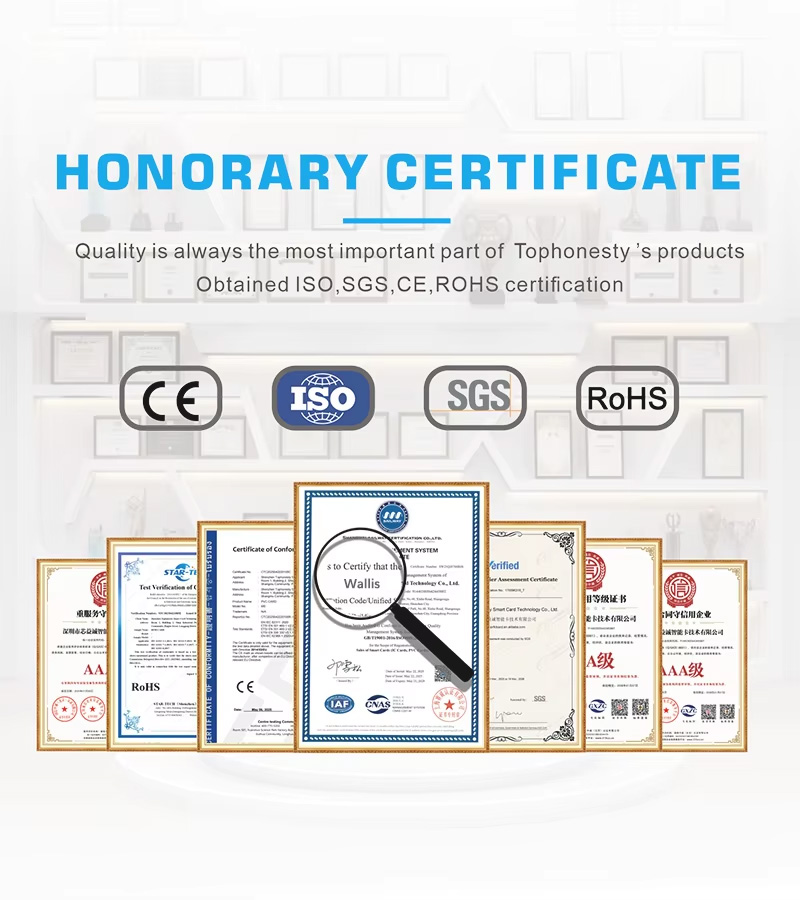
“Eco-friendly” should be supported by specific evidence such as recycled content, emissions testing, restricted-substance compliance, energy data, certified substrate sourcing, service-life information, or a verified environmental declaration. Ask for documentation that matches the exact product grade and intended market.
Material Efficiency
Printed wood and marble décors can provide the desired appearance using a thin decorative surface on engineered furniture board. This may improve material efficiency for selected designs, but the environmental outcome depends on the complete panel, production yield, durability, transportation, and end-of-life treatment.
Recycling and End-of-Life
A laminated cabinet door combines acrylic, PVC, adhesive, substrate, edge material, and hardware. Practical recycling depends on separation technology, contamination, collection systems, and local infrastructure. Do not describe the complete product as universally recyclable without verified evidence.
Documentation for Target Markets
Buyers should identify required chemical, emissions, fire, food-contact, building-material, or furniture standards before production. Certificates and test reports must correspond to the product code, thickness, formulation, coating, and production date where applicable.
Production and Quality-Control Recommendations
Approve a Master Sample and Finished Panel
Approve color, pattern, gloss, texture, surface quality, and thickness on a physical master sample. Then produce a finished cabinet-door trial using the actual substrate, adhesive, press, cutting tools, edge band, and production conditions.
Control Pattern Direction and Repeat
Wood grain and directional marble designs should be marked on production drawings. Keep adjacent cabinet doors aligned and consider how the pattern continues across drawers, tall units, islands, and wall panels.
Use a Balancing Layer Where Required
Large MDF or particleboard panels may require a suitable reverse-side balancing material to reduce warpage. The front sheet, balancing layer, adhesive quantity, substrate thickness, board moisture, and press cycle should be designed as one panel system.
Define Batch Acceptance Criteria
Purchase specifications should define thickness and size tolerances, color difference, gloss range, pattern repeat, surface defects, scratches, protective-film quality, edge condition, coating performance, packaging, and required test results.
Store and Handle Correctly
Store sheets indoors on a flat, stable support away from direct sunlight, excessive heat, moisture, dust, and sharp objects. Allow the sheet, substrate, and adhesive to reach suitable processing conditions before production.
Cleaning and Maintenance
Remove dust using a clean, soft microfiber cloth.
Use clean water or a mild neutral detergent for routine cleaning.
Wipe cooking oil, drinks, cosmetics, ink, and other stains promptly.
Avoid abrasive pads, powders, steel wool, blades, and sharp tools.
Do not use strong solvents, acids, alkalis, or unapproved disinfectants.
Test commercial cleaning products on the exact surface grade before regular use.
Cleaner resistance varies by acrylic grade, coating, chemical concentration, contact time, temperature, and wiping method. High-gloss surfaces should be cleaned with particular care to reduce fine cleaning marks.
Wholesale and OEM Supply Advantages
Factory-direct supply: suitable for cabinet factories, furniture manufacturers, panel laminators, distributors, and project contractors.
Custom décor development: wood grain, marble, stone, solid colors, metallic effects, and project-specific patterns.
Flexible specifications: thickness, width, length, gloss, texture, coating, protective film, labels, and packaging.
Sample verification: physical samples and trial panels for color, pattern, surface, machining, adhesion, and cleaning tests.
Batch-control support: agreed inspection criteria for dimensions, appearance, color, gloss, surface defects, and packaging.
Discuss Your Cabinet Surface Project

Available Product Documentation
Wallis Supply and Customer Support
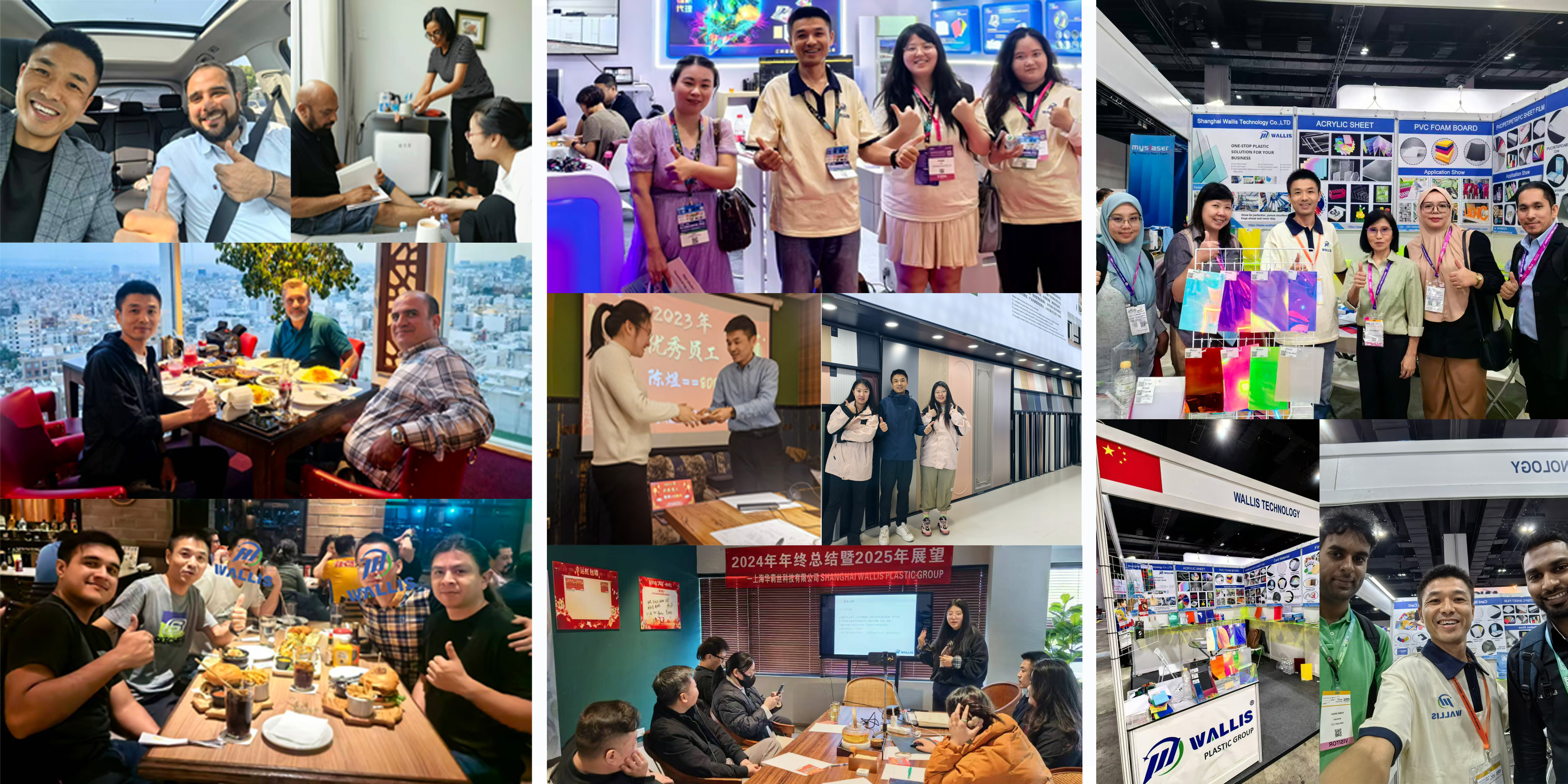
Wallis supplies decorative acrylic PVC materials to cabinet-door manufacturers, furniture factories, interior-material distributors, project contractors, and OEM customers in international markets. Support can include sample selection, specification review, customized design development, production coordination, and export packaging.

Company Daily Operations
Customer Feedback

Information Required for a Quotation
To receive an accurate quotation, provide the required thickness, width, length, acrylic and PVC structure, color or décor reference, pattern direction, gloss, texture, coating, substrate, processing method, cabinet-door design, order quantity, destination country, protective film, packaging, and required test documents.
For customized patterns, send a physical panel, décor paper, high-resolution artwork, or approved color reference whenever possible. For membrane pressing, also provide the profile drawing, forming depth, minimum radius, adhesive, equipment, temperature, pressure, and cycle information.
Get a Factory Quotation
Frequently Asked Questions
What is marbled wood grain acrylic PVC sheet?
It is a composite decorative surface that combines an acrylic-facing layer with a PVC decorative layer. It can reproduce wood grain, marble, solid colors, and custom patterns for cabinet doors and furniture panels.
Is this product a flexible film or a rigid sheet?
The listed 0.75–3.0mm thickness and 1220/1400mm sheet widths indicate a sheet or laminate format. Exact flexibility and forming capability depend on the selected thickness and layer construction, so confirm the product grade before ordering.
Is it suitable for kitchen cabinet doors?
Yes, suitable grades can be used for indoor kitchen cabinet doors when the substrate, adhesive, balancing layer, edge sealing, processing, heat exposure, humidity, and cleaning requirements have been validated.
Can Wallis customize wood grain and marble patterns?
Yes. Wood grain, marble, stone, solid-color, metallic, and customized decorative designs can be discussed. Feasibility, pattern repeat, color tolerance, artwork, minimum quantity, and sampling requirements must be confirmed.
What thicknesses and sheet sizes are available?
The original specification lists 0.75–3.0mm thickness, 1220mm or 1400mm width, and 2440mm or 2800mm length. Customized dimensions are subject to the selected structure and production confirmation.
Can it be laminated onto MDF?
Yes. MDF is a common substrate, but it must be smooth, dry, clean, and stable. Adhesive compatibility, pressure, temperature, curing, panel balance, and edge treatment must be tested before mass production.
Is it suitable for vacuum or membrane pressing?
The product page lists vacuum and membrane pressing, but suitability depends on thickness, structure, elongation, forming depth, radius, temperature, adhesive, vacuum level, and cooling. Conduct a representative forming trial first.
Is the acrylic PVC surface scratch-resistant?
Scratch-resistant grades and coatings are available, but performance depends on the product code and test method. Specify the required pencil hardness, scratch load, abrasion cycles, or other acceptance standard.
Is the finished cabinet door waterproof?
No decorative facing automatically makes a complete cabinet door waterproof. Moisture performance depends on the surface, substrate, adhesive, edges, joints, cutouts, installation, and exposure duration.
Is the product UV-resistant?
UV-resistant options may be available. Light stability varies by acrylic grade, PVC formulation, ink, pigment, coating, temperature, and exposure. Confirm the required test method for projects near windows or strong light.
Is this product environmentally friendly?
Environmental performance depends on composition, recycled content, emissions, manufacturing, service life, logistics, and end-of-life systems. Request product-specific evidence instead of relying only on a general eco-friendly claim.
How should the surface be cleaned?
Use a clean soft cloth with water or a mild neutral detergent. Avoid abrasive pads, powders, blades, and unapproved solvents. Test commercial cleaners on a sample before regular use.
Can I request a sample before a wholesale order?
Yes. Request a physical surface sample and produce a finished trial panel to evaluate color, pattern, gloss, thickness, scratch resistance, machining, adhesive compatibility, edge quality, and cleaning performance.
What is the minimum order quantity?
MOQ is negotiable and depends on whether the décor is standard or customized, as well as thickness, dimensions, coating, color, pattern, protective film, packaging, and production requirements.
What information should I provide for a quotation?
Provide thickness, width, length, layer structure, color or pattern, gloss, texture, coating, substrate, processing method, cabinet-door design, quantity, destination, protective film, packaging, and required test documents.
Contact Wallis Cabinet Surface Specialists