Wholesale PVC and ABS J-Clip Edge Banding for Furniture Panels
Wallis supplies custom PVC and ABS J-clip edge banding profiles for furniture factories, cabinet manufacturers, panel processors, interior contractors, distributors and OEM projects. The pre-formed J-shaped profile fits over the exposed edge of a furniture board to create a clean decorative border while helping protect the panel from impact, chipping, dirt and moisture exposure.
Designed for panel thicknesses from 16 mm to 25 mm, Wallis J-profile edge trim can be customized in profile dimensions, material, color, texture, finish and cut length. Available designs include solid colors, wood grain, marble, metallic, fabric-look, high-gloss, super-matte and custom furniture-surface matches.
This product is supplied as a pre-formed extruded J-profile. It should not be confused with ordinary flat roll edge banding or machine-formed J-shaped softforming edging. For an accurate quotation, provide the panel thickness, edge drawing, required profile cross-section, installation method and physical board sample.
Request a J-Profile Sample and Quote
PVC and ABS J-Clip Edge Profile Specifications
The following specifications reflect the product range shown on this page. Final profile dimensions, fit tolerance, length, surface finish and installation requirements should be confirmed from an approved drawing and physical sample before bulk production.
| Technical Specification | Available Value |
| Material | PVC or ABS |
| Compatible Board Thickness | 16–25 mm; exact fit developed according to the panel and profile drawing |
| Profile Width and Cross-Section | Customized J-profile geometry, lip depth, return length and visible face width |
| Profile Wall Thickness | 0.8–1.5 mm; custom options subject to tooling and performance review |
| Standard Length | 2450 mm, 2500 mm or customized cut length |
| Surface Finish | Matte, super-matte, skin-feel, gloss, high gloss, embossed or special-effect finish |
| Decorative Design | Solid color, wood grain, marble, stone, metal, fabric-look and custom decor |
| Installation | Press-fit, clip-on or adhesive-assisted assembly according to profile design and panel condition |
| Customization | Profile tooling, dimensions, material, color, texture, logo, length, labels and packaging |

Pre-formed J-profile edge trim customized to the furniture panel cross-section
What Is J-Clip Edge Banding?
J-clip edge banding is an extruded plastic finishing profile with a J-shaped cross-section. One section covers the visible panel edge while the return lip wraps around or grips part of the panel face. This geometry creates a defined border, protects the board edge and can add a handleless, framed or decorative appearance to furniture components.
Unlike conventional flat edge banding supplied in rolls, a J-clip profile is normally manufactured to a specific board thickness and supplied in straight lengths. The internal opening, lip tension, wall thickness and return dimensions must match the actual furniture panel for secure installation.
J-Clip Profile vs. Standard Flat Edge Banding
Standard edge banding is a flat strip bonded to a straight or profiled board edge with hot-melt adhesive. J-clip edging is already extruded into a shaped cross-section and is fitted over the board edge. The required machinery, packing format, installation sequence and dimensional tolerances are therefore different.
J-Clip Profile vs. J-Shaped Softforming
Softforming uses a flexible flat edge material and specialized pressure equipment to wrap a machined J-shaped furniture edge. The product on this page is a pre-formed PVC or ABS profile. State which construction your project uses so the correct material and processing recommendation can be supplied.
Key Features and Buyer Benefits
Secure J-Profile Coverage
The shaped profile covers the exposed board edge and returns over the panel surface. When the profile opening and lip dimensions are correctly matched to the board, the J-section creates a neat, stable and visually defined furniture edge.
Impact and Chip Protection
PVC and ABS profiles form a protective barrier around vulnerable MDF, particleboard, plywood, HDF and PVC foam board edges. The profile helps reduce damage from normal knocks, abrasion, chipping and handling during furniture use.
Moisture-Resistant Edge Cover
PVC and ABS are non-porous thermoplastics that help limit direct moisture contact with the board core. Finished resistance depends on the fit, end treatment, adhesive or fixing method, corner joints and installation quality; the plastic profile alone does not make the complete furniture component waterproof.
Flexible Decorative Development
The visible face can be coordinated with furniture films, laminates, melamine panels and decorative boards. Wallis supports solid colors, printed designs, embossed textures, metallic effects and different gloss levels for matching or contrasting furniture edges.
Custom Extrusion for OEM Projects
Profile geometry can be developed from a technical drawing, board sample or existing trim. Custom tooling may be required when the internal opening, visible face, return lip or locking feature differs from an available standard profile.

Custom extruded J-profile trims for panel-edge protection and decoration
PVC vs. ABS J-Clip Edge Profiles
| Selection Factor | PVC J-Clip Profile | ABS J-Clip Profile |
| Primary Advantage | Flexible, economical and available in a broad range of decorative finishes. | Chlorine-free material with good toughness, heat resistance and impact performance. |
| Typical Use | Cost-sensitive furniture, cabinets, wall panels and decorative profiles. | Premium furniture, commercial interiors and projects specifying ABS. |
| Flexibility | Good flexibility; formulation and wall thickness can be adjusted for the profile. | Good dimensional stability and toughness; bending limits depend on geometry. |
| Decorative Options | Solid, wood grain, stone, metallic, gloss, matte and textured surfaces. | Solid, printed, matte, gloss and selected decorative surfaces. |
| Project Decision | Select when price, flexibility and decor range are the priority. | Select when material policy, impact performance or heat resistance is the priority. |
Material suitability depends on the profile cross-section, wall thickness, installation method, furniture environment and required compliance. Approve a sample in the actual profile geometry rather than selecting material only from general properties.
Available Surface Designs
Wood Grain Series
Wood-look J-profiles can be developed for oak, walnut, ash, teak, maple, elm and other furniture-board decors. For accurate coordination, match the background color, grain print, texture, gloss and visible profile face to a physical panel sample.
Solid Color Series
Standard and customized colors include white, black, grey, beige, blue, green and other modern furniture shades. Pantone or RAL references can support initial development, but physical sample approval is recommended for final production.
Marble and Stone Collection
Marble and stone effects can coordinate with Calacatta, Carrara, black marble, grey stone, travertine and similar decorative panels used in cabinets, vanities, retail furniture and interior fixtures.
Metallic, Fabric and Special Textures
Special surfaces can include brushed metal, pearl effects, leather-look, fabric-look, skin-feel, anti-fingerprint, high-gloss and super-matte finishes. Feasibility depends on the profile geometry, surface process and order quantity.
Surface designs can be matched to furniture films, laminates and panel decors
Profile Fit, Tolerance and Installation
Measure the Actual Panel Thickness
Nominal 16 mm, 18 mm, 20 mm or 25 mm boards may vary after lamination, coating or surface-film application. Measure the finished panel at several points and provide the minimum, maximum and target thickness so the internal profile opening can be designed correctly.
Confirm the Cross-Section Drawing
The drawing should identify the internal opening, visible face width, J return, lip depth, wall thickness, radii and overall profile dimensions. State whether the profile must clip tightly, slide onto the panel or allow space for adhesive.
Select the Installation Method
Depending on the design, J-profiles may be press-fitted, mechanically clipped, bonded with a compatible adhesive or installed using a combination of fit and adhesive. The panel surface, profile material, temperature and service load must be considered when selecting the assembly method.
Test Cut Ends, Corners and Joints
Review the required end caps, mitre cuts, butt joints and corner details. Moisture resistance and visual quality are often determined by the profile ends and joints rather than the middle of the straight length.
Profile fit and installation must be confirmed on the actual finished panel
Furniture and Interior Applications
Home Furniture
J-clip profiles can be used on kitchen cabinets, wardrobes, TV units, shoe cabinets, bookshelves, vanity units, storage furniture and other residential panel products requiring a defined decorative border.
Office and Commercial Furniture
Typical applications include office desks, conference tables, filing cabinets, reception counters, retail displays, shop fittings and exhibition furniture exposed to regular handling and impact.
Wall Panels and Interior Decoration
Decorative J-profiles can finish wall-panel edges, partitions, feature panels and transitions between furniture surfaces. Custom metallic, marble, fabric and solid-color effects can support coordinated interior design systems.
Educational and Institutional Furniture
School desks, laboratory furniture, library shelving and institutional casework can benefit from a durable profile that covers vulnerable board edges and creates a smoother visible finish.
Hospitality and Project Furniture
Hotel rooms, serviced apartments, resort interiors, restaurant furniture and contract casework can use customized J-profile trims for repeatable color matching, impact protection and project-specific styling.

Custom Profile Development Process
1. Submit the Panel and Profile Requirements
Send the finished panel thickness, substrate, surface material, cross-section drawing, visible profile dimensions, required material, color, texture, length, quantity, installation method and destination market.
2. Review Standard Profile or New Tooling
Wallis will compare the required geometry with available profiles. If a standard profile cannot provide the required fit, custom extrusion tooling may be proposed for approval.
3. Produce and Test the Sample
Test the sample on the actual finished board. Check insertion force, retention, visible gaps, lip position, corner treatment, color match, surface quality, straightness and the selected adhesive or fixing method.
4. Approve the Master Sample
Confirm the profile drawing, approved sample, material, finish, length tolerance, packing and inspection requirements. The signed drawing and master sample should control repeat production.
Send Your Profile Drawing or Board Sample
Quality Control for Extruded J-Profiles
Profile performance depends on dimensional consistency as well as decorative quality. Inspection should be based on the approved drawing, material specification and master sample.
Profile dimensions: internal opening, visible face, return lip, wall thickness and overall cross-section.
Length and straightness: cut length, warpage, twist and storage condition.
Fit performance: insertion force, retention, gaps and compatibility with the approved board.
Surface quality: color, gloss, print, embossing, scratches, contamination and visible defects.
Mechanical behavior: flexibility, impact behavior and cracking according to the agreed test method.
Packing: length protection, bundles, labels, cartons or pallets and shipping marks.
Why Choose Wallis for J-Clip Edge Profiles?
Custom Extrusion and Decorative Matching
Wallis can coordinate extrusion geometry with furniture-surface design. The project can combine custom profile tooling, solid-color matching, decorative printing, embossing and surface finishing within one development process.
PVC and ABS Material Options
Buyers can select PVC for broad design flexibility and cost-efficient production or ABS for a chlorine-free profile with good toughness and heat resistance. Material selection is reviewed against the actual cross-section and application.
OEM Supply and Export Packaging
Wallis supports custom lengths, bundle quantities, labels, carton marks, protective packaging and export shipment coordination for furniture factories, profile distributors and interior project buyers.

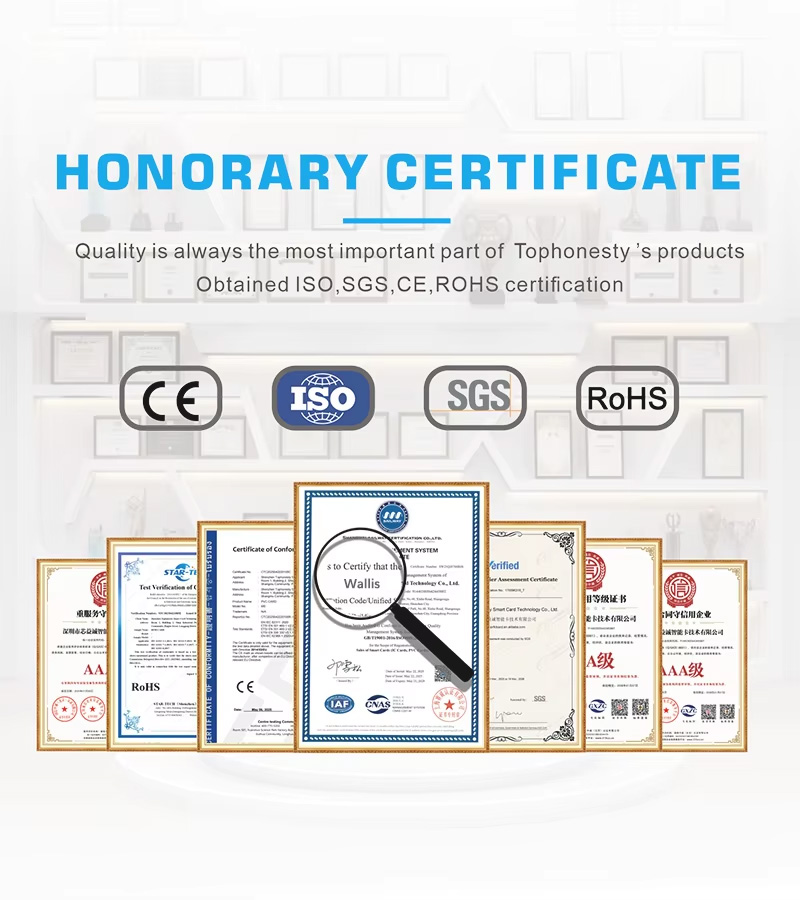
Wallis certificates and quality documentation
Global Supply for Furniture and Interior Projects
Wallis supports furniture manufacturers, cabinet factories, building-material distributors, panel processors and project contractors in international markets. Technical drawings, approved samples and clear packing specifications help reduce profile-fit problems and repeat-order variation.

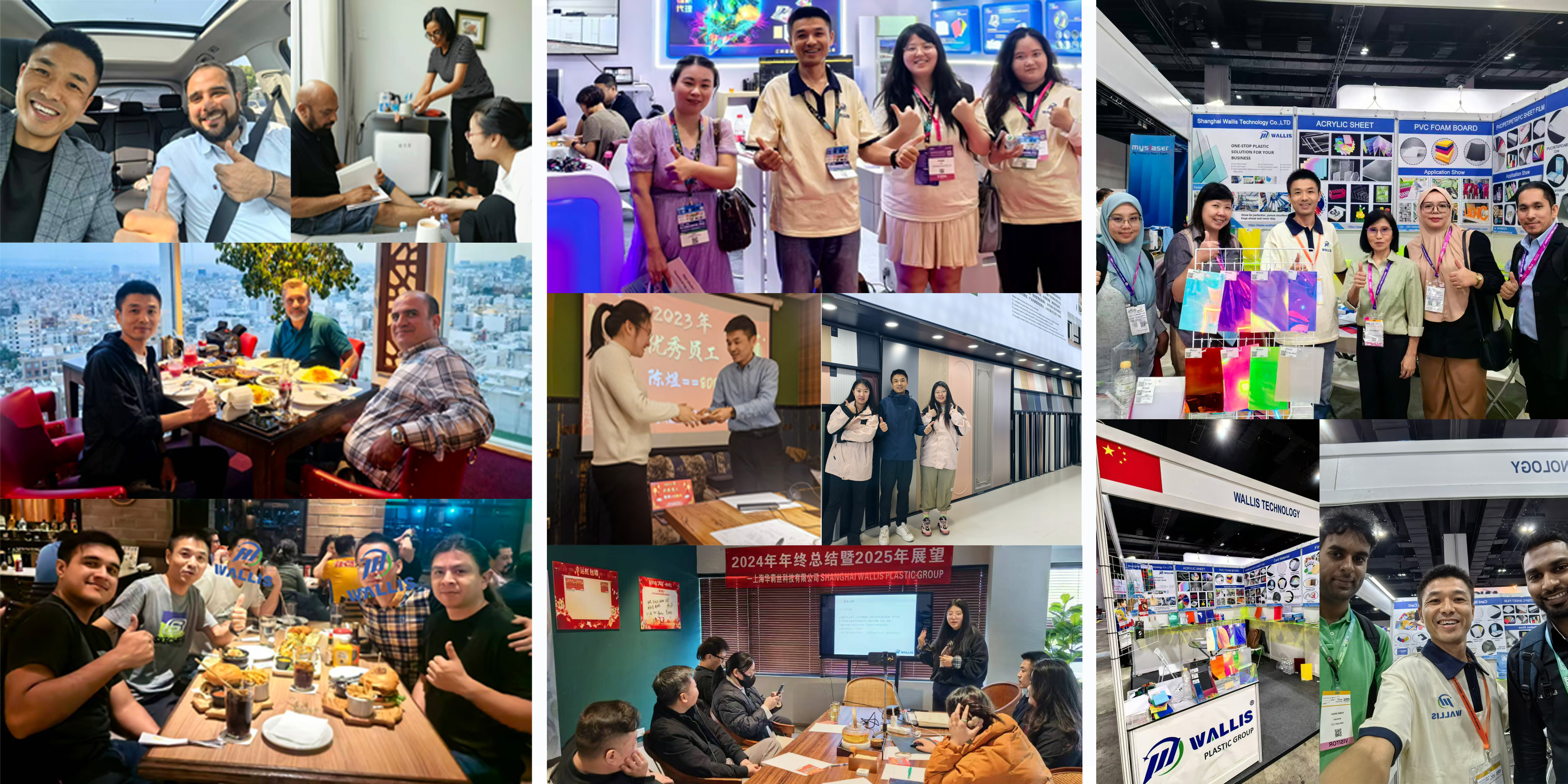
Production coordination and international B2B support
Customer Communication and Repeat-Order Support
Custom extruded profiles may require several rounds of drawing revision, tooling, fitting and decorative approval. Wallis focuses on clear technical communication, master-sample control and stable repeat production for long-term furniture programs.

Frequently Asked Questions
What is a J-clip edge banding profile?
It is a pre-formed plastic extrusion with a J-shaped cross-section that fits over a furniture-panel edge. It covers the exposed board, adds a decorative border and helps protect the edge from impact and moisture exposure.
Is J-clip edging the same as ordinary edge banding tape?
No. Ordinary edge banding is a flat strip commonly supplied in rolls and bonded to a panel edge. J-clip edging is supplied as a shaped profile in straight lengths and must match the panel thickness and cross-section.
Is this the same as J-shaped softforming edge banding?
No. Softforming uses a flat flexible edge and specialized machinery to wrap a machined J-shaped panel. This product is a pre-extruded J-profile installed onto the panel edge.
What is the difference between PVC and ABS J-profiles?
PVC is flexible, cost-efficient and available in a broad range of colors and decorative effects. ABS is chlorine-free and offers good toughness, dimensional stability and heat resistance. The best choice depends on the profile geometry, application and target market.
Which furniture boards are compatible with J-clip profiles?
They can be developed for MDF, particleboard, plywood, HDF, PVC foam board, melamine-faced boards and laminated furniture panels. The internal profile opening must match the actual finished board thickness.
How is a J-clip edge profile installed?
Installation may be press-fit, clip-on, adhesive-assisted or a combination, depending on the profile geometry and furniture design. The proposed method should be tested on the actual panel before mass production.
Can J-clip profiles be used on curved furniture?
Some profile geometries and material formulations can accommodate gentle curves, but rigid straight-length profiles have a minimum bending radius. Provide the curve radius and application drawing so feasibility can be evaluated.
Can the profile match our furniture film or laminate?
Yes. Wallis can develop coordinated colors, wood grain, stone, metallic, fabric and special-effect surfaces based on a physical furniture film, laminate or panel sample.
Can the profile dimensions be customized?
Yes. The internal opening, visible face, J return, lip depth, wall thickness and cut length can be customized. A new extrusion die may be required for non-standard cross-sections.
What panel measurements should we provide?
Provide the finished panel’s minimum, maximum and target thickness, surface construction, edge geometry and dimensional drawing. Sending a physical board sample is recommended for fit validation.
Do you provide samples before bulk production?
Yes. Samples can be arranged for dimensional fit, installation, retention, color, texture and surface-quality evaluation. Custom-tool samples depend on tooling approval and project requirements.
What information is needed for an accurate quotation?
Send the profile drawing, panel thickness, substrate, material preference, visible dimensions, length, color or panel sample, finish, installation method, quantity, packing requirements, destination country and required test or compliance documents.
Contact Wallis for Samples and Pricing