6H Anti-Scratch Acrylic PET Furniture Surface Sheet
Wallis 6H anti-scratch acrylic PET furniture surface sheet is a multilayer decorative material developed for cabinet doors, wardrobes, bathroom furniture, display panels and interior furniture boards. It combines a transparent acrylic protective surface with a printed PET decorative layer to create a high-gloss finish, strong visual depth and improved resistance to everyday surface marking.
The material is designed for furniture manufacturers, decorative panel laminators, cabinet-door factories, interior contractors, wholesalers and OEM brands that require repeatable gloss, customized patterns and stable batch supply. Wood grain, marble, solid color, metallic and customer-supplied designs can be discussed according to project volume and production feasibility.
“6H” describes a pencil-hardness result under a specified test method and test condition. It does not mean that the surface is impossible to scratch. Buyers should confirm the test standard, coating construction, sample result, substrate, adhesive and processing parameters before approving a bulk furniture program.
| Product Structure | Transparent acrylic protective surface laminated with a printed PET decorative layer |
| Surface Effect | High gloss with enhanced color depth and a glass-like decorative appearance |
| Hardness Claim | Up to 6H pencil hardness subject to the agreed test method, coating grade and approved sample |
| Decor Options | Wood grain, marble, solid color, metallic effect and customized printed designs |
| Typical Substrates | MDF, plywood, particle board and other qualified furniture panels after process validation |
| B2B Services | Sample approval, OEM decor development, specification matching, export packaging and bulk supply |
Request Samples and B2B Project Quote

Product Structure and Working Principle
The product uses a transparent acrylic top layer to protect and visually enhance the decorative PET layer below it. Light passes through the clear acrylic surface and reflects from the printed pattern, producing stronger depth and gloss than a basic single-layer printed film.
Transparent Acrylic Protective Layer
The acrylic surface provides optical clarity, gloss and resistance to routine handling marks. The actual pencil hardness and scratch performance depend on the surface coating, acrylic grade, thickness and test method.
Printed PET Decorative Layer
The PET layer carries the selected color or printed pattern. It can reproduce wood, stone, marble, solid-color, metallic and customized artwork while being protected beneath the transparent acrylic surface.
Laminated Composite Construction
The acrylic and PET layers must be laminated with compatible materials and controlled production settings. Bond strength, flatness, temperature resistance and downstream panel adhesion should be validated on the complete structure rather than judged from the surface sheet alone.
Technical Specifications
The table below summarizes the standard information from the current product range. Final thickness, dimensions, tolerances, hardness method, adhesive system and packaging should be stated in the approved quotation or technical specification.
| Item | Description |
| Surface Layer | Transparent acrylic protective layer |
| Decorative Layer | Printed PET film |
| Surface Hardness | Up to 6H pencil hardness, subject to agreed test conditions and approved sample |
| Finish | High gloss; other surface concepts subject to development |
| Pattern Options | Wood grain, marble, solid color, metallic effect and customized artwork |
| Thickness | Customized according to product construction and order specification |
| Processing | Lamination, cutting, trimming and CNC processing after project validation |
| Panel Substrates | MDF, plywood, particle board and other compatible furniture boards |
| Main Applications | Cabinet doors, wardrobes, bathroom furniture, display panels and interior decorative boards |
Why Choose Acrylic and Printed PET Construction?
| Selection Factor | Basic Decorative Film | Acrylic + Printed PET Structure |
| Visual Depth | Conventional surface appearance | Transparent top layer enhances depth and clarity |
| Gloss Level | Depends on film and coating grade | High-gloss, glass-like effect |
| Scratch Performance | Varies by material and topcoat | Up to 6H pencil-hardness grade after agreed testing |
| Pattern Flexibility | Standard printed decor | Printed PET supports varied decor and OEM development |
| Furniture Positioning | Standard decorative applications | Premium cabinet, wardrobe and interior panel programs |

Acrylic + PET Laminated Structure

High-Gloss Furniture Surface
Understanding the 6H Pencil-Hardness Rating
What Does 6H Mean?
A 6H claim normally refers to a pencil-hardness test in which pencils of defined hardness are moved across a coated surface under controlled conditions. The reported result depends on the referenced standard, load, pencil preparation, angle, operator and acceptance criterion.
Because pencil hardness is not the same as abrasion resistance, impact resistance or resistance to sharp metal objects, furniture buyers should evaluate all required surface properties separately. The approved sample and signed test method should form part of the purchase specification.
Why Scratch Resistance Matters in Furniture
Cabinet and furniture surfaces are exposed to cleaning cloths, packaging friction, tools, keys, dishes and repeated handling. A harder protective surface can reduce light marks and help retain gloss, but proper cleaning and handling instructions are still required.

6H Pencil-Hardness Evaluation
Key Features for Furniture Manufacturers
High-Gloss Optical Depth
The clear acrylic surface increases visual depth and creates a reflective, premium finish. Gloss level and appearance should be approved under the lighting conditions used in the showroom or installation.
Custom Printed Decorative Layer
Printed PET supports wood, marble, stone, solid-color and metallic-inspired designs. OEM artwork can be evaluated for print repeat, color accuracy, registration and minimum production quantity.
Lightweight Alternative to Glass-Look Panels
Acrylic-based decorative surfaces can deliver a glass-like look with lower weight and easier cutting than conventional glass. The final panel strength, fire behavior and installation method still depend on the complete board construction.
Compatible with Furniture Panel Processing
After validation, the laminated surface can be used with panel lamination, cutting, CNC routing, drilling, trimming and edge-finishing processes. Tool selection, feed rate and protective film removal should be optimized to reduce chipping and scratching.
Stable Supply for Repeat Programs
For repeat B2B orders, approved color standards, gloss targets, construction, thickness and packaging requirements can be documented to improve consistency between production batches.

Furniture Surface Performance and Visual Benefits
Furniture Applications
| Application | Project Considerations |
| Kitchen Cabinet Doors | Gloss, color consistency, cleaning resistance, edge sealing and resistance to kitchen humidity |
| Wardrobes and Storage Panels | Large-panel flatness, color matching, hinge drilling and edge-band compatibility |
| Bathroom Furniture | Moisture exposure, sealed edges, substrate quality and adhesive validation |
| Retail and Display Panels | High visual impact, brand colors, lighting reflections and repeated cleaning |
| Interior Feature Panels | Panel dimensions, installation system, fire requirements and project-specific compliance |
| Selected Horizontal Surfaces | Load, impact, heat, abrasion and cleaning demands must be separately evaluated |
The material is primarily positioned for decorative furniture surfaces. Use on countertops, tabletops or other high-wear horizontal applications should only proceed after project-specific abrasion, heat, stain, impact and chemical-resistance testing.

Recommended Panel Lamination Workflow
Confirm the construction: Define acrylic thickness, PET decor, adhesive, board substrate, backing material and finished panel dimensions.
Approve the visual sample: Review color, pattern, gloss, clarity and surface defects under agreed lighting.
Condition the materials: Stabilize films, sheets, adhesives and boards in the production environment before lamination.
Prepare the substrate: Confirm board flatness, moisture content, cleanliness and sanding quality.
Run a lamination trial: Optimize adhesive coat weight, pressure, temperature, line speed and curing time.
Process the panel: Validate cutting, drilling, CNC routing and edge banding with protective film in place where appropriate.
Approve finished parts: Inspect adhesion, flatness, gloss, color, edge quality, surface marks and dimensional stability before mass production.
B2B Customization Options
| Decor and Color | Wood grain, marble, stone, solid color, metallic appearance and custom artwork |
| Gloss and Surface | High-gloss standard concept; other effects subject to technical development |
| Thickness | Customized based on structure, processing and project quantity |
| Dimensions | Sheet or converted sizes according to production capability and order specification |
| Protective Film | Surface protection selected for transport and downstream processing |
| Packaging | Moisture protection, reinforced cartons, pallets and customer labeling |
Quality Checks Before Bulk Production
Visual inspection: Check scratches, bubbles, contamination, wrinkles, black spots and coating defects.
Color and decor: Compare printed color, pattern repeat and registration with the approved standard.
Gloss and clarity: Measure or visually approve gloss and transparency under controlled conditions.
Pencil hardness: Use the agreed standard, load and acceptance method.
Bond strength: Evaluate acrylic-to-PET and finished surface-to-board adhesion after curing.
Panel flatness: Inspect bow, curl, shrinkage and dimensional stability.
Processing test: Validate cutting, CNC routing, drilling and edge-finishing quality.
Use-condition testing: Add abrasion, stain, cleaning-agent, heat, moisture or UV tests where required by the project.
Why Work with Wallis for Furniture Surface Projects?
OEM decor support: Pattern, color and visual effect can be evaluated for furniture collections.
Sample-first process: Buyers can approve appearance and processing before bulk production.
Specification control: Construction, hardness method, dimensions and packaging can be documented.
Furniture-industry focus: Support for cabinet factories, board laminators, distributors and interior projects.
Bulk export supply: Protective packaging and international shipment coordination are available.
Long-term cooperation: Approved standards can support repeat production and collection expansion.

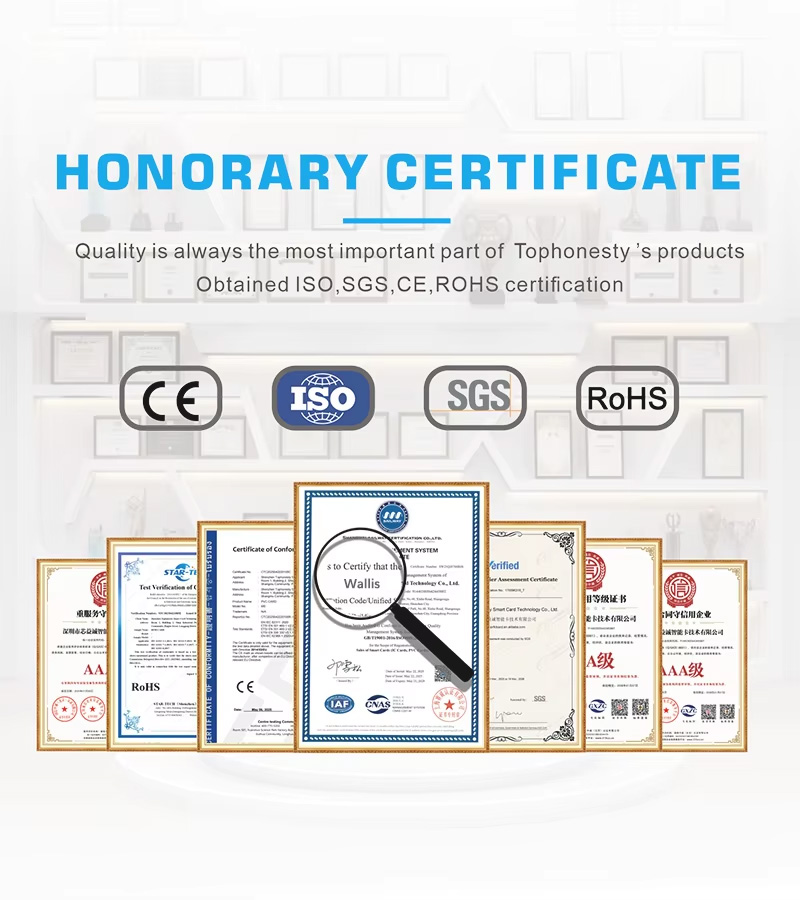
Wallis Quality and Product Documentation
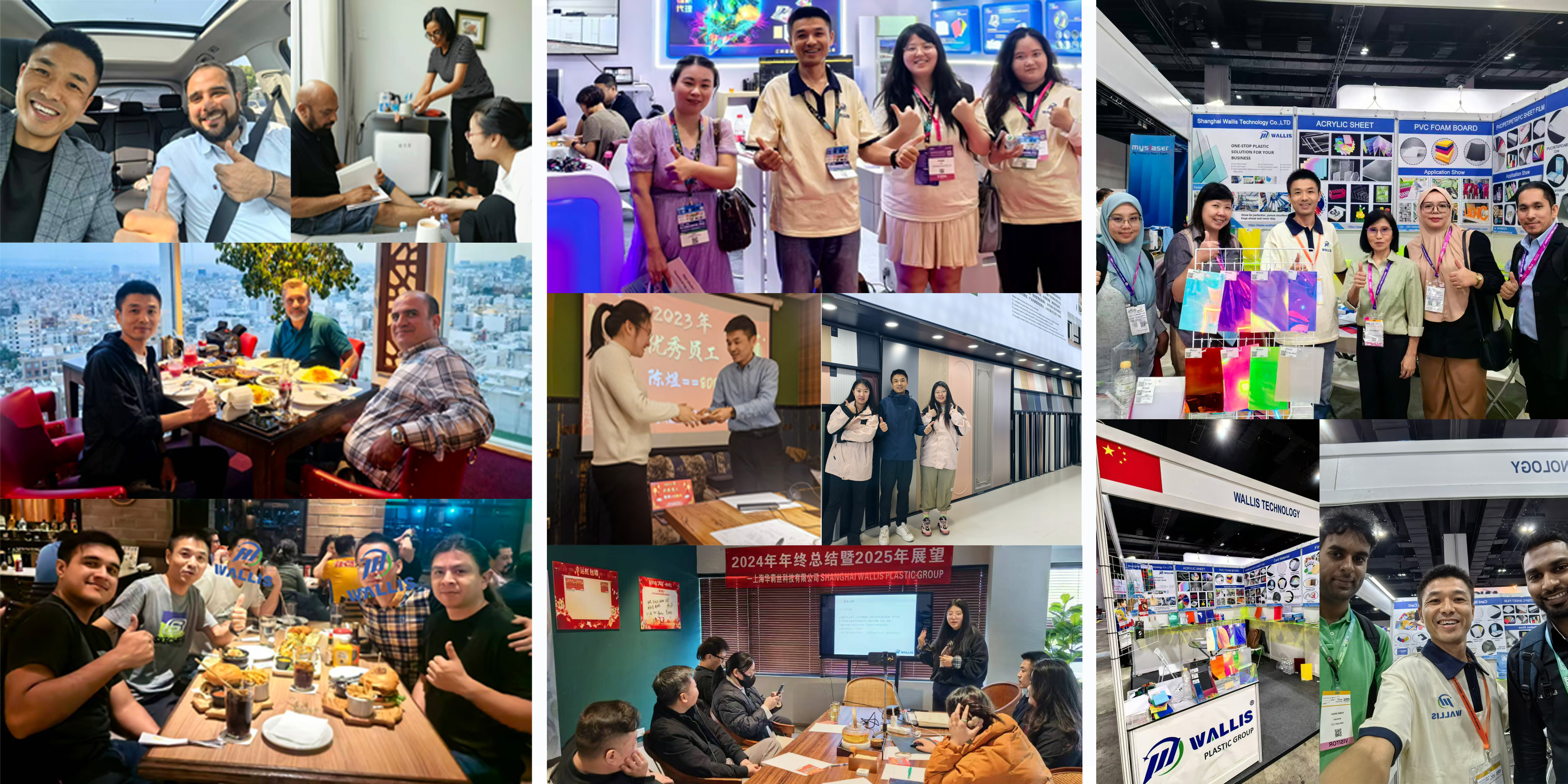
Global B2B Supply and Project Communication
Wallis supplies decorative furniture materials to cabinet producers, furniture manufacturers, interior-material importers, panel distributors and project contractors. For customized orders, both parties should approve physical samples, specifications, packaging and acceptable tolerances before production.

Global Project and Customer Support
Customer Cooperation
Project communication may include decor selection, sample development, panel-lamination trials, packaging confirmation and repeat-order planning. Buyers should retain approved reference samples for future batch comparison.

Information Needed for a Fast B2B Quotation
Furniture application and target market.
Required acrylic-PET structure, thickness and dimensions.
Color, wood grain, marble, metallic or customized artwork.
Required gloss level and pencil-hardness test method.
Board substrate, adhesive and lamination equipment.
Monthly or annual quantity and sample requirements.
Required performance tests, certificates and compliance documents.
Packaging, destination port and delivery schedule.
Discuss Your Furniture Surface Project
Frequently Asked Questions
What does 6H anti-scratch mean?
It normally refers to a pencil-hardness rating obtained under a defined test method. It indicates resistance to marking by a specified pencil but does not mean the material is completely scratch-proof or abrasion-proof.
Is the product a solid acrylic board?
This product is described as a laminated furniture surface structure combining a transparent acrylic layer and printed PET. The exact supplied construction and thickness should be confirmed in the quotation.
Which furniture panels can it be laminated onto?
It may be laminated to qualified MDF, plywood, particle board and other furniture substrates. Board moisture, flatness, surface preparation, adhesive and press settings must be tested together.
Can Wallis customize wood grain, marble and solid colors?
Yes. Standard and OEM decor development can be discussed. Color, print repeat, artwork, minimum quantity and physical sample approval are required before bulk production.
Is the material suitable for kitchen cabinet doors?
It is intended for cabinet-door and furniture-panel applications. The complete panel should be tested for edge sealing, moisture, heat, cleaning chemicals, adhesion and dimensional stability under the intended kitchen conditions.
Can it be used on countertops or tabletops?
Use on horizontal high-wear surfaces requires additional abrasion, impact, heat, stain and chemical-resistance testing. Pencil hardness alone is not sufficient to approve countertop use.
Can the laminated panel be cut and CNC-machined?
Yes, after validation. Tool geometry, cutting direction, spindle speed, feed rate, protective film and panel support should be optimized to reduce edge chipping and surface damage.
How should the surface be cleaned?
Use a soft cloth and a mild compatible cleaner. Avoid abrasive pads, sharp tools and unapproved solvents. The final care instructions should be confirmed after testing the exact surface grade.
Can samples be supplied before a bulk order?
Yes. Sample approval is recommended for color, gloss, pattern, hardness, lamination, cutting, edge banding and finished-panel performance before confirming a large order.
What determines the minimum order quantity?
MOQ depends on the acrylic-PET structure, decor, thickness, dimensions, printing requirements and whether the specification is standard or customized.
What information is required for a quotation?
Please provide the application, required structure, thickness, dimensions, decor, gloss, hardness requirement, substrate, adhesive process, order quantity, tests, packaging and destination.
Request 6H Acrylic PET Furniture Surface Samples
Contact Wallis Plastic to discuss 6H anti-scratch acrylic PET furniture surface materials for cabinet doors, wardrobes, bathroom furniture, decorative boards and OEM collections. Our team supports sample evaluation, custom decor development, technical confirmation and export-ready B2B supply.
Request Samples and Factory Quote