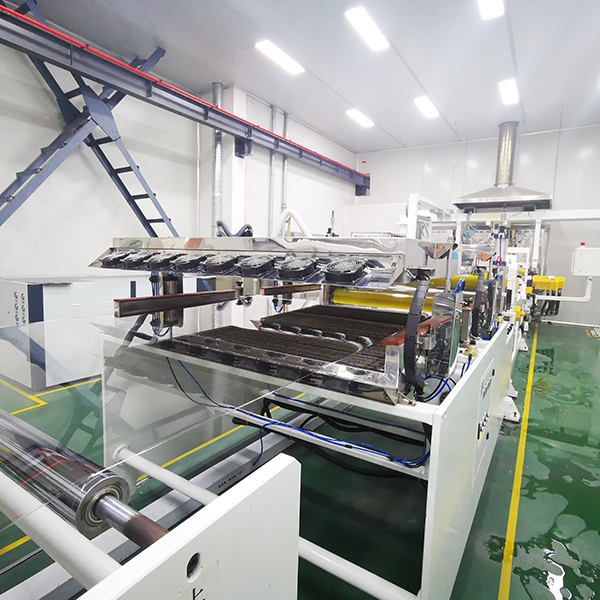
Transparent PVC Sheet for Folding Box Printing & Packaging
Wallis transparent PVC sheet for folding box packaging is a clear rigid plastic material designed for printing, die cutting, creasing, folding and packaging conversion. It combines high product visibility with practical rigidity, making it suitable for clear folding boxes, transparent retail packaging, packaging windows and customized printed boxes.
Available in sheet and roll formats with thicknesses from 0.12 mm to 5 mm, Wallis PVC sheet can be supplied in standard or customized dimensions to match different printing machines, die-cutting equipment and packaging production lines.
For folding box manufacturers and printing converters, the correct PVC specification should be selected according to box size, required stiffness, printing method, crease design, die-cutting process and final packaging application. Sample testing is recommended before mass production, especially when printing, creasing and folding are performed in sequence.
What Is Transparent PVC Sheet for Folding Boxes?
Transparent PVC sheet is a rigid or semi-rigid polyvinyl chloride material used to manufacture clear folding boxes and transparent packaging components. Its see-through appearance allows consumers to view the packaged product while the PVC structure provides support and protection during handling, transportation and retail display.
For packaging conversion, PVC sheets can be printed, die cut, creased and folded into different box structures. Transparent PVC can also be combined with paperboard or other packaging materials to create clear windows that display products without requiring the entire package to be transparent.
The final folding performance depends on factors including PVC thickness, sheet formulation, crease depth, die-cutting parameters, folding direction and box structure. Packaging converters should therefore test the complete print-to-fold process before large-volume production.
Transparent PVC Folding Box Sheet Specifications
| Product | Transparent Printing PVC Sheet for Folding Box |
| Material | Rigid PVC / Polyvinyl Chloride |
| Color | Clear, White, Red, Black and Customized Colors |
| Supply Format | Sheet / Roll |
| Thickness | 0.12 mm–5 mm |
| Standard Sheet Sizes | 700 × 1000 mm, 1000 × 2000 mm, 1220 × 2440 mm or Customized |
| Roll Width | 580 mm, 600 mm, 800 mm and Customized Widths Below 1280 mm |
| Printing | Offset, Screen and Compatible Digital Printing Subject to Ink and Surface Testing |
| Converting | Die Cutting, Creasing, Folding, Vacuum Forming, Thermoforming and Other Converting Processes |
| Typical Packaging | Clear Folding Boxes, Window Boxes, Cosmetic Boxes, Gift Boxes, Electronics Packaging and Retail Packaging |
| Customization | Thickness, Sheet Size, Roll Width and Color According to Project Requirements |
Key Advantages of Clear PVC Sheet for Folding Box Packaging
High Transparency for Product Visibility
Clear PVC packaging allows customers to see the product directly without opening the box. This is particularly valuable for retail products where appearance, color, shape and presentation influence purchasing decisions.
Suitable for Die Cutting, Creasing and Folding
When an appropriate thickness and processing condition are selected, PVC sheet can be die cut and creased into folding box structures. Correct crease design and converting parameters help achieve cleaner folds and reduce the risk of excessive whitening or cracking around fold lines.
Printable Surface for Customized Packaging
Transparent PVC can be combined with logos, product information, decorative graphics and branding elements through suitable printing processes. Printing compatibility should be confirmed with the selected PVC surface, ink system and production equipment.
Good Rigidity for Retail Packaging
Rigid PVC provides more structural support than many flexible packaging films. This makes it useful for folding boxes and clear packaging that need to maintain their shape during filling, transport and retail display.
Custom Thickness and Dimensions
Different packaging designs require different levels of flexibility and rigidity. Wallis supplies multiple thicknesses, sheet sizes and roll widths so packaging manufacturers can match the PVC material to their cutting, printing and box-making equipment.
Why Folding Performance Matters for PVC Packaging
A transparent PVC sheet may look suitable before processing but still produce poor folding results if the thickness, crease geometry or converting settings are incorrect. For folding box production, the material must work as part of the complete printing, die-cutting, creasing and folding process.
Creasing Quality
The crease must provide enough definition for accurate folding without causing unnecessary surface damage. Crease width and depth should be adjusted according to PVC thickness and box structure.
Resistance to Whitening at Fold Lines
Transparent packaging makes fold-line appearance especially visible. Material selection and optimized creasing conditions can help reduce stress whitening and maintain a cleaner appearance around folded edges.
Dimensional Stability
Stable sheet dimensions help improve registration during printing and accuracy during die cutting. Consistent conversion is particularly important for folding boxes that require multiple panels, tabs and locking structures to align correctly.
Testing Before Production
For a new thickness, printing system or packaging structure, testing the actual PVC through printing, die cutting, creasing and folding is recommended before bulk orders.
Applications of Transparent PVC Folding Box Sheets
Cosmetics & Beauty Packaging
Clear folding boxes allow consumers to see cosmetic bottles, skincare products, makeup tools, beauty accessories and gift sets while providing space for printed branding and product information.
Food Display & Gift Packaging
Transparent boxes and window packaging can be used to display packaged confectionery, gifts and other food-related products. Where direct or regulated food-contact use is required, the appropriate material grade and compliance requirements should be confirmed for the destination market before ordering.
Electronics & Accessories Packaging
Transparent folding boxes can display cables, chargers, small electronic accessories, components and consumer electronics products while helping keep items organized and protected during retail presentation.
Gift & Promotional Packaging
PVC folding boxes provide a clear presentation format for promotional items, gifts, stationery, accessories and branded merchandise. Printing and custom box structures can be used to strengthen product identity.
Retail Product Packaging
Clear packaging is suitable for products where customers benefit from seeing the actual item before purchase, including toys, crafts, fashion accessories, stationery and various consumer products.
Transparent PVC Folding Box vs. PVC Window Packaging
Full Transparent Folding Box
A full transparent folding box uses clear plastic sheet for most or all structural panels. This format maximizes product visibility and is commonly selected for cosmetics, gifts, accessories, electronics and other visually driven retail products.
Clear Window Packaging
A PVC window can be integrated into paperboard packaging so that only part of the product remains visible. This format combines a printable paper surface with a transparent display area and can reduce the amount of clear plastic required compared with a full transparent box.
Which Option Should You Choose?
Choose a full transparent PVC folding box when maximum product visibility is the priority. Choose a clear window structure when the package requires larger opaque areas for graphics, instructions or branding while still allowing customers to view the product.
Printing Options for Transparent PVC Folding Boxes
Offset Printing
Offset printing can be used for suitable PVC substrates and is often considered for larger commercial production runs requiring detailed graphics. Ink and surface compatibility should be tested before production.
Screen Printing
Screen printing can produce strong graphic elements, logos and solid-color areas on transparent PVC. It is useful for packaging designs where selected printed areas need higher visual impact.
Digital Printing
Compatible digital printing systems can support customized graphics and shorter production runs. Printer type, ink system, material thickness and curing requirements should be confirmed before selecting the PVC grade.
Printing on Transparent Material
Because transparent PVC has no opaque white background, printed colors may appear different from the same artwork printed on white material. Where opacity is important, the printing process and artwork should be designed specifically for transparent substrates.
How to Choose PVC Sheet Thickness for Folding Boxes
Consider Box Size
Larger folding boxes generally require more structural support than smaller boxes. Sheet thickness should therefore be selected according to panel dimensions, box geometry and the amount of unsupported transparent area.
Consider Product Weight
Lightweight products may use thinner packaging structures, while heavier products may require increased sheet rigidity or additional structural support. The complete packaging design should be evaluated rather than choosing thickness based on appearance alone.
Consider Folding Requirements
Increasing thickness also changes creasing and folding behavior. The die, crease channel and folding parameters should be matched to the selected PVC thickness.
Consider Printing Equipment
If the PVC will be printed before converting, confirm that the printing equipment can handle the selected sheet size and thickness. This is especially important for digital systems with maximum media-thickness limitations.
PVC Folding Box Production Process
1. Select PVC Material
Confirm the required transparency, color, thickness, sheet or roll format and finished box structure.
2. Print Graphics
Apply logos, branding or product information using a printing process compatible with the selected PVC material.
3. Die Cut and Crease
The printed sheet is cut into the required box profile, and crease lines are created at the folding positions according to the structural design.
4. Fold and Form the Box
Panels are folded along the prepared crease lines. Depending on the design, the packaging may use locking tabs, adhesive areas or other assembly structures.
5. Inspect Finished Packaging
Finished boxes should be checked for clarity, scratches, print quality, fold-line appearance, dimensional accuracy and assembly performance before mass packing.
Why Choose Wallis for Transparent PVC Folding Box Sheet?
Wide Thickness Range
Wallis supplies PVC sheet from 0.12 mm to 5 mm, providing packaging converters with multiple options for different box structures and production requirements.
Sheet and Roll Supply
Material can be supplied as sheets or rolls according to printing, cutting and converting equipment, helping B2B customers select a format that matches their production workflow.
Custom Dimensions
Standard and customized sheet dimensions and roll widths are available, helping converters reduce unnecessary trimming and improve material utilization.
Support for Printing and Converting Projects
Providing your required thickness, box dimensions, printing method, die-cutting process and final application allows Wallis to better understand the project and discuss a suitable material specification.
Workshop & Export Packaging
Transparent packaging sheets require careful handling because scratches, dust and surface contamination can affect both product appearance and subsequent printing quality. Appropriate packaging helps protect PVC sheets and rolls during storage and international transportation.
![Wallis transparent PVC sheet production workshop]()
![Export packaging for transparent PVC folding box sheet]()
FAQ About Transparent PVC Sheet for Folding Boxes
What is transparent PVC sheet used for in folding box packaging?
Transparent PVC sheet is used to create full clear folding boxes, transparent packaging panels and window packaging. It allows products to remain visible while providing a printable and convertible plastic structure.
What thicknesses of PVC sheet does Wallis offer?
The current product range covers thicknesses from 0.12 mm to 5 mm. The appropriate thickness depends on box dimensions, product weight, desired rigidity, printing method and folding requirements.
Can transparent PVC sheet be printed?
Yes. Suitable transparent PVC grades can be used with printing methods such as offset printing, screen printing and compatible digital printing. Ink adhesion and surface compatibility should be tested before production.
Can PVC sheet be die cut, creased and folded?
Yes. PVC sheet can be converted through die cutting, creasing and folding when suitable material thickness and processing parameters are used. Testing helps optimize fold appearance and reduce excessive stress whitening or cracking.
Why does transparent PVC sometimes turn white on a fold line?
Visible whitening can occur when transparent plastic experiences concentrated stress during creasing or folding. The result can be influenced by sheet thickness, crease geometry, processing conditions and material characteristics. Production trials are recommended for critical transparent packaging.
Can Wallis supply both PVC sheets and rolls?
Yes. Wallis supplies both sheet and roll formats. Standard sheet sizes include 700 × 1000 mm, 1000 × 2000 mm and 1220 × 2440 mm, while customized dimensions can also be discussed.
Can transparent PVC be used for cosmetic packaging?
Yes. Clear folding boxes are commonly used to display cosmetics, skincare products, beauty accessories and gift sets because the transparent structure allows consumers to view the product and packaging presentation.
Is transparent PVC suitable for food packaging?
Suitability depends on whether the PVC will have direct food contact and on the regulatory requirements of the destination market. Buyers should specify the final application so the required material grade and compliance documentation can be confirmed before ordering.
What is the difference between a full clear PVC box and a PVC window box?
A full clear PVC box uses transparent plastic for most or all of the package structure, providing maximum product visibility. A PVC window box typically combines paperboard packaging with a smaller clear plastic panel.
Can custom colors and sizes be supplied?
Wallis offers clear and colored PVC options together with multiple thicknesses, standard sheet sizes and customized dimensions. Contact Wallis with your required thickness, size, color and quantity for specification confirmation.
What information should I provide when requesting a quotation?
Please provide the required thickness, sheet size or roll width, color, quantity, printing method, box dimensions, die-cutting or creasing requirements and final packaging application. These details help determine a more suitable PVC specification and quotation.
Can I test samples before bulk production?
For new folding box projects, sample testing is recommended before bulk production. Testing the actual printing, die-cutting, creasing and folding process helps verify whether the selected PVC specification matches your production requirements.