Transparent PVC Sheet for Clear Window & Folding Box Packaging
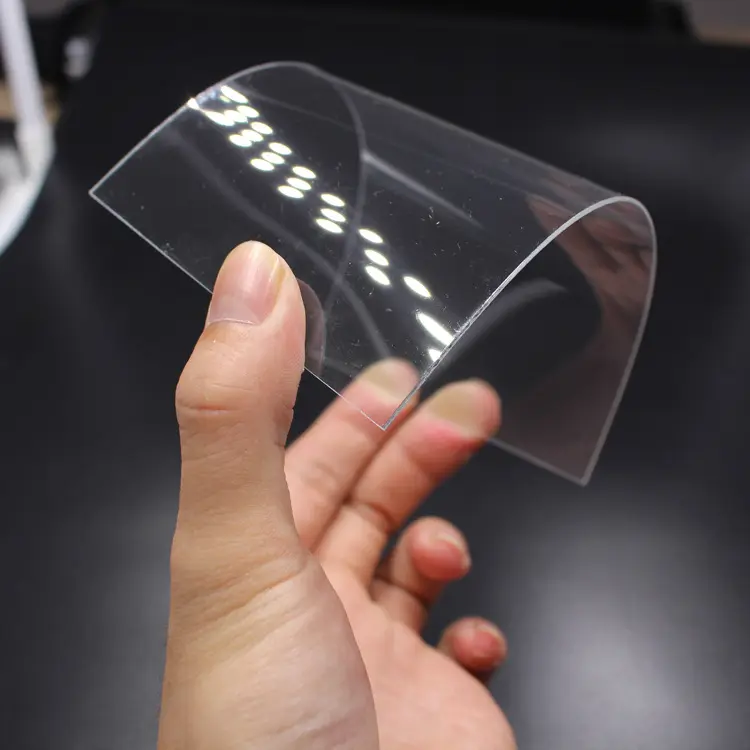
Wallis supplies transparent PVC sheet for clear window boxes, folding boxes and custom retail packaging. The clear rigid PVC material combines product visibility, dimensional stability, folding performance and converting flexibility for packaging manufacturers, printing companies, converters and brand owners.
Available in sheet and roll formats, Wallis clear PVC can be customized by thickness, width, sheet size, shape and surface-processing requirement. It can be evaluated for die cutting, creasing, folding, printing, stamping, varnishing, window patching, vacuum forming and thermoforming according to the selected PVC grade.
For packaging projects, the correct specification should be selected according to whether the material will be used as a thin carton window, a complete transparent folding box, a printed plastic package or a formed packaging component. Thickness, stiffness, print treatment and folding behavior should therefore be confirmed before bulk production.
What Is Transparent PVC Sheet for Packaging?
Transparent PVC sheet is a clear thermoplastic material manufactured from polyvinyl chloride. For packaging applications, rigid or semi-rigid grades can provide a useful combination of clarity, toughness, stiffness and convertibility.
Clear PVC is commonly converted into complete transparent folding boxes or used as a window patch inside paperboard cartons. The material allows the packaged product to remain visible while providing a physical barrier against dust and direct handling.
The most suitable PVC grade depends on the converting method. A thin film used as a carton window has different stiffness and folding requirements from a thicker sheet used to manufacture a complete transparent plastic box.
Clear PVC Packaging Sheet Specifications
Wallis provides a broad PVC sheet and roll range. The complete production range is wider than the gauges normally required for folding packaging, so the final thickness should be matched to the exact box structure and processing method.
| Product | Transparent PVC Sheet / Clear Rigid PVC Packaging Film |
| Material | PVC |
| Color | Clear transparent; customized transparent colors can be discussed |
| Supply Format | Sheet or roll |
| Wallis PVC Thickness Range | Approximately 0.12–5 mm; select the suitable packaging gauge according to application |
| Standard Sheet Sizes | 700 × 1000 mm, 1000 × 2000 mm, 1220 × 2440 mm and customized dimensions |
| Typical Roll Widths | 580 mm, 600 mm, 800 mm and customized widths below approximately 1280 mm, subject to confirmation |
| Shape | Rectangle, square, circular, oval and customized die-cut shapes |
| Surface Processing | Embossing, stamping, UV coating, varnishing, lamination and foil decoration according to project requirements |
| Printing | UV, screen, offset and other compatible printing processes subject to PVC surface and ink validation |
| Converting | Die cutting, creasing, folding, gluing, vacuum forming and thermoforming depending on grade |
| Applications | Window boxes, clear folding boxes, printed packaging, retail displays and formed packaging components |
| Customization | Thickness, width, sheet size, color, surface, printing, cutting and packaging |
Clear Window Film vs Full Transparent Folding Box
“Clear box packaging” can describe two different constructions. Buyers should identify which structure they need before choosing thickness and stiffness.
PVC Window Patch for Paperboard Cartons
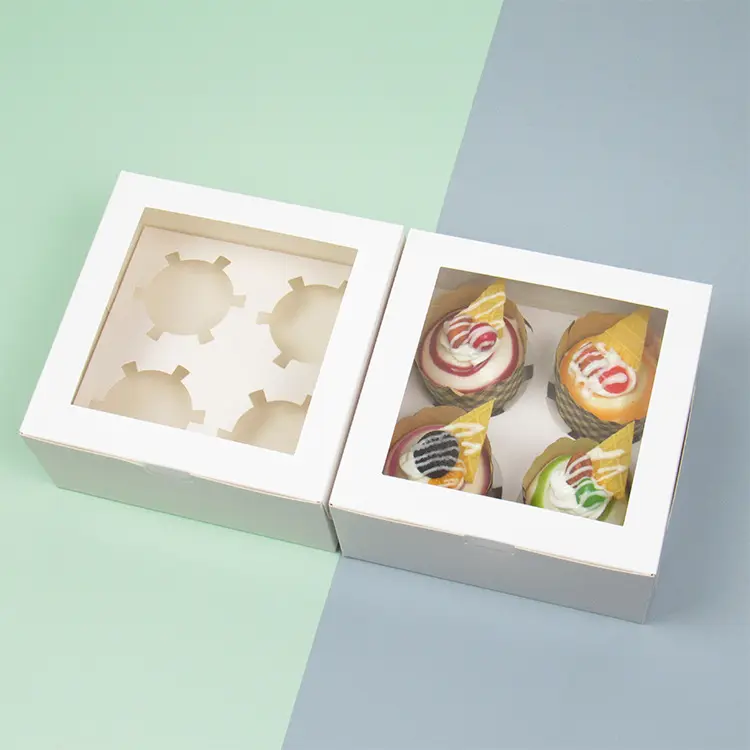
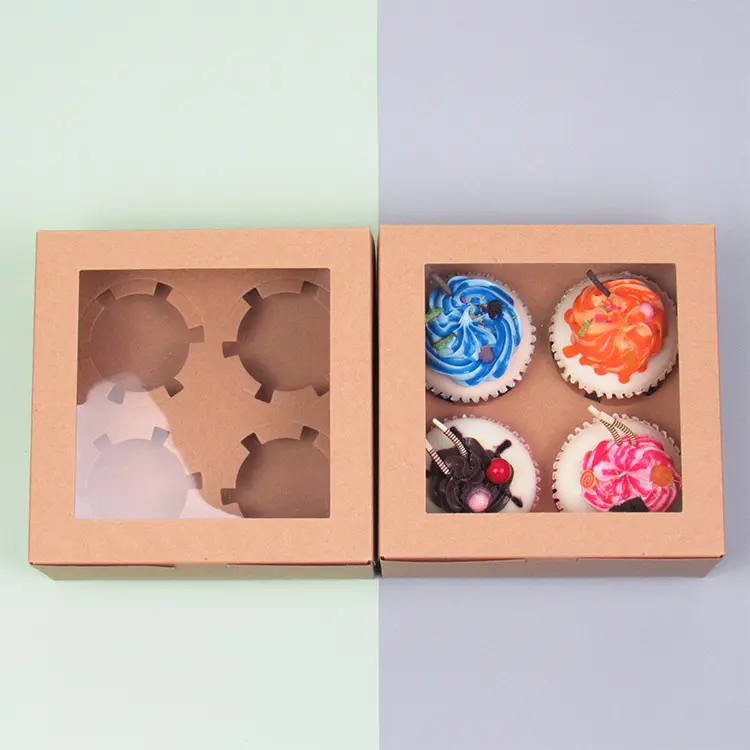
In window-box packaging, a clear PVC film is cut to the required window dimensions and attached to the inside of a paperboard carton. This format allows consumers to view the product while the paperboard provides most of the box structure and printed branding.
Window applications generally prioritize transparency, flatness, die-cutting behavior, adhesive compatibility and economical gauge.
Full Transparent PVC Folding Box
A full clear folding box uses transparent plastic as the primary box body. The PVC sheet is printed or decorated where required, die-cut, creased and folded into the finished package.
These projects place greater emphasis on stiffness, crease performance, dimensional stability, folding recovery, surface appearance and glue or locking-tab performance.
Key Advantages of Clear PVC for Folding & Window Boxes
High Product Visibility
Transparent packaging allows customers to inspect the product without opening the box. Clear visibility can be especially useful for cosmetics, gifts, toys, stationery, accessories and decorative retail products where appearance is an important part of purchasing decisions.
Good Cutting & Punching Performance
Suitable rigid PVC grades can be die-cut and punched into customized packaging shapes. Correct tool design, material thickness and processing conditions help produce clean edges and stable dimensions.
Folding & Creasing Capability
Folding-box applications require controlled crease formation so the plastic bends along the intended line without excessive whitening, cracking or uncontrolled spring-back. Material gauge and creasing conditions should be tested together.
Printable & Decorative Surface
Custom logos, product information, decorative graphics and specialty effects can be added using compatible printing and finishing systems. This allows packaging designers to retain product visibility while adding branded content.
Moisture-Resistant Plastic Substrate
Unlike paperboard, PVC does not absorb ordinary environmental moisture in the same manner as paper fibers. This can help maintain the appearance of transparent packaging under normal storage and retail conditions.
How to Choose the Right PVC Thickness for Packaging
Thickness affects transparency, flexibility, box stiffness, crease performance, cutting force, material consumption and shipping weight. The Wallis PVC range extends from approximately 0.12 mm to 5 mm, but packaging buyers should select only the gauge appropriate for their specific box construction.
Thin PVC for Window Patching
Carton windows generally require less structural stiffness because the paperboard carries the load. Buyers should prioritize clarity, lay-flat behavior, cutting performance and bonding compatibility.
Medium PVC for Folding Boxes
Complete transparent folding boxes require enough stiffness to hold their shape while remaining suitable for die cutting, scoring and folding. Product weight and finished box dimensions should be considered together.
Thicker PVC for Rigid or Formed Components
Greater thickness may be required for display structures, thermoformed inserts or protective components where rigidity is more important than easy folding.
Sample the Actual Box Structure
The most reliable way to select thickness is to produce a prototype using the actual box dimensions, crease design, product weight and closure system before approving a bulk PVC order.
Printing & Decoration Options for Clear PVC Packaging
Clear packaging does not need to be completely unprinted. Logos, product information, borders and decorative graphics can be added while leaving selected areas transparent for product visibility.
UV Printing
Compatible UV ink systems can produce full-color graphics and opaque design elements on clear PVC. Surface treatment, ink adhesion and curing conditions should be validated using the actual printing equipment.
Screen Printing
Screen printing can be useful for logos, spot colors, white ink, decorative patterns and repeated packaging graphics. PVC-compatible inks should be selected.
Offset Printing
Suitable rigid PVC grades can be evaluated for compatible offset printing systems. Ink adhesion, drying or curing and sheet feeding should be confirmed before commercial production.
Foil Stamping & Decorative Finishing
Gold foil, stamping, embossing, varnishing and other decorative effects can be discussed for premium cosmetics, gifts and promotional packaging. Process temperature and adhesion need to match the PVC material.
White Ink on Clear PVC
Printing on a transparent substrate differs from printing on white paperboard. White ink can be used as an opaque base behind selected colors or graphics where higher contrast is required.
Die Cutting, Creasing, Folding & Gluing
Die Cutting
Cutting rules, pressure and material gauge should be matched to the PVC to produce consistent box dimensions and clean edges without excessive burrs or deformation.
Creasing
Crease depth and geometry affect how easily a clear PVC box folds. Packaging converters should test scoring conditions to reduce cracking, excessive whitening or uncontrolled spring-back.
Folding
Folding performance depends on PVC formulation, thickness, temperature and crease preparation. Physical trials are recommended for box designs with tight folds or multiple overlapping panels.
Gluing & Bonding
Adhesive performance varies with PVC surface, adhesive chemistry, glue area and packaging environment. The intended adhesive should be tested on the actual material before mass production.
Transparent PVC vs PET & PETG for Clear Boxes
PVC, PET and PETG can all be used for transparent packaging, but they have different processing characteristics and market considerations. The best material should be selected according to the box design, printing process, folding requirements, forming process, sustainability goals and destination-market requirements.
| Selection Factor | PVC | PET / PETG |
| Clarity | High clarity available for packaging-grade material | High clarity available depending on polymer and grade |
| Folding | Suitable grades can provide good creasing and folding performance | Suitable folding grades are also widely used for transparent boxes |
| Printing | UV, screen, offset and decoration subject to surface compatibility | Multiple printing systems available according to surface grade |
| Thermoforming | Thermoforming grades available | PETG is commonly selected where forming performance is important |
| Recycling Considerations | Depends on local PVC collection and recycling infrastructure | PET packaging may align more readily with PET recycling streams in markets where appropriate systems exist |
| Best Choice | Evaluate when clarity, folding, fabrication and cost-performance fit the project | Evaluate when PET-specific processing or recycling requirements are priorities |
Packaging buyers should also verify current material restrictions, labeling requirements, recycling rules and customer sustainability specifications in the destination market before selecting PVC, PET or PETG.
Applications of Transparent PVC Packaging Sheet
Cosmetics & Beauty Packaging
Transparent boxes and carton windows can display perfume bottles, cosmetics, skin-care products, makeup sets and beauty accessories while retaining space for printed branding.
Toys & Collectible Packaging
Clear windows help customers see figurines, toys, collectibles and accessories without opening the package. Window dimensions and PVC thickness should be selected according to carton size and product weight.
Gift & Promotional Packaging
Full transparent boxes and hybrid paperboard/PVC designs can be used for gift sets, promotional products, event merchandise and premium retail presentation.
Electronics & Accessories
Chargers, cables, adapters, device accessories and small components can be displayed through a clear PVC box or window while remaining organized inside the package.
Stationery & Craft Packaging
Pens, craft sets, stationery, small tools and creative products can use clear-box packaging where visual product identification is useful.
Selected Food Display Packaging
Clear windows are also used in bakery, confectionery and gift-food cartons. If PVC will directly contact food, buyers should specify an appropriate food-contact grade and confirm compliance with the applicable regulations in the destination market. A general clear PVC packaging grade should not automatically be treated as food-contact approved.
Custom Transparent PVC Sheet for OEM Packaging
Custom Thickness
Specify the required gauge or provide the finished box size, product weight and construction so the suitable stiffness can be evaluated.
Custom Sheet & Roll Width
Customized dimensions can help match printing presses, die-cutting layouts, window-patching equipment and finished packaging dimensions while reducing unnecessary trimming.
Clear or Tinted Color
Clear transparent PVC is the standard visual-packaging option. Customized transparent colors can also be discussed for branded or decorative packaging projects.
Custom Shapes & Window Designs
Window patches and converted PVC components can be cut into rectangular, square, round, oval and project-specific shapes according to the packaging drawing.
Custom Printing & Logo Decoration
Logo printing, decorative patterns, foil stamping, varnishing and other finishing requirements can be discussed after the PVC grade and production process are confirmed.
Protective Surface Film
For projects where surface scratching is critical, protective-film requirements can be discussed to help preserve clarity during transportation, cutting and fabrication.
Quality Factors for Clear Packaging Film
Optical Clarity
Transparent packaging should be evaluated for haze, surface defects, scratches and visual distortion because these factors directly affect product presentation.
Thickness Consistency
Stable gauge helps maintain consistent stiffness, cutting behavior, crease formation and finished-box dimensions throughout a production run.
Lay-Flat Performance
Flat material is important for printing, window patching, die cutting and automated feeding. Roll curl or distorted sheets can reduce packaging-line efficiency.
Surface Cleanliness
Dust, oil and contamination can reduce print and adhesive performance. Clear packaging also makes surface contamination more visually noticeable than on opaque materials.
Sample Testing Before Bulk Production
Packaging converters should evaluate representative material using the actual printing, die-cutting, creasing, folding and bonding process before approving a large order.
Print Adhesion Test
Verify ink adhesion, curing and appearance with the intended printing system and surface treatment.
Folding & Crease Test
Produce the actual crease design and inspect the fold for whitening, cracking, recovery and finished-box shape.
Adhesive Test
Evaluate the selected adhesive under expected storage and transportation conditions rather than assuming all packaging glues bond equally to PVC.
Finished Packaging Test
Test the complete package with the real product to confirm stiffness, closure performance, product fit, stacking and visual presentation.
What Information Should Buyers Provide for a Quotation?
Packaging Type
Specify whether you need PVC for a carton window, a complete clear folding box, printed packaging or a thermoformed component.
Required Thickness
Provide the required gauge or send the existing packaging specification if you are replacing another supplier.
Sheet or Roll Dimensions
Include the required sheet length and width or roll width, roll length and core requirements.
Printing Method
Tell Wallis whether the material will be UV printed, screen printed, offset printed, foil stamped or otherwise decorated.
Converting Process
Identify the die-cutting, window-patching, folding, gluing, vacuum-forming or thermoforming process that will be used.
Finished Product & Box Dimensions
Box dimensions and product weight help determine whether the selected PVC gauge provides sufficient stiffness.
Compliance Requirements
If the package requires food-contact, restricted-substance, recycled-content or destination-market documentation, provide the applicable requirement before material selection.
Estimated Order Quantity
Include sample requirements, initial order quantity and forecast repeat volume so the appropriate sheet or roll configuration can be evaluated.
Storage & Handling of Transparent PVC Sheet
Store transparent PVC sheet in a clean, dry environment away from excessive heat and direct sunlight. Material should remain properly supported to reduce distortion, curl or surface damage during storage.
Before printing or gluing, keep the surface free from dust, oil, fingerprints and contamination. Where protective masking is supplied, remove it according to the production process and avoid unnecessarily exposing the finished visual surface before conversion.
Workshop & Export Packaging
Clear packaging material is visually sensitive to scratches, dust and surface marks. Appropriate production handling and export packaging help protect sheet clarity and flatness during storage and international transportation.
![Wallis transparent PVC packaging sheet production workshop]()
![Transparent PVC sheet professional export packaging]()
FAQ About Transparent PVC Sheet for Clear Boxes
What is transparent PVC sheet used for in packaging?
Transparent PVC sheet can be used for carton windows, complete clear folding boxes, printed plastic packaging, display components and selected vacuum-formed or thermoformed packaging applications.
What thickness of PVC is suitable for a clear folding box?
The correct thickness depends on box dimensions, product weight, required stiffness, crease design and closure structure. Wallis offers PVC across a broad 0.12–5 mm range, but the appropriate packaging gauge should be selected by prototype testing.
What thickness should I use for a carton window?
Window patches generally use thinner material than complete clear boxes because the paperboard carton provides the main structural support. Required gauge depends on window size, patching equipment, flatness and adhesive requirements.
Can clear PVC sheet be die-cut and folded?
Yes. Suitable rigid PVC packaging grades can be die-cut, creased and folded. Die design, material gauge and crease conditions should be tested to obtain clean edges and stable folding performance.
Can transparent PVC sheet be printed?
Suitable PVC grades can be processed using compatible UV, screen, offset and other printing systems. Ink adhesion and curing should be tested with the actual PVC surface and production equipment before bulk printing.
Can I print white ink on clear PVC?
White ink can be used in compatible printing systems to create opaque logos, text or backing areas on a transparent substrate. Printing compatibility should be confirmed with the selected ink and PVC grade.
Can PVC clear boxes be foil stamped?
Foil stamping and other decorative finishing can be discussed for suitable PVC grades. The foil, adhesive system, temperature and dwell conditions should be matched to the material.
Can transparent PVC be glued to paperboard?
PVC window film can be bonded to paperboard using an appropriate packaging adhesive. Bond performance depends on adhesive chemistry, PVC surface, carton coating and storage conditions, so production testing is recommended.
Is PVC suitable for thermoforming?
Selected PVC grades can be used for vacuum forming and thermoforming. Forming temperature, draw depth, sheet thickness and finished-product requirements should be confirmed before selecting the material.
Is transparent PVC suitable for food packaging?
Food-contact use requires an appropriate food-contact grade and documentation applicable to the final product and destination market. Standard clear PVC packaging material should not automatically be assumed to be approved for direct food contact.
What is the difference between PVC and PET clear box material?
Both can provide clear packaging, but they differ in processing characteristics, forming behavior and recycling considerations. Selection should be based on box design, equipment, printing, sustainability targets and destination-market requirements.
Can Wallis customize the sheet dimensions?
Yes. Standard sheet and roll formats are available, and customized widths or sheet dimensions can be discussed according to printing, die-cutting and packaging-production requirements.
Can Wallis provide transparent colored PVC?
Clear is the standard option for visual packaging, while customized transparent colors can be discussed for selected branding and decorative projects.
Can I request samples before ordering?
Sample evaluation is recommended for checking clarity, thickness, stiffness, printing, cutting, folding and adhesive compatibility before commercial production.
What information should I provide for a quotation?
Please provide the packaging type, PVC thickness, sheet or roll dimensions, printing process, die-cutting or folding requirements, finished box dimensions, product weight, compliance requirements and estimated purchasing quantity.
Looking for a Clear PVC Packaging Sheet Supplier?
Send Wallis your required thickness, sheet or roll size, clear-box structure, printing process, die-cutting requirements and purchasing quantity. We can discuss transparent PVC sheet for carton windows, clear folding boxes, printed packaging and OEM retail packaging projects.
If you are replacing an existing packaging material, provide the current PVC specification or a physical sample so clarity, stiffness, surface and converting performance can be evaluated before bulk production.