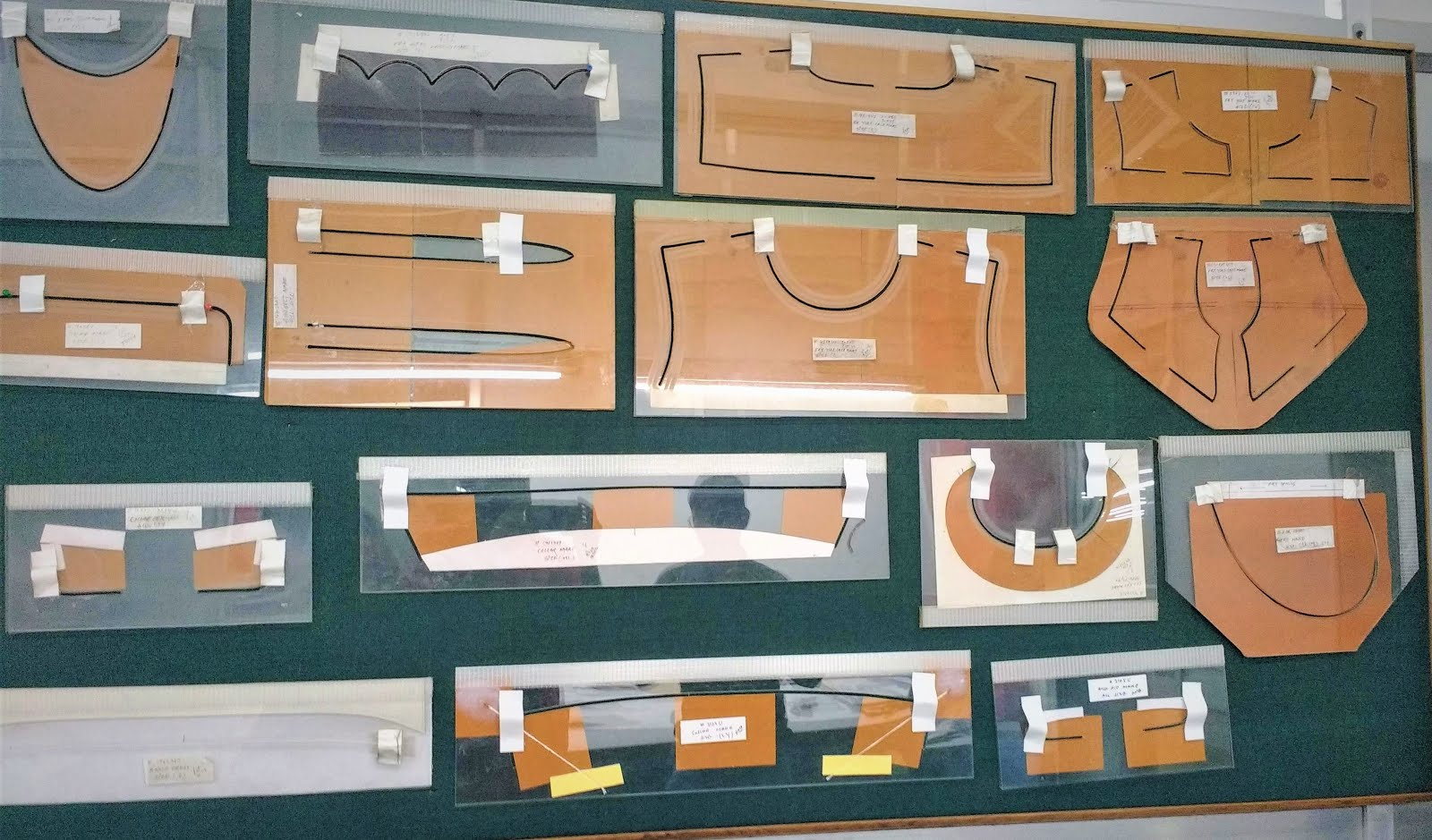
PVC Garment Template Sheet for Pattern Cutting & Apparel Production
Wallis PVC garment template sheet is a rigid plastic material designed for garment pattern making, apparel cutting guides, sewing templates and reusable production stencils. Its stable sheet structure helps clothing manufacturers transfer pattern shapes repeatedly during fabric cutting and sewing preparation.
Available in thicknesses from 0.05 mm to 6.0 mm, Wallis rigid PVC sheet can be supplied in standard sizes including 700 × 1000 mm, 915 × 1830 mm and 1220 × 2440 mm, as well as customized dimensions. Transparent, translucent and opaque options are available with glossy, matte or frosted surfaces.
For professional garment factories, pattern rooms and apparel manufacturers, the correct sheet specification should be selected according to template size, desired rigidity, cutting method, transparency, marking requirements and expected reuse frequency. Sample testing is recommended when introducing a new thickness or cutting process.
PVC Garment Template Sheet Specifications
| Parameter | Specification |
| Product | PVC Garment Template Sheet / Rigid PVC Sheet |
| Material | PVC / Polyvinyl Chloride |
| Supply Format | Sheet / Roll According to Specification |
| Thickness | 0.05 mm–6.0 mm |
| Standard Sizes | 700 × 1000 mm, 915 × 1830 mm, 1220 × 2440 mm or Customized |
| Color | Various Colors, Clear or Opaque |
| Transparency | Transparent / Translucent / Opaque |
| Surface | Glossy / Matte / Frost |
| Garment Applications | Garment Pattern Templates, Fabric Cutting Guides, Sewing Templates, Apparel Stencils and Pattern-Room Tools |
| Other Applications | Vacuum Forming, Packaging, Book Covers, Folding Boxes and Other Plastic Converting Applications |
| Customization | Thickness, Sheet Size, Color, Transparency and Surface Finish |
What Is a PVC Garment Template Sheet?
A PVC garment template sheet is a rigid or semi-rigid plastic sheet used to create reusable garment patterns, cutting guides and production stencils. After a clothing pattern has been developed and approved, its shape can be transferred to PVC so the same pattern can be repeatedly used during apparel production.
Compared with temporary paper or cardboard patterns, a plastic template provides a more durable edge and is better suited to production environments where the same style or component must be marked or cut repeatedly.
Transparent PVC is especially useful when operators need to see fabric markings, grain direction, printed patterns or alignment points beneath the template. Translucent and opaque sheets can also be selected when visibility through the template is not required.
Why Apparel Manufacturers Use PVC Pattern Templates
Repeatable Pattern Shape
Once a pattern has been converted into a rigid PVC template, operators can repeatedly trace or position the same outline. This helps maintain consistency between production batches and reduces the variation associated with damaged or distorted temporary patterns.
Clear Visibility for Pattern Alignment
Transparent PVC allows operators to see the fabric beneath the template. This can be useful when aligning checks, stripes, printed motifs, reference marks or other visual features before tracing or cutting.
Reusable Production Tool
Rigid plastic templates can be stored and reused for repeat orders, standard garment components and recurring production styles, reducing the need to recreate temporary pattern guides each time.
Easy Identification and Marking
Pattern numbers, sizes, sewing references, grain direction, notches and identification information can be added to templates using compatible marking, printing or engraving processes.
Custom Thickness for Different Template Types
Different template functions require different levels of flexibility and rigidity. Wallis offers a broad 0.05–6.0 mm product range so buyers can select material according to the actual pattern-making and fabrication process.
Applications in Garment & Textile Manufacturing
Garment Pattern Templates
PVC sheets can be converted into reusable master patterns for shirts, trousers, jackets, dresses, uniforms and other apparel products. Finished patterns can be labeled and stored for repeat manufacturing.
Fabric Cutting Guides
Rigid templates can serve as physical guides for manual marking and selected cutting operations, helping operators follow a consistent outline when producing repeated fabric components.
Sewing Templates
PVC templates can also be fabricated for sewing-position references, pockets, collars, cuffs, labels, decorative stitching and other standardized garment operations.
Apparel Production Stencils
Factories can create reusable stencils for positioning logos, labels, buttons, holes, pockets and other garment details where repeatable placement is required.
Sample Rooms & Pattern Rooms
Approved patterns can be transferred to more durable PVC material for storage in garment development departments, sample rooms and production pattern libraries.
Key Benefits of PVC Rigid Sheet for Garment Templates
Durable Edges for Repeated Handling
Rigid PVC provides a more durable pattern edge than ordinary paper materials, making it suitable for garment factories that repeatedly handle and trace the same production patterns.
Good Shape Retention
The rigid structure helps templates maintain their intended shape during normal storage and repeated pattern-room use. Appropriate thickness should be selected for large patterns or applications requiring greater stiffness.
Easy Custom Cutting
PVC sheets can be mechanically cut and shaped into garment panels, curves, openings, notches and other pattern details. The cutting process should be selected according to sheet thickness and required edge accuracy.
Multiple Transparency Options
Transparent, translucent and opaque sheets give pattern makers flexibility to choose between maximum fabric visibility and stronger visual differentiation between template categories.
Multiple Surface Finishes
Glossy, matte and frosted surfaces can be selected according to handling, visibility and marking requirements. Buyers should test pens, inks or printing processes with the selected surface before bulk production.
Custom Sizes for Pattern-Room Efficiency
Standard and customized sheet dimensions allow apparel factories to match raw material more closely to their pattern dimensions and cutting equipment, helping reduce unnecessary trimming.
How to Choose PVC Sheet Thickness for Garment Templates
Wallis offers a broad PVC thickness range from 0.05 mm to 6.0 mm. However, the entire range should not be interpreted as equally suitable for every garment-template process. The appropriate gauge depends on the required flexibility, stiffness, template dimensions and cutting method.
Flexible Template Requirements
Thinner PVC provides greater flexibility and lower weight. It can be evaluated where the pattern does not require substantial rigidity and where easy handling or roll-format supply is more important.
General Reusable Pattern Templates
For reusable master patterns, buyers should select a thickness that provides enough edge rigidity for tracing and handling while remaining practical for cutting and storage.
Large or More Rigid Templates
Larger templates or fixtures requiring greater stiffness may need a thicker PVC sheet. Template dimensions, storage method and cutting equipment should be considered before selecting heavier gauges.
Test Before Standardizing a Thickness
If your factory is changing from cardboard, another plastic or a different PVC gauge, testing samples can help determine the best balance between rigidity, cutting speed, edge quality, weight and cost.
Transparent vs. Opaque PVC for Garment Patterns
Transparent PVC
Transparent templates allow operators to see the fabric beneath the sheet, which is useful when aligning stripes, checks, printed designs, fabric defects or existing reference marks.
Translucent PVC
Translucent material provides partial visibility while making the template easier to distinguish from the fabric surface. It can offer a practical compromise between visibility and identification.
Opaque or Colored PVC
Opaque and colored templates can help factories organize patterns by garment style, size, department or process where see-through alignment is not required.
Cutting, Marking & Engraving PVC Garment Templates
Mechanical Cutting
Depending on thickness, rigid PVC can be processed using suitable mechanical cutting equipment. Thin sheets and heavier rigid sheets require different tooling, so the cutting method should be matched to the selected gauge.
CNC Cutting & Routing
CNC equipment can be used for suitable rigid PVC gauges when garment factories require repeatable curves, slots, openings or more complex template geometry. Tooling should be optimized for PVC and the required edge finish.
Pattern Marking
Pattern names, garment sizes, grain direction, sewing references and production codes can be added using compatible pens, inks, labels or printing processes. Test adhesion and legibility on the selected glossy, matte or frosted surface.
Notches and Reference Holes
PVC templates can be fabricated with alignment holes, positioning marks, sewing notches and other reference features required by the garment production process.
PVC Garment Templates vs. Cardboard & Metal Templates
| Template Material | Main Advantages | Key Considerations |
| Rigid PVC Sheet | Reusable, moisture-resistant, available transparent, easy to customize | Thickness should match cutting method and required stiffness |
| Cardboard | Low initial cost and easy manual cutting | Edges and shape can deteriorate more quickly under repeated handling or moisture |
| Metal | High rigidity and durable edges | Heavier and generally more difficult to modify or fabricate |
How PVC Templates Support Garment Production Consistency
In apparel manufacturing, an approved garment pattern may be reused across multiple production orders. A durable physical template gives pattern-room and cutting-room teams a fixed reference that can be labeled, organized and retrieved when the same style is produced again.
Templates can also be separated by size, style number, fabric type or operation. Colored and opaque PVC options can help create a visual organization system, while transparent sheets can be reserved for applications requiring precise fabric alignment.
For large apparel factories, the important purchasing criteria are therefore not only PVC price, but also thickness consistency, sheet dimensions, transparency, surface condition, cutting behavior and repeatability between orders.
How to Specify PVC Garment Template Sheets for Your Factory
1. Define the Template Application
Specify whether the PVC will be used for master garment patterns, cutting guides, sewing templates, positioning stencils or another apparel manufacturing process.
2. Select the Required Thickness
Choose the thickness according to required flexibility, rigidity, template dimensions, handling frequency and cutting equipment. The full Wallis product range extends from 0.05 mm to 6.0 mm.
3. Select Sheet Dimensions
Standard sheet sizes include 700 × 1000 mm, 915 × 1830 mm and 1220 × 2440 mm. Customized dimensions can be considered when standard sheets create excessive material waste.
4. Choose Transparency
Select transparent material when fabric alignment is important, translucent material for partial visibility or opaque and colored material when pattern identification is the priority.
5. Select Surface Finish
Glossy, matte and frosted surfaces have different visual and handling characteristics. If templates will be printed or marked, test the selected ink or marking method on the required surface.
6. Confirm Cutting Method
Tell Wallis whether the material will be manually cut, mechanically cut, routed or processed using automated template-making equipment. This helps match the material specification to the production method.
What Information Should You Provide for a Quotation?
For a more accurate B2B quotation, please provide the following information whenever available:
Required PVC thickness
Required sheet size or roll dimensions
Transparent, translucent or opaque requirement
Required color
Glossy, matte or frosted surface
Garment template or other final application
Manual, mechanical or CNC cutting method
Printing, marking or engraving requirement
Required quantity
Destination market
Export packaging requirements
If you are replacing an existing garment-template material, providing a sample or current specification can help identify the required thickness, stiffness, transparency and surface characteristics more accurately.
Why Choose Wallis for PVC Garment Template Sheets?
Wide Thickness Range
Wallis offers PVC sheet from 0.05 mm to 6.0 mm, providing apparel manufacturers with multiple options for flexible patterns, reusable rigid templates and other plastic-sheet applications.
Multiple Standard Sheet Sizes
Available standard dimensions include 700 × 1000 mm, 915 × 1830 mm and 1220 × 2440 mm, with customized sizes available according to project requirements.
Different Transparency Options
Transparent, translucent and opaque PVC gives garment factories more flexibility when selecting material for alignment, identification and pattern organization.
Multiple Surface Finishes
Glossy, matte and frosted surfaces can be selected according to handling, marking, printing and visual requirements.
B2B Customization Support
Providing your garment-template application, thickness, dimensions, transparency, surface and processing method allows Wallis to evaluate a more suitable PVC specification for production testing.
Export Packaging
PVC garment template sheets should be protected from surface scratching, edge damage, deformation and contamination during storage and international transportation. Packaging requirements can be discussed according to sheet size, thickness, order quantity and shipment method.
![Professional export packaging for PVC garment template sheets]()
FAQ About PVC Garment Template Sheets
What is a PVC garment template sheet?
A PVC garment template sheet is a rigid or semi-rigid plastic sheet used to make reusable apparel patterns, fabric cutting guides, sewing templates and production stencils.
Why use PVC instead of cardboard for garment patterns?
PVC provides a more durable, moisture-resistant edge for patterns that are repeatedly handled, traced and stored. Cardboard can still be practical for temporary patterns or short development runs.
What thicknesses are available?
Wallis currently lists a PVC sheet thickness range of 0.05 mm to 6.0 mm. The best thickness for a garment template depends on required rigidity, sheet dimensions, cutting method and handling frequency.
What standard sheet sizes are available?
Standard dimensions include 700 × 1000 mm, 915 × 1830 mm and 1220 × 2440 mm. Customized sizes can also be discussed according to pattern dimensions and production requirements.
Can PVC garment template sheets be transparent?
Yes. Wallis offers transparent, translucent and opaque PVC options. Transparent sheets are particularly useful when operators need to align the template with fabric stripes, checks, prints or reference marks.
Can different colors be supplied?
Various colors are available according to the current product specification. Color can also be used to organize templates by garment size, style, process or production department.
What surface finishes are available?
Wallis lists glossy, matte and frosted PVC surfaces. Select the finish according to transparency, handling, marking and printing requirements.
Can PVC templates be marked with pattern information?
Yes. Pattern numbers, sizes, grain directions, alignment marks and production information can be added using a compatible marking, labeling, printing or engraving process. Test the selected marking method on the required surface first.
Can rigid PVC sheet be CNC cut?
Suitable rigid PVC gauges can be mechanically CNC cut or routed. Tooling, feed rate and processing method should be selected according to material thickness and required edge quality.
Can the templates include holes and notches?
Yes. Garment templates can be fabricated with alignment holes, sewing references, notches, positioning points and other features required by the clothing production process.
Can PVC garment templates be reused?
PVC templates are suitable for repeated use when the sheet thickness and fabrication method are appropriate for the application. Actual service life depends on handling, cutting contact, storage and template design.
How should garment templates be stored?
Store templates in a clean environment and avoid unnecessary heat, bending or heavy uneven loads. Large patterns can be stored flat or supported according to their thickness and rigidity.
Is PVC suitable for laser cutting?
Standard laser cutting is generally not the preferred processing method for PVC because heating PVC can generate corrosive and hazardous decomposition products. Mechanical cutting, die cutting or suitable CNC routing should be considered instead according to the required thickness and template design.
Are PVC garment templates recyclable?
PVC is a thermoplastic material, but actual recycling availability depends on local collection and recycling infrastructure, material formulation and contamination. Buyers with recycling requirements should confirm the available recycling route in their local market.
Can customized dimensions be supplied?
Yes. In addition to standard sheet dimensions, customized sizes can be discussed according to garment pattern dimensions, cutting equipment and material-utilization requirements.
Can I request a sample before placing a bulk order?
For new garment-template projects, sample evaluation is recommended so the factory can test rigidity, transparency, marking, cutting quality and handling before selecting the final production specification.
What information should I provide for a quotation?
Please provide the required thickness, sheet size, transparency, color, surface finish, cutting method, garment-template application, order quantity and destination market. These details help Wallis prepare a more suitable material specification and quotation.