Gold Mirror Acrylic Sheet 1–6mm for Signage, Displays and Decoration
Wallis gold mirror acrylic sheet is a decorative PMMA mirrored panel designed for signage, retail displays, furniture, interior decoration, event installations, branded environments and custom fabrication. It combines a premium metallic gold mirror appearance with the lightweight structure and machining flexibility of acrylic.
Available in 1–6 mm thickness, Wallis mirrored acrylic panels can be supplied in standard sizes including 1220 × 2440 mm / 4 × 8 ft as well as 1000 × 2000 mm, 1220 × 1830 mm and customized dimensions. Gold, silver and other mirror colors are available for B2B decorative and fabrication projects.
Custom services include cut-to-size processing, CNC routing, laser cutting or engraving, UV printing, optional adhesive backing, one-side or two-side mirror configurations and export packaging. Samples can be evaluated before bulk production for mirror color, surface quality and fabrication performance.
Gold Mirror Acrylic Sheet Specifications
| Property | Value / Range | Notes |
| Material | PMMA Acrylic | Mirrored decorative acrylic panel |
| Thickness | 1–6 mm | Standard listed production range |
| Standard Sheet Size | 1220 × 2440 mm / 4 × 8 ft | Custom sizes available |
| Other Listed Sizes | 1000 × 2000 mm / 1220 × 1830 mm | Cut-to-size service available |
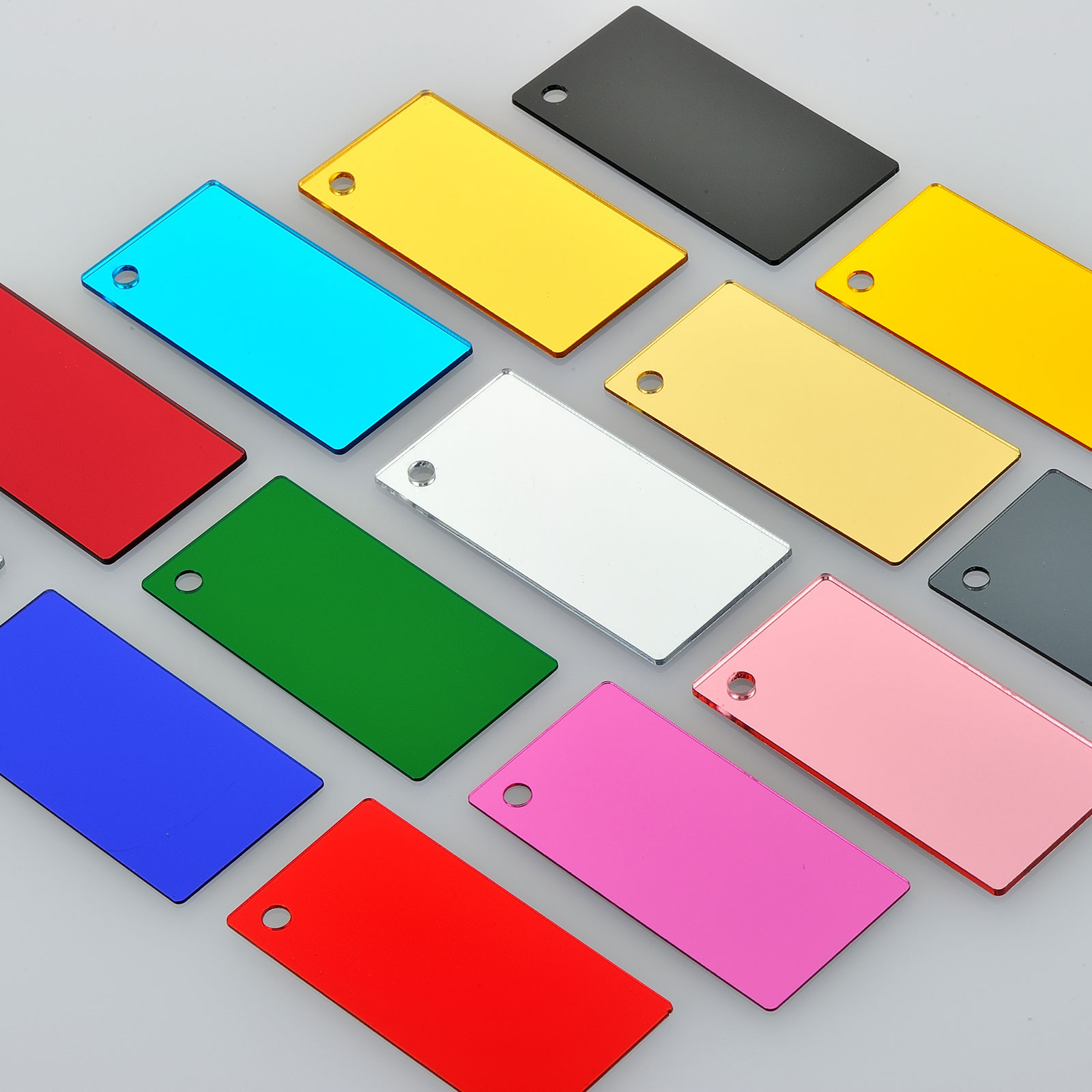
| Mirror Colors | Gold / Silver / Brown / Pink / Other Colors | Confirm color sample before bulk production |
| Mirror Configuration | One-Side Mirror / Two-Side Mirror Options | Subject to selected construction |
| Reflectivity | ≥90% | Current listed specification |
| Density | 1.19 g/cm³ | Lightweight compared with glass |
| Backing | Painted Backing / Protective Film | Designed to help protect the reflective layer |
| Light Transmission | <5% | Opaque mirrored appearance |
| Thermoforming Temperature | 150–160°C | Confirm forming process before production |
| Fabrication | Laser / CNC / Saw / Router / Drilling | Select process according to acrylic type and equipment |
| Printing | UV Printing Available | Custom branding and decoration projects |
| Adhesive Backing | Optional | Confirm installation surface and adhesive requirements |
| Customization | Size / Color / Cutting / Printing / Packaging | OEM / ODM support |
Note: Reflectivity, forming behavior, outdoor durability, mirror coating construction and fabrication parameters should be confirmed for the exact grade before mass production. Large mirror panels also require a sufficiently flat and rigid mounting surface to minimize visual distortion.
What Is Gold Mirror Acrylic Sheet?
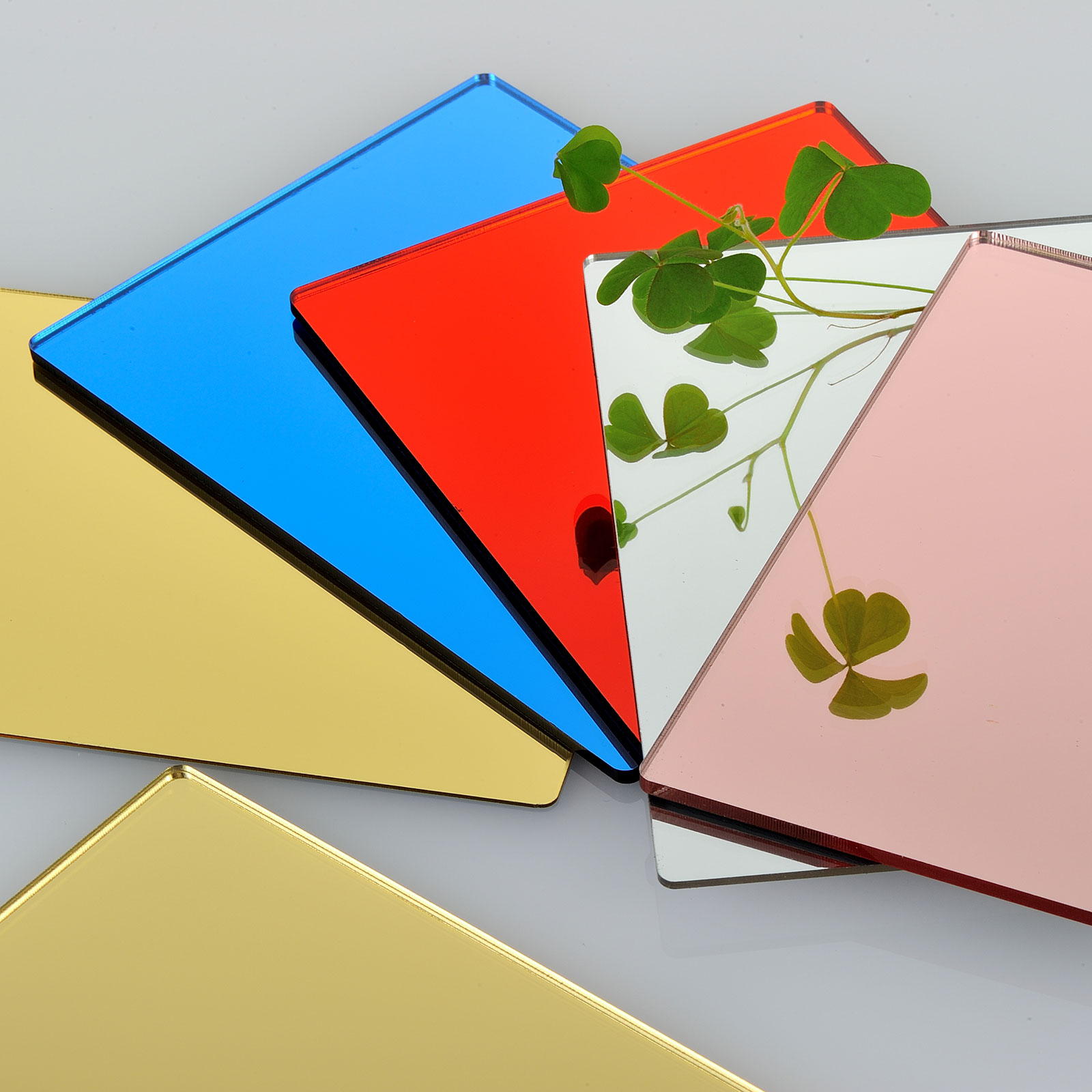
Gold mirror acrylic is a PMMA-based decorative sheet with a reflective mirror layer that produces a metallic gold appearance. The mirror layer is normally protected by a backing system so the finished front surface can provide a clean decorative reflection.
Unlike ordinary transparent or colored acrylic, mirrored acrylic is designed primarily as a reflective decorative surface. It is commonly selected where designers need the appearance of a metallic mirror combined with easier cutting, lower weight and greater fabrication flexibility than traditional glass mirror.
Mirror Layer and Protective Backing
The reflective effect is created through a mirror-finish layer applied to the acrylic construction. A painted or protective backing helps protect this layer from mechanical damage and environmental exposure during fabrication and installation.
Protective Film on the Visible Surface
Protective film should remain on the mirror face for as long as practical during cutting, machining, packing and installation because acrylic mirror surfaces can be scratched by abrasive handling.
Types and Colors of Mirrored Acrylic Sheets
Gold Mirror Acrylic Sheet
Gold mirror acrylic creates a warm metallic reflection for luxury branding, premium retail displays, event decoration, wall features, furniture accents, logos, menu boards and decorative fabrication.
Silver Mirror Acrylic Sheet
Silver mirror acrylic provides the traditional neutral mirror appearance and is widely used for display fabrication, decorative panels, interior applications and lightweight mirror installations.
Rose Gold and Colored Mirror Acrylic
Rose gold, pink, brown and other colored mirrored acrylic sheets allow brands and designers to match specific interior concepts, seasonal displays and corporate color schemes.
Why Choose Gold Mirror Acrylic Instead of Glass Mirror?
| Comparison | Gold Mirror Acrylic | Glass Mirror |
| Weight | Lightweight PMMA construction | Heavier |
| Fabrication | CNC, laser, saw, routing and drilling options | Requires glass-specific cutting and processing |
| Custom Shapes | Well suited to letters, logos and decorative shapes | More specialized processing required |
| Breakage | Less prone to dangerous shattering than glass | Can shatter when broken |
| Rigidity | More flexible; requires flat support for best reflection | More rigid |
| Typical Use | Signage, displays, décor, furniture and creative fabrication | Traditional functional mirror applications |
Key Advantages of Wallis Gold Mirror Acrylic Sheet
High Reflectivity and Premium Gold Appearance
The current Wallis specification lists reflectivity of at least 90%. The gold mirror surface creates a bright metallic appearance for luxury retail, hospitality, branding, exhibitions and decorative applications.
Lightweight PMMA Structure
With a listed density of approximately 1.19 g/cm³, PMMA mirror panels are considerably lighter than comparable glass panels, helping simplify transportation, fabrication and installation.
Easy CNC and Laser Fabrication
Gold mirror acrylic can be processed into logos, letters, signs, panels and decorative components using suitable CNC routing, saw cutting, drilling and laser-processing equipment. Exact laser settings depend on acrylic construction and machine type.
Cut-to-Size Manufacturing
Wallis can supply full sheets or customized cut panels so signage manufacturers, display factories and furniture manufacturers can reduce secondary processing and material waste.
Optional UV Printing
UV printing can add branding, graphics, decorative patterns and customized visual elements to suitable acrylic mirror products. Printing adhesion and surface preparation should be confirmed through sample testing.
Optional Adhesive Backing
Adhesive-backed configurations can be discussed for signs, decorative lettering and wall applications. The adhesive system must be compatible with the mirror backing and the final mounting substrate.
Gold Mirror Acrylic Manufacturing and Color Options

PMMA Material

Acrylic Base Sheet

Gold Mirror Finish

Full Color Mirror Acrylic Sheet

Gold Mirror Acrylic Sheet
Choosing the Right Gold Mirror Acrylic Thickness
1–2mm Gold Mirror Acrylic
Thin mirror acrylic is suitable for decorative overlays, laser-cut lettering, lightweight signs, craft components and applications where the sheet is supported by another rigid surface.
3–4mm Gold Mirror Acrylic
Medium thicknesses are commonly considered for signage, logos, retail displays, decorative panels, event props and furniture accents where increased rigidity is useful.
5–6mm Gold Mirror Acrylic
Thicker panels provide greater stiffness for larger decorative components. However, mirrored acrylic remains more flexible than glass, so large-format installations should still use an appropriately flat and rigid support structure.
How to Cut and Fabricate Gold Mirror Acrylic
CNC Routing
CNC routing is suitable for cut-to-size panels, logos, letters, holes, slots and custom shapes. Correct tooling, feed rate and panel support help reduce chipping and damage to the mirror surface.
Laser Cutting and Engraving
Suitable acrylic mirror grades can be laser processed for signs, lettering and decorative shapes. CO₂ laser systems are commonly used for acrylic fabrication. Machine settings should be tested on the actual material because acrylic type, thickness and mirror coating can affect the result.
Saw Cutting and Drilling
Conventional acrylic fabrication equipment can also be used for straight cutting and drilling. Protective film should remain in place during processing where possible to reduce surface scratching.
Thermoforming
The current product specification lists a thermoforming temperature of approximately 150–160°C. Mirror appearance can be influenced by stretching and forming geometry, so sample forming tests are recommended before bulk production of curved parts.
How to Install Acrylic Mirror Without Distortion
Acrylic mirror is more flexible than glass. If a large sheet follows an uneven wall or flexible substrate, the reflected image can appear wavy or distorted. Correct mounting is therefore especially important for large decorative mirror panels.
Use a Flat and Rigid Backing
Mount large acrylic mirror panels against a smooth, flat and sufficiently rigid substrate. Suitable supporting boards depend on the project, installation environment and fire or building requirements.
Avoid Uneven Pressure
Screws, clips or adhesive pressure points should not locally bend the acrylic. Excessive tightening can create visible dimples or distort the reflected image.
Use Mirror-Compatible Adhesive
Adhesive chemistry should be checked for compatibility with both PMMA and the protective mirror backing. Some aggressive solvent-containing adhesives can damage the back coating, so sample compatibility testing is recommended before full installation.
Leave the Protective Film in Place During Installation
Keep the protective film on the front surface during handling and mounting wherever practical, and remove it only after the main fabrication and installation work is complete.
Applications of Gold and Colored Mirror Acrylic Sheets
Signage, Logos and Brand Letters
Gold mirror acrylic is widely used for laser-cut letters, company logos, luxury brand signs, menu boards, reception signage and decorative nameplates where a metallic mirror appearance increases visual impact.
Retail and Visual Merchandising
Retail display manufacturers use mirrored acrylic for product risers, cosmetic displays, jewelry displays, point-of-sale units, shelves, decorative backgrounds and branded fixtures.
Interior Decoration
Gold mirror panels can create feature walls, ceiling accents, decorative strips, furniture inlays, reception areas and luxury interior details without the weight of comparable glass mirror panels.
Furniture and Cabinet Decoration
Mirror acrylic can be incorporated into cabinet fronts, furniture accents, decorative wall units, shelving systems and customized commercial furniture.
Events and Wedding Decoration
Laser-cut gold mirror acrylic is popular for table numbers, welcome signs, event logos, decorative lettering, backdrop elements and reusable event props.
Art, Crafts and Customized Products
Custom-cut mirror acrylic can be used for clocks, wall stickers, craft products, artistic panels, gifts and decorative components requiring a reflective metallic effect.

Rose Gold Mirror

Silver Mirror

Wall Sticker

Home Decoration

Acrylic Mirror

Gold Menu

Clock

Decoration

Wall Sticker
Indoor vs Outdoor Use of Mirror Acrylic
Standard mirrored acrylic is primarily recommended for indoor decorative applications because prolonged UV exposure, temperature cycling, moisture and environmental conditions may affect the acrylic or reflective backing over time.
If the product will be used outdoors, provide the installation location, expected UV exposure, temperature range, moisture conditions and required service life so a suitable material or protective solution can be evaluated before ordering.
How to Choose Gold Mirror Acrylic for Your Project
1. Confirm Thickness
Select thickness according to panel dimensions, mounting method, stiffness requirement and fabrication process. Larger unsupported panels generally require more rigidity than small decorative pieces.
2. Confirm Full Sheet or Cut-to-Size
Buyers with laser or CNC equipment can order full sheets, while finished-component manufacturers can provide drawings for pre-cut dimensions and custom shapes.
3. Confirm Gold Color Sample
Gold appearance can vary according to mirror coating and visual environment. For color-sensitive retail and furniture projects, approve a physical sample before bulk production rather than relying only on screen images.
4. Confirm One-Side or Two-Side Mirror
Tell Wallis whether the mirror surface is visible from one side or both sides. The required construction should be confirmed before sampling.
5. Confirm Fabrication Method
Provide details if the material will be laser cut, CNC routed, printed, drilled, thermoformed or bonded. This helps confirm whether the selected mirror acrylic construction is appropriate for the final process.
6. Confirm Mounting and Adhesive Requirements
For wall panels and decorative mirrors, specify the mounting substrate and whether adhesive backing is required. Flatness and adhesive compatibility are important for both reflection quality and long-term installation.
Custom Gold Mirror Acrylic Solutions for B2B Buyers
Wallis supports sign manufacturers, acrylic fabricators, retail display factories, furniture manufacturers, interior material distributors, event suppliers and commercial decoration contractors requiring customized mirrored acrylic products.
1–6 mm thickness range
1220 × 2440 mm and other sheet sizes
Custom cut-to-size panels
Gold, silver, rose gold and colored mirrors
One-side or two-side mirror options
CNC routing
Laser cutting and engraving
Drilling and custom shapes
UV printing
Optional adhesive backing
Protective film
Custom branding and packaging
Sample evaluation
OEM / ODM project supply
Quality Control for Mirrored Acrylic Panels
Mirror Surface Inspection
The visible mirror surface should be checked for scratches, contamination, coating inconsistencies and visual defects before packing.
Thickness and Dimension Control
Thickness and dimensions affect downstream fabrication, assembly and panel flatness. Custom-cut orders should therefore be produced according to confirmed dimensional requirements.
Mirror Color Consistency
Batch-to-batch color consistency is particularly important for multiple panels installed side by side. For color-sensitive projects, order requirements should identify the need for consistent production batches.
Packaging and Export Delivery
Gold mirror acrylic surfaces require careful protection against scratches during transportation. Wallis uses protective film and export packaging according to sheet size, cut-panel dimensions, quantity and shipping method.

Customized Cut Size

Pallet Package

Pallet Package

Container Package
Information Needed for an Accurate Quotation
Required mirror color
Required thickness
Full-sheet or cut-to-size dimensions
Required quantity
One-side or two-side mirror requirement
Laser, CNC, drilling or other fabrication requirement
UV-printing requirement
Adhesive-backing requirement
Indoor or outdoor application
Installation substrate
Protective-film requirement
Packing requirement
Drawing files for custom shapes, if applicable
Certificates and B2B Supply Support
Buyers requiring compliance documents, technical data or project-specific certification should confirm the documents applicable to the exact mirror acrylic grade before placing a bulk order.

Certificate
Global Supply for Mirror Acrylic Projects
Wallis supplies mirrored acrylic products for signage manufacturers, furniture producers, display fabricators, decoration companies and material distributors requiring full sheets, custom-cut panels or project-based acrylic fabrication.

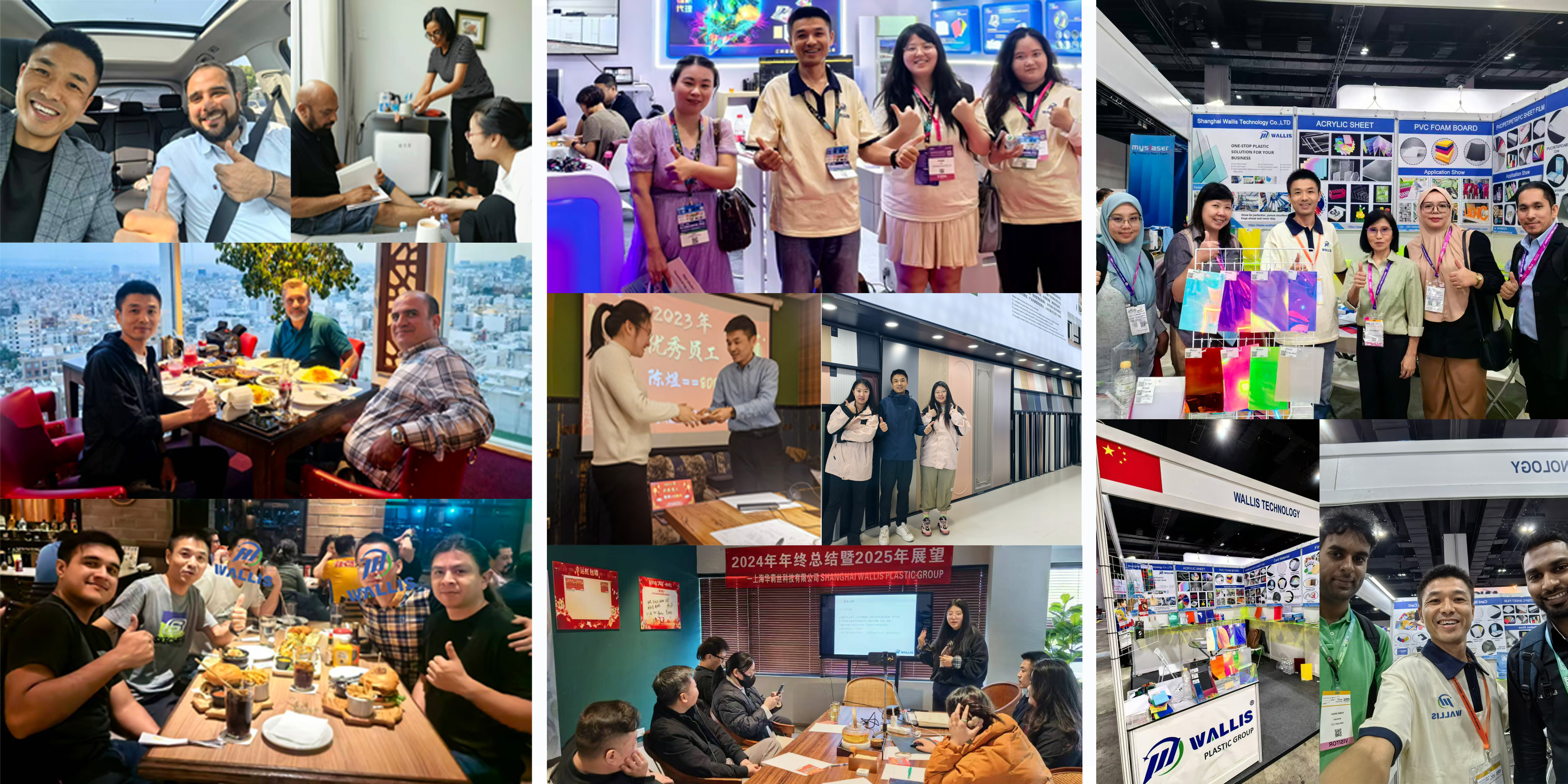
Company Daily Operations
Customer and Project Support
Wallis supports sample evaluation, specification confirmation, custom cutting, packaging and project communication for customers in signage, retail display, interior decoration, furniture and acrylic fabrication industries.

Frequently Asked Questions About Gold Mirror Acrylic Sheet
What is gold mirror acrylic sheet?
Gold mirror acrylic is a PMMA sheet with a reflective gold mirror finish and protective backing. It is used primarily for decorative applications such as signage, retail displays, furniture, wall panels and branded interiors.
What thicknesses of gold mirror acrylic does Wallis supply?
The current Wallis product specification lists 1–6 mm thicknesses. The best thickness depends on component size, required rigidity, fabrication and installation method.
What is the standard sheet size?
A standard listed size is 1220 × 2440 mm / 4 × 8 ft. Other listed sizes include 1000 × 2000 mm and 1220 × 1830 mm, with customized dimensions available.
Can Wallis cut gold mirror acrylic to custom sizes?
Yes. Custom cut-to-size panels and fabricated components can be discussed according to required dimensions, thickness, quantity and drawing specifications.
Is gold mirror acrylic suitable for laser cutting?
Suitable mirror acrylic grades can be laser cut and engraved. CO₂ laser systems are commonly used for acrylic. Test the actual material before production because laser type, thickness, mirror layer and processing direction can influence results.
Can gold mirror acrylic be CNC routed?
Yes. CNC routing is suitable for cut panels, letters, logos, holes and custom shapes. Correct tooling and support are important to protect the mirror surface and edge quality.
Can gold mirror acrylic replace a glass mirror?
It can replace glass in many lightweight decorative and display applications. However, acrylic is more flexible than glass, so large panels need a very flat, rigid backing if accurate reflection is important.
Why does an acrylic mirror sometimes look distorted?
Reflection distortion usually occurs when a flexible acrylic sheet bends or follows an uneven mounting surface. Using sufficient thickness and mounting the sheet on a smooth, rigid and flat backing helps improve reflection quality.
What adhesive should be used for acrylic mirror?
Use an adhesive specifically confirmed as compatible with acrylic and mirror backing. Some solvent-containing adhesives can attack the protective back coating, so compatibility testing on a sample is recommended before a full installation.
Can Wallis provide self-adhesive mirror acrylic?
Adhesive-backed options are listed as available. Provide the installation substrate and environmental conditions so the required backing can be discussed before production.
Can gold mirror acrylic be UV printed?
Yes. UV printing is available for suitable projects. Sample testing is recommended for projects with specific ink adhesion, color or durability requirements.
Can mirrored acrylic be thermoformed?
The current Wallis specification lists approximately 150–160°C as a forming range. Because stretching can influence the mirror appearance, prototype forming is recommended before mass-producing curved mirror components.
Can gold mirrored acrylic be used outdoors?
Standard mirror acrylic is primarily recommended for indoor use. For outdoor projects, UV exposure, temperature, moisture, mirror-backing protection and expected service life should be confirmed before selecting a suitable grade.
What mirror colors are available?
Current product information lists gold, silver, brown, pink and additional colored mirror options. Request physical samples when exact color matching is important.
Is one-side or two-side mirror acrylic available?
Wallis currently lists both one-side and two-side mirror options. Confirm the required visible surfaces and final application when requesting a quotation.
How should gold mirror acrylic be cleaned?
Use a clean, soft, non-abrasive cloth and an acrylic-compatible mild cleaning method. Avoid abrasive pads or aggressive chemicals that could scratch or damage the mirror surface.
Can I request samples before a bulk order?
Yes. Samples can help confirm gold color, mirror quality, thickness, cutting performance, printing compatibility and other project-specific requirements before bulk production.
What information should I provide for a quotation?
Provide the mirror color, thickness, sheet or finished dimensions, quantity, one-side or two-side requirement, fabrication method, printing or adhesive requirement, installation environment and packaging requirements.
Request a Quote for Gold Mirror Acrylic Sheets
Looking for a gold mirror acrylic sheet supplier for signage, retail displays, furniture, interior decoration or custom fabrication? Wallis supplies 1–6 mm mirrored acrylic panels with standard and customized dimensions, multiple mirror colors and project-based processing services.
Send your thickness, dimensions, mirror color, quantity and fabrication requirements to receive a suitable product recommendation, sample and quotation.