Premium 4x8 Clear Cast Acrylic Sheet for Professional Fabrication
Wallis clear cast acrylic sheet is a transparent PMMA panel manufactured from virgin acrylic material for applications requiring high optical clarity, smooth surface appearance and flexible fabrication. Available in standard 4×8 ft sheet format as well as multiple large-sheet and customized dimensions, it is designed for signage manufacturers, display fabricators, architectural projects, furniture producers and acrylic distributors.
The cast acrylic manufacturing process provides a premium glass-like appearance while maintaining the key processing advantages of PMMA. Compared with ordinary glass, clear acrylic is lighter, more resistant to shattering and easier to cut, drill, machine, polish and form for customized products.
Wallis supports standard and customized sheet dimensions together with a wide thickness range, enabling buyers to source transparent acrylic for thin display components, glazing panels, furniture, signs and selected thick structural or viewing applications.
Clear Cast Acrylic Sheet Technical Specifications
The following specifications provide a quick reference for B2B buyers evaluating Wallis clear cast PMMA sheets for signage, displays, glazing, furniture and customized fabrication.
| Specification | Details |
| Material | 100% Virgin PMMA Cast Acrylic |
| Product Type | Transparent Clear Cast Acrylic Sheet / PMMA Panel |
| 4×8 Standard Size | Approximately 1220 × 2440mm |
| Other Standard Sizes | 1000 × 2000mm, 1220 × 1830mm, 2050 × 3050mm |
| Custom Size | Available according to project and order requirements |
| Thickness Range | From approximately 1.8mm; thick custom cast acrylic available up to 800mm subject to specification confirmation |
| Color | Transparent / Clear |
| Optical Appearance | High transparency with glass-like visual clarity |
| Surface | Smooth, glossy transparent surface |
| Fabrication | Cutting, Drilling, CNC Machining, Polishing, Bending and Selected Thermoforming |
| Applications | Signs, Displays, Glazing, Partitions, Furniture, Protective Panels and Customized Fabrication |
Key Features & Benefits of Clear Cast Acrylic Sheet
High Optical Clarity
Clear cast PMMA provides a bright, glass-like transparent appearance that makes it suitable for products where visibility, presentation and optical appearance are important. Typical applications include product displays, glazing panels, protective covers, exhibition fixtures and transparent furniture components.
Lightweight Alternative to Glass
Acrylic is lighter than conventional glass, which can simplify handling, transportation and installation. This is especially valuable for large display panels, partitions, signage systems and fabricated components where overall product weight matters.
Higher Shatter Resistance Than Ordinary Glass
PMMA provides greater resistance to shattering than ordinary glass, making it useful for many displays, partitions, guards, glazing systems and furniture applications where breakage risk and safe handling are important considerations.
Excellent Fabrication Flexibility
Clear cast acrylic can be processed into a wide variety of finished components. Depending on thickness and product design, common fabrication methods include cutting, drilling, routing, CNC machining, polishing, bending and thermoforming.
Suitable for Indoor & Selected Outdoor Applications
Clear PMMA is widely selected for applications exposed to daylight and weather. For long-term outdoor projects, buyers should provide the expected UV exposure, temperature range, installation method and service environment so the appropriate sheet specification can be confirmed.
Wide Thickness Range
Thin clear sheets can be used for signs, displays and decorative components, while thicker cast acrylic can be considered for applications requiring greater rigidity or substantial transparent sections. Very thick acrylic requirements should always be reviewed according to finished dimensions, loads and application conditions.
What Does 4x8 Clear Acrylic Sheet Mean?
A 4x8 acrylic sheet generally refers to a nominal sheet size of approximately 4 feet × 8 feet, commonly represented in metric supply as approximately 1220 × 2440mm. This format is widely used because it provides efficient material utilization for signage, display panels, furniture components, partitions and general fabrication.
Wallis also provides other standard formats including 1000 × 2000mm, 1220 × 1830mm and 2050 × 3050mm, allowing fabricators to select a sheet format that better matches finished-part dimensions and reduces cutting waste.
For repetitive manufacturing projects, provide the finished cut dimensions together with expected annual or order quantity. This makes it easier to evaluate whether a standard 4×8 sheet or another sheet format offers better material utilization.
Clear Cast Acrylic vs. Extruded Acrylic
Both cast and extruded PMMA can provide excellent transparent acrylic solutions, but the preferred type depends on fabrication method, dimensional requirements, production volume and finished application.
| Consideration | Cast Acrylic | Extruded Acrylic |
| Typical Positioning | Premium fabrication and customized PMMA applications | Continuous-production applications and standardized sheet requirements |
| Thickness Range | Well suited to a wide range including thick custom acrylic | Typically focused on thinner standardized thickness ranges |
| Machining | Suitable for cutting, routing, CNC machining, drilling and polishing | Suitable for many general cutting and fabrication processes |
| Custom Projects | Commonly selected for custom fabrication and thicker components | Often selected for high-volume standardized sheet applications |
Clear Cast Acrylic Sheet Fabrication & Processing
Cutting & Sawing
Clear acrylic sheets can be cut into signs, guards, shelves, display components, furniture panels and customized parts using appropriate acrylic cutting equipment. Cut-size requirements can be discussed for repeat production and project orders.
CNC Routing & Machining
CNC processing is suitable for precision contours, holes, slots, grooves and repeatable components. Cast acrylic is commonly selected for fabricated display products, signs, machine covers and customized assemblies requiring clean machining.
Laser Cutting & Engraving
For projects involving laser cutting or engraving, the required thickness, edge finish and engraving depth should be confirmed before production. Sample processing is recommended for applications where edge appearance is a critical quality requirement.
Drilling
Clear acrylic can be drilled for mounting, hardware and assembly. Appropriate tooling, feed rates and edge distances should be used to reduce local stress around holes.
Polishing
Processed acrylic edges can be finished using suitable acrylic polishing methods when a clearer or more refined appearance is required for premium displays, furniture and decorative products.
Bending & Thermoforming
Selected cast acrylic thicknesses can be heated and formed into curved or three-dimensional components. Buyers should provide the forming radius, sheet thickness, part dimensions and production method so suitability can be evaluated.
Applications of Clear Cast Acrylic Sheets
Signage & Retail Displays
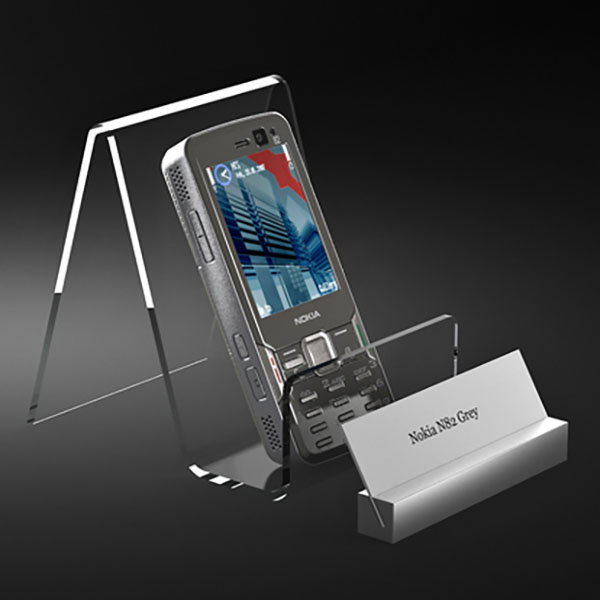
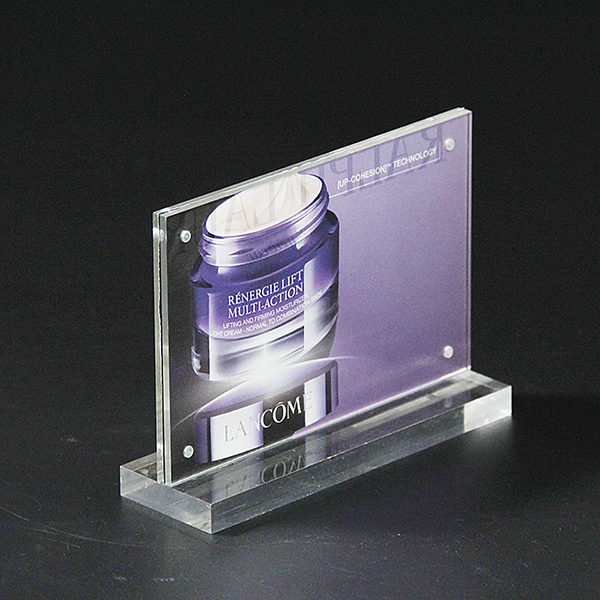
Clear acrylic is widely used for display stands, product holders, promotional fixtures, sign covers, retail shelving and point-of-purchase displays where high transparency keeps attention focused on the product.
Architectural Glazing & Partitions
Transparent PMMA can be considered for selected interior glazing, office partitions, decorative screens, skylight components and transparent architectural elements where lightweight construction and optical clarity are required.
Protective Panels & Machine Guards
Clear acrylic provides visibility while creating physical separation, making it useful for selected protective screens, equipment covers, guards and transparent enclosure components.
Furniture & Interior Products
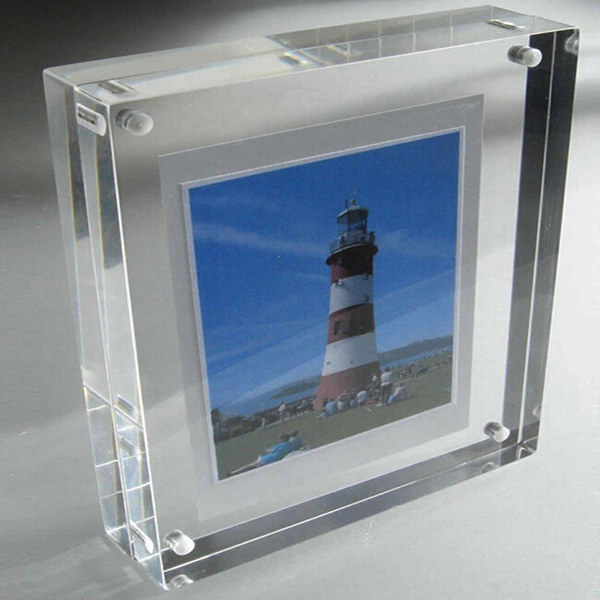
Cast acrylic can be fabricated into shelves, transparent furniture details, table protectors, storage products, photo frames, decorative components and custom interior products.
Exhibition & Museum Displays
High transparency makes clear acrylic suitable for display boxes, protective covers, exhibit cases, pedestals and viewing panels where the material should visually interfere as little as possible with displayed objects.
Thick Transparent Viewing Applications
Thick cast acrylic can be considered for specialized transparent structures such as aquarium or swimming-pool viewing applications. These projects require engineering review of dimensions, thickness, loads, support conditions and safety factors rather than thickness selection based only on appearance.

Mobile Holder

Pen Storage Box

Display

Acrylic Stand Display

Acrylic Photo Frame

Acrylic Swimming Pool
How to Choose the Right Clear Cast Acrylic Sheet
1. Define the Final Application
Start by identifying whether the sheet will be used for signage, display fabrication, glazing, furniture, protective panels, machine covers or a specialized thick transparent structure. Different applications place different requirements on thickness, dimensions and processing.
2. Confirm the Required Thickness
Thickness affects rigidity, weight, fabrication method and structural performance. Thin panels may be suitable for display or decorative use, while larger unsupported panels and structural applications generally require a more detailed thickness evaluation.
3. Choose the Most Efficient Sheet Size
A 1220 × 2440mm 4×8 sheet is a common fabrication format, but larger 2050 × 3050mm sheets or customized dimensions may provide better material utilization for certain projects.
4. Specify Your Fabrication Process
Provide details about cutting, CNC routing, laser processing, drilling, polishing, bonding, bending or thermoforming. Understanding downstream processing helps ensure the selected acrylic specification is suitable for production.
5. Confirm Indoor or Outdoor Service
If the acrylic will be installed outdoors, provide the expected sunlight, weather exposure, temperature conditions and service life requirements. This allows the appropriate material specification to be reviewed before production.
6. Evaluate Samples Before Bulk Production
For projects where transparency, surface appearance, machining quality or edge polish is critical, sample evaluation or trial fabrication can help verify the material before volume purchasing.
Clear Acrylic Sheet vs. Glass
| Feature | Clear Cast Acrylic | Ordinary Glass |
| Transparency | High, glass-like visual clarity | High transparency depending on glass type |
| Weight | Lighter and easier to handle | Heavier for equivalent panel dimensions |
| Shatter Behavior | More resistant to shattering than ordinary glass | Can break into fragments depending on glass type |
| Fabrication | Can be cut, drilled, CNC machined, polished and formed | Requires glass-specific processing equipment |
| Custom Shapes | High fabrication flexibility | Depends on glass type and specialized processing |
Why Choose Wallis Clear Cast Acrylic Sheets?
Wallis supplies acrylic sheet materials for B2B customers requiring standard PMMA panels, customized dimensions and special thickness requirements. Clear cast acrylic can be selected for projects where optical appearance, fabrication flexibility and reliable sheet supply are important.
Virgin PMMA Material: Clear cast acrylic manufactured from virgin PMMA material.
4×8 Standard Format: 1220 × 2440mm sheets for common fabrication requirements.
Multiple Sheet Sizes: 1000 × 2000mm, 1220 × 1830mm, 1220 × 2440mm and 2050 × 3050mm.
Wide Thickness Capability: Thin sheets through customized thick cast acrylic according to project requirements.
Fabrication Flexibility: Suitable options for cutting, CNC machining, drilling, polishing, bending and forming.
B2B Customization: Customized sheet dimensions and specifications for OEM and project orders.
Project Support: Buyers can submit drawings, dimensions, processing requirements and application conditions for specification review.
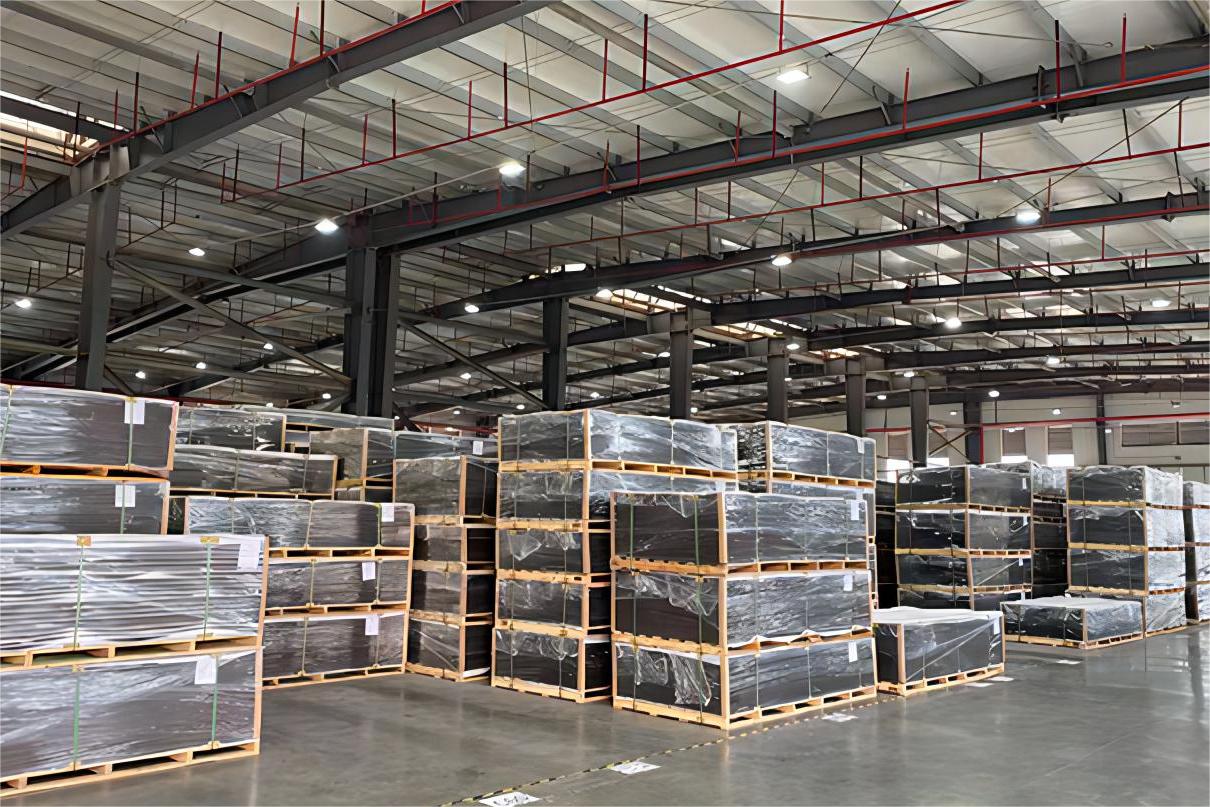
Protective Packaging & Shipping
Transparent acrylic surfaces require protection during handling, fabrication and international transportation. Packaging should reduce surface scratching, corner damage and movement between sheets during shipment.
For bulk orders, provide sheet dimensions, thickness, quantity and destination when requesting a quotation so suitable protective film, pallet and container-shipping arrangements can be evaluated.
Clear Acrylic Supply for Global B2B Customers
Wallis works with international buyers sourcing acrylic materials for signs, displays, furniture, architectural panels and customized fabrication. Providing complete technical and purchasing information at the inquiry stage helps improve quotation accuracy and material selection.
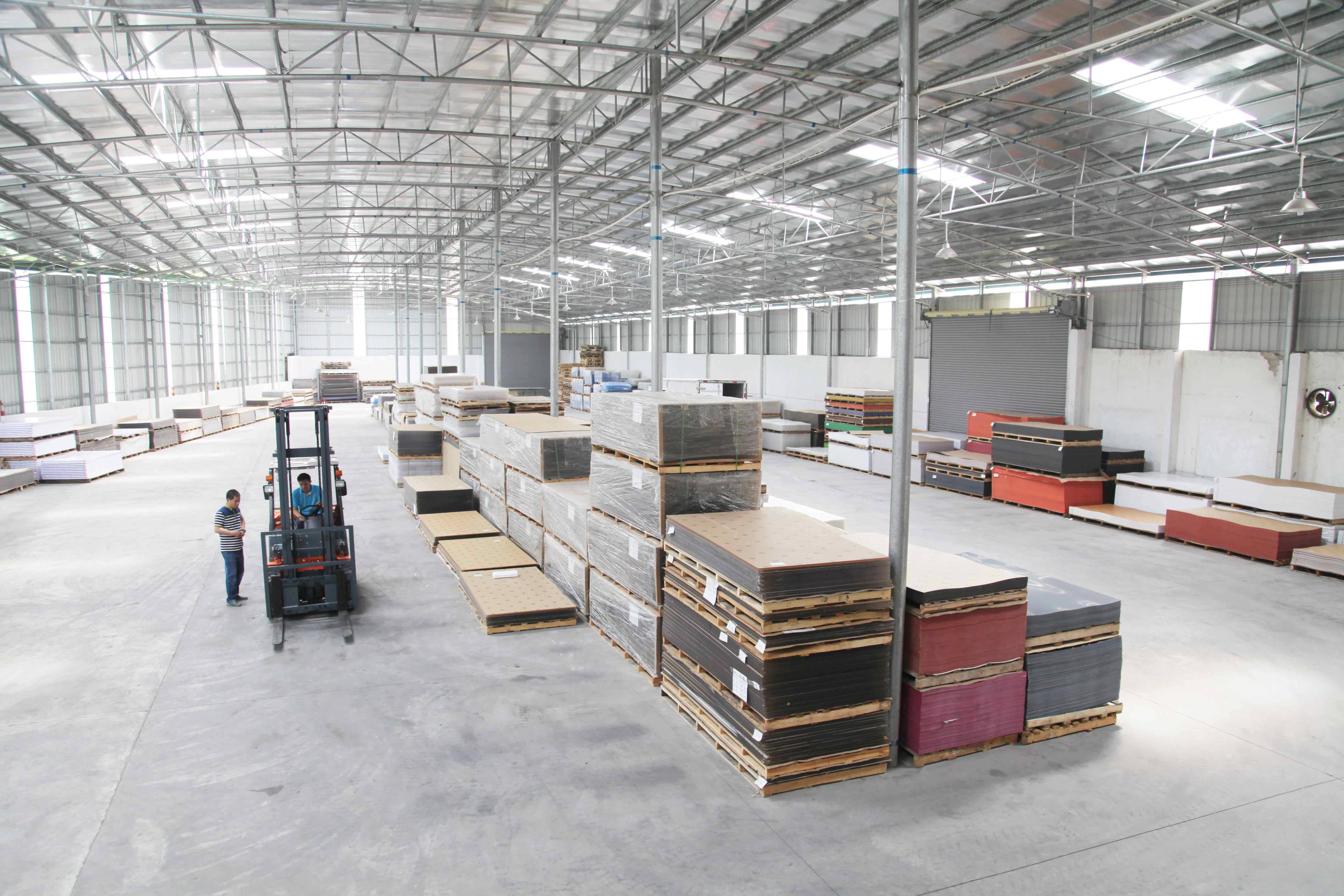
Company Daily Operations
Customer Feedback
Customer communication helps Wallis understand requirements involving transparency, thickness, sheet dimensions, fabrication, packaging and final application. Detailed project information is particularly important for thick acrylic and customized PMMA components.
Frequently Asked Questions About Clear Cast Acrylic Sheets
What is a clear cast acrylic sheet?
A clear cast acrylic sheet is a transparent PMMA panel produced using a casting process. It provides high visual clarity together with good machining and fabrication flexibility for signage, displays, glazing, furniture and customized acrylic products.
What size is a 4x8 acrylic sheet?
A nominal 4×8 ft acrylic sheet is commonly supplied at approximately 1220 × 2440mm. Wallis also offers other standard and customized dimensions for different production requirements.
What thicknesses are available for clear cast acrylic?
The Wallis product range starts at approximately 1.8mm and includes customized thick acrylic options. Very thick requirements, including specifications approaching 800mm, should be confirmed according to sheet dimensions, application, quantity and production feasibility.
Is cast acrylic clearer than glass?
Clear cast acrylic provides high glass-like transparency and is widely used when visual clarity is important. Exact optical transmission varies with material grade and thickness, so projects requiring a specific optical value should confirm the relevant test specification.
What is the difference between cast and extruded acrylic?
Both are PMMA materials but are produced using different manufacturing processes. Cast acrylic is commonly selected for premium fabrication, machining and wider thickness requirements, while extruded acrylic is often used for standardized continuous-production sheet applications.
Can clear cast acrylic be laser cut?
Clear cast acrylic can be evaluated for laser cutting and engraving. Thickness, laser settings and required edge appearance influence the final result, so sample processing is recommended for high-precision or appearance-critical products.
Can clear acrylic sheets be CNC machined?
Yes. Cast acrylic is suitable for CNC routing and machining when appropriate acrylic tooling and processing parameters are used. It can be machined into contours, openings, grooves and customized components.
Can clear acrylic sheets be drilled?
Yes. Clear acrylic can be drilled for mounting and assembly. Correct drill geometry, feed rate and adequate distance from sheet edges help reduce the risk of cracking around drilled holes.
Can clear cast acrylic be bent or thermoformed?
Selected cast acrylic thicknesses can be heated and formed. The appropriate processing conditions depend on thickness, forming radius, geometry and desired surface quality.
Is clear cast acrylic suitable for outdoor use?
Clear PMMA is commonly used in outdoor products, but long-term performance depends on the specific acrylic grade, exposure conditions and installation. For outdoor projects, provide expected sunlight, weather and service-life requirements before ordering.
Does clear acrylic turn yellow outdoors?
Yellowing resistance depends on the PMMA formulation, material quality and UV exposure conditions. If long-term outdoor optical clarity is critical, the required weathering performance should be specified and confirmed before production.
Is acrylic stronger than glass?
Acrylic generally provides greater resistance to shattering than ordinary glass and is lighter to handle. However, suitability for structural or safety-critical glazing depends on panel dimensions, thickness, loads, mounting conditions and applicable project requirements.
Can clear acrylic be used for aquariums or swimming pools?
Thick cast acrylic can be used in specialized aquatic viewing applications, but thickness selection requires engineering calculations based on water pressure, panel dimensions, support design and safety factors. These applications should not be specified using a generic thickness chart alone.
How do I clean clear cast acrylic?
Use a clean soft microfiber cloth with water or an appropriate mild acrylic-compatible cleaner. Avoid abrasive pads, sharp tools and aggressive solvents that could scratch or haze the transparent surface.
Can scratches on clear acrylic be polished?
Some light surface scratches can be reduced using suitable acrylic polishing techniques. Deep scratches or optical-quality surfaces may require professional refinishing, so the appropriate method depends on scratch depth and finished appearance requirements.
Can Wallis provide customized clear acrylic sizes?
Yes. In addition to standard sheet formats, customized dimensions can be discussed according to thickness, application, order quantity and manufacturing requirements.
Can I request samples before placing a bulk order?
For projects where optical clarity, machining, polishing or fabrication quality is important, sample evaluation is recommended before large-volume production. Contact Wallis with your thickness, size and application requirements to discuss suitable sample options.
What information should I provide for a clear acrylic quotation?
Please provide the required thickness, full-sheet or finished dimensions, quantity, final application, indoor or outdoor service conditions, processing requirements and delivery destination. Drawings are particularly useful for custom-cut or thick acrylic projects.
Source 4x8 Clear Cast Acrylic Sheets from Wallis
Whether you require standard 4×8 clear acrylic sheets for signage and displays, large transparent PMMA panels for fabrication or customized thick cast acrylic for specialized projects, Wallis provides multiple sheet sizes and thickness options for B2B purchasing.
Send us your required thickness, dimensions, quantity, fabrication process and final application. Our team can review your requirements and help identify a suitable clear cast acrylic specification for your project.