Scratch-Resistant High-Gloss Solid Color Acrylic Furniture Film
Wallis scratch-resistant high-gloss solid color acrylic furniture film is a premium PMMA decorative surface material developed for cabinet doors, wardrobes, furniture fronts, wall panels, interior doors, retail fixtures, hotel furniture, office furniture, and other indoor decorative panels.
The polished acrylic face creates a mirror-like solid-color appearance with strong visual depth and consistent surface quality. Scratch-resistant, stain-resistant, easy-clean, anti-fingerprint, color-stability, and UV-resistant options can be evaluated according to the selected product grade and agreed test method.
Thickness, width, length, color, gloss, surface coating, backside treatment, protective film, and export packaging can be customized for furniture manufacturers, cabinet factories, decorative-panel producers, distributors, project contractors, and OEM brands.
Request an Acrylic Film Sample
Technical Specifications
| Item | Specification |
| Product Name | Scratch-Resistant High-Gloss Solid Color Acrylic Furniture Film |
| Material | PMMA acrylic; exact single-layer or composite structure subject to product-grade confirmation |
| Surface Finish | High gloss with mirror-like solid-color effect |
| Color | Solid catalog colors and customized color matching |
| Scratch Resistance | Scratch-resistant surface options; test method and acceptance value must be confirmed |
| Thickness | Customized according to material structure, lamination process, substrate, and application |
| Width and Length | Customized subject to production capability, usable dimensions, and order quantity |
| Surface Options | Easy-clean, stain-resistant, anti-fingerprint, chemical-resistant, and UV-resistant options subject to grade confirmation |
| Backside Options | Untreated, corona-treated, primed, or other backing treatment according to the adhesive system |
| Application Method | Flat lamination, heat-and-pressure pressing, cutting, drilling, edging, and selected forming processes after validation |
| Typical Substrates | MDF, particleboard, plywood, and other compatible furniture panels after adhesive and process testing |
| Applications | Cabinet doors, wardrobes, furniture fronts, wall panels, retail displays, hotel furniture, office furniture, and decorative boards |
| MOQ | Wholesale orders supported; final MOQ depends on color and specification |
| Customization | Color, thickness, dimensions, gloss, coating, backing, protective film, labels, and packaging |
Specification note: The original product information identifies PMMA acrylic, a high-gloss mirror finish, customizable solid colors, customizable thickness and width, scratch resistance, lamination or pressing, and wholesale supply. Numeric hardness, gloss, dimensions, MOQ, and performance limits were not provided and must be confirmed using the exact product code and test report.
What Is Solid Color Acrylic Furniture Film?
Solid color acrylic furniture film is a PMMA-based decorative surface supplied for lamination onto compatible furniture panels. Unlike a printed wood grain or marble film, the visual focus is a clean, uniform color with a smooth reflective face and strong perceived depth.
PMMA Acrylic Surface
PMMA is used to create transparent or colored decorative surfaces with high clarity and gloss. The exact material may be supplied as a PMMA film, acrylic laminate, or co-extruded composite, depending on the confirmed thickness, backing, and production route.
High-Gloss Solid Color Construction
Solid pigments or a colored backing create the selected furniture color, while the polished acrylic surface produces reflectivity and optical depth. Dark colors can show dust, fingerprints, fine scratches, and substrate defects more clearly, so grade selection and surface preparation are important.
Film, Laminate, or Sheet Terminology
The words film, laminate, foil, and sheet are sometimes used differently across markets. Buyers should confirm whether the required material is flexible roll stock, thin sheet, rigid laminate, or a finished pressed panel because equipment, adhesive, packaging, and machining requirements differ.
Finished Decorative Panel System
The acrylic surface is only one element of a finished cabinet or furniture panel. Final quality also depends on the MDF or other substrate, adhesive, balancing layer, edging, machining, moisture control, protective handling, installation, and maintenance.
High-Gloss Surface and Color Options
Neutral Solid Colors
White, cream, beige, grey, taupe, brown, and black support modern kitchen, wardrobe, office, hotel, and retail furniture collections. Neutral colors can be coordinated with wood, stone, metal, glass, and textile-inspired materials.
Bold and Trend Colors
Blue, green, red, yellow, orange, pink, and other customized colors can be developed for brand-specific collections, children’s furniture, retail interiors, hospitality projects, and statement cabinet fronts.
Metallic and Pearl Effects
Metallic and pearl effects may be discussed when the product structure supports them. Viewing angle, lighting, pigment orientation, batch consistency, and directional installation should be considered during approval.
Custom Color Matching
Buyers can provide a physical color chip, coated panel, laminate sample, or recognized color reference. The approved sample should define color, gloss, viewing conditions, substrate, and acceptable batch tolerance.
High-Gloss Acrylic Furniture Surface
Key Advantages of High-Gloss Acrylic Furniture Film
Mirror-Like Gloss and Visual Depth
The smooth acrylic face reflects light and gives solid colors a deeper, more polished appearance. This effect can help modern interiors look brighter and is commonly selected for cabinets, wardrobes, feature panels, retail displays, and premium furniture fronts.
Scratch-Resistant Coating Options
A hard-coated or scratch-resistant acrylic grade can improve resistance to light scratching and routine abrasion. Because pencil hardness, Erichsen scratch, Martindale abrasion, steel-wool tests, and other methods measure different behavior, buyers should specify the test method and acceptance value.
Consistent Solid Color Appearance
Controlled manufacturing can provide more repeatable color than multi-stage manual coating processes. A physical master sample, agreed color-difference tolerance, inspection lighting, and batch control are still necessary for adjacent cabinet doors and large furniture programs.
Easy-Clean Non-Porous Face
The smooth surface can be cleaned with a soft cloth, clean water, or a mild neutral detergent. Surface coatings may also improve stain and fingerprint performance, although results vary with color, gloss, cleaner, contact time, lighting, and wear.
Color and Light Stability Options
Selected PMMA formulations and coatings can provide useful indoor color and UV stability. No universal non-yellowing or fade-proof claim should be assumed; performance depends on pigment, acrylic grade, coating, heat, exposure duration, and the specified test.
Efficient Alternative to Selected Lacquer Processes
Pre-finished acrylic surfaces can reduce some sanding, spraying, drying, polishing, and rework stages associated with lacquered furniture. Total efficiency depends on material yield, lamination speed, board preparation, protective handling, machining, edging, and order size.

High-Gloss Acrylic Furniture Film Benefits
Scratch Resistance and Surface Testing
Pencil Hardness
Pencil hardness can indicate resistance to marking under a defined method, but results depend on the standard, pencil preparation, angle, load, conditioning, and operator. A hardness value from another acrylic product should not be applied to this film without a matching report.
Erichsen and Instrumented Scratch Tests
Instrumented scratch methods apply a defined stylus and load to the surface. They may provide more application-relevant data than a general statement of “high scratch resistance,” but the exact method and acceptance threshold must be identified.
Abrasion and Cleaning Tests
Martindale, steel-wool, cloth-rub, and cleaner-resistance tests evaluate different forms of repeated surface contact. High-contact kitchens, retail fixtures, hotels, and offices should define the test relevant to their expected use.
Finished-Panel Testing
Test a finished laminated panel in addition to the loose acrylic surface. Substrate support, adhesive coverage, contamination, lamination pressure, machining, edge quality, and installation can influence the observed durability.
Protective Film Is Still Required
Scratch resistance does not make a surface scratch-proof. Keep the protective film in place through suitable lamination, cutting, drilling, edging, transport, and installation stages, and avoid dirty tables, abrasive separators, sharp tools, and dragging.
Compatible Substrates and Lamination Methods
MDF
MDF is commonly used for flat cabinet doors, wardrobe fronts, furniture panels, and wall panels. It must be flat, smooth, dry, clean, and free from sanding defects, loose fibers, oil, dust, dents, and moisture variation.
Particleboard and Plywood
Particleboard and plywood may be suitable for furniture components after appropriate sanding, filling, priming, or other preparation. The surface, adhesive, board moisture, pressure, and service conditions must be evaluated.
Flat Lamination and Pressing
Flat heat-and-pressure lamination is appropriate for many decorative-panel applications. Control adhesive spread, temperature, pressure, dwell time, line speed, sheet tension, cooling, and protective-film handling to reduce bubbles, silvering, distortion, and weak bonding.
Adhesive and Backside Treatment
Adhesive selection depends on the acrylic backing, substrate, press type, open time, activation temperature, pressure, production speed, humidity, and end-use environment. Corona treatment or primer may be required for certain structures.
Balancing Layer and Warpage Control
Large MDF or particleboard panels may require a reverse-side balancing material. Front film thickness, balancing layer, adhesive amount, substrate thickness, board moisture, press cycle, and panel dimensions should be designed as one complete system.
Cutting, Drilling, and Edging
Use sharp, suitable woodworking or plastics-processing tools and stable support to reduce chipping, cracking, vibration, and heat marks. Coordinate edge banding with the solid color, gloss, substrate, panel thickness, and moisture requirements.
Applications in Residential and Commercial Interiors
Kitchen Cabinet Doors
High-gloss solid colors can create bright modern kitchen fronts. Complete cabinet doors should be tested for heat, humidity, stains, cooking oils, cleaning chemicals, fingerprints, scratching, edge sealing, and adhesive performance.
Wardrobes and Bedroom Furniture
Wardrobe doors, drawer fronts, dressing tables, bedside cabinets, and storage panels can use coordinated neutral or bold colors. Large adjacent doors should be produced from the same approved color batch where possible.
TV Units and Decorative Wall Panels
Acrylic surfaces can be used for TV units, feature walls, headboards, entertainment units, reception backgrounds, and interior panels. Joints, panel flatness, lighting, fire requirements, expansion, and installation should be considered.
Office and Hotel Furniture
Reception counters, office cabinets, desks, hotel casegoods, restaurant furniture, and storage systems can use solid-color acrylic surfaces. High-contact areas should specify abrasion, cleaner, disinfectant, stain, and impact requirements.
Retail Displays and Branded Furniture
Custom brand colors can be used for cosmetic counters, jewelry displays, fashion fixtures, electronics displays, showrooms, and exhibition furniture. Physical samples should be reviewed under the store’s intended lighting.

Acrylic Film Compared with Other Decorative Surfaces
Acrylic laminate, PVC film, melamine-faced board, PETG film, and lacquered MDF provide different combinations of appearance, processing, cost, and durability. The following table replaces unsupported star ratings with a practical selection comparison.
| Selection Factor | High-Gloss Acrylic Film | PVC Furniture Film | Melamine-Faced Board | PETG Furniture Film | Lacquered MDF |
| Typical Appearance | Deep solid color with mirror-like acrylic surface | High gloss, matte, printed, embossed, or wood-grain options | Solid, printed, textured, or wood décor on finished board | Smooth high-gloss or matte surface with grade-specific color depth | Seamless coated solid color and special paint effects |
| Scratch Performance | Depends on PMMA grade, hard coat, and test method | Depends on top coat, embossing, formulation, and test method | Depends on resin system, texture, board grade, and standard | Depends on coating, surface structure, and test method | Depends on lacquer system, curing, film build, and application quality |
| Processing | Flat lamination, cutting, drilling, edging, and grade-specific forming | Flat lamination, profile wrapping, and membrane pressing depending on grade | Panel cutting, drilling, routing, and edge banding | Flat lamination and selected forming processes after validation | Sanding, priming, coating, curing, polishing, and inspection |
| Customization | Solid colors, metallic effects, gloss, thickness, dimensions, and coatings | Broad colors, prints, embossing, gloss, thickness, and widths | Collection-based décors, board thicknesses, and textures | Colors, gloss, thickness, dimensions, and surface coatings | Broad color matching and special coating effects |
| Key Production Risk | Scratches, substrate telegraphing, adhesive compatibility, bubbles, and panel balance | Shrinkage, edge lifting, texture distortion, and adhesive activation | Chipping, edge damage, moisture at exposed cuts, and décor matching | Surface handling, bonding, scratches, and panel balance | Dust, orange peel, curing, color variation, and repair consistency |
Customization Options
Color Development
Custom colors can be developed from a physical reference. Feasibility, color tolerance, pigment requirements, UV target, minimum quantity, sample cost, and development cycle should be confirmed before production.
Thickness and Dimensions
Thickness, width, and length can be discussed according to the material structure, substrate, lamination line, panel size, machining method, and packaging. Confirm usable dimensions rather than only nominal dimensions.
Surface Coating and Gloss
Buyers can specify a high-gloss target and request scratch-resistant, stain-resistant, anti-fingerprint, chemical-resistant, or UV-resistant options. Each requirement should be linked to an agreed test method.
Backing and Protective Film
Backside treatment can be matched to the adhesive system. Protective-film tack, print, removal behavior, processing temperature, and residue requirements should be confirmed for the buyer’s production and installation process.
OEM Packaging
Labels, product codes, color identification, separators, cartons, pallet method, edge protection, protective wrapping, and shipping marks can be discussed for wholesale, distributor, and OEM orders.

Production and Quality-Control Recommendations
Approve a Physical Master Sample
Screen colors cannot accurately represent high-gloss depth, reflectivity, metallic effects, or subtle color differences. Approve a physical acrylic sample and a finished laminated panel under the intended lighting.
Prepare the Substrate Carefully
High gloss makes dents, sanding marks, dust, fibers, adhesive particles, and unevenness more visible. Use smooth, stable boards and maintain a clean lamination environment.
Conduct a Full Production Trial
Use the actual acrylic film, substrate, adhesive, press, temperature, pressure, dwell time, line speed, cooling, cutting tools, and edge band. Inspect adhesion, gloss, color, particles, bubbles, flatness, scratches, warpage, and edge quality.
Define Batch Acceptance Standards
Purchase specifications should define thickness, width, length, color difference, gloss range, surface particles, scratches, coating defects, protective-film quality, edge condition, backing treatment, packaging, and required performance tests.
Maintain Batch and Direction Control
Use material from the same approved batch for adjacent cabinet doors where possible. Maintain consistent machine direction and identify panels during cutting to reduce visible variation after installation.
Cleaning, Storage, and Handling
Cleaning Finished Panels
Remove loose dust with a clean, soft microfiber cloth.
Use clean water or a mild neutral detergent for routine cleaning.
Wipe cooking oil, drinks, food, cosmetics, ink, and other stains promptly.
Avoid abrasive pads, powders, steel wool, blades, and sharp tools.
Do not use strong solvents, acids, alkalis, or unapproved disinfectants.
Test commercial cleaners on the exact acrylic grade before regular use.
Storage Before Processing
Store the material indoors in clean, dry conditions away from direct sunlight, excessive heat, moisture, dust, and sharp objects. Follow the confirmed roll or sheet stacking, core support, acclimatization, and shelf-life instructions.
Protective Film Removal
Remove the protective film only at the appropriate stage after fabrication and installation. Excessive storage time, heat, or sunlight may affect removal behavior, so follow the confirmed protective-film guidance.
Environmental and Compliance Considerations
Avoid General Environmental Claims Without Evidence
Low odor, low VOC, recyclability, recycled content, emissions, and chemical compliance are different claims. Each should be supported by documentation for the exact product grade rather than a general comparison against PVC or melamine.
Complete-Panel Emissions
Indoor emissions depend on the acrylic surface, adhesive, MDF or other substrate, balancing layer, edge material, and manufacturing process. Furniture brands should test the complete panel when a market requires a formal emissions classification.
End-of-Life and Recycling
PMMA is a thermoplastic, but practical recycling of a laminated panel depends on material separation, adhesive, substrate, edge bands, contamination, collection systems, and local infrastructure. Do not claim universal recyclability without a verified route.
Required Market Documentation
Buyers should identify required restricted-substance, emissions, fire, chemical, furniture, or building-material standards before ordering. Test reports must match the product code, formulation, coating, thickness, and production period where applicable.
Why Source Acrylic Furniture Film from Wallis?
Factory-oriented B2B supply: support for cabinet factories, furniture manufacturers, panel laminators, distributors, and OEM brands.
Solid color customization: standard colors, custom matching, metallic directions, and coordinated furniture collections.
Flexible specifications: thickness, dimensions, gloss, surface coating, backside treatment, protective film, and packaging.
Sample and trial support: physical surface samples and finished-panel testing before bulk production.
Quality-control planning: agreed inspection criteria for dimensions, color, gloss, appearance, coating, protective film, and packaging.
Discuss Your Acrylic Surface Project

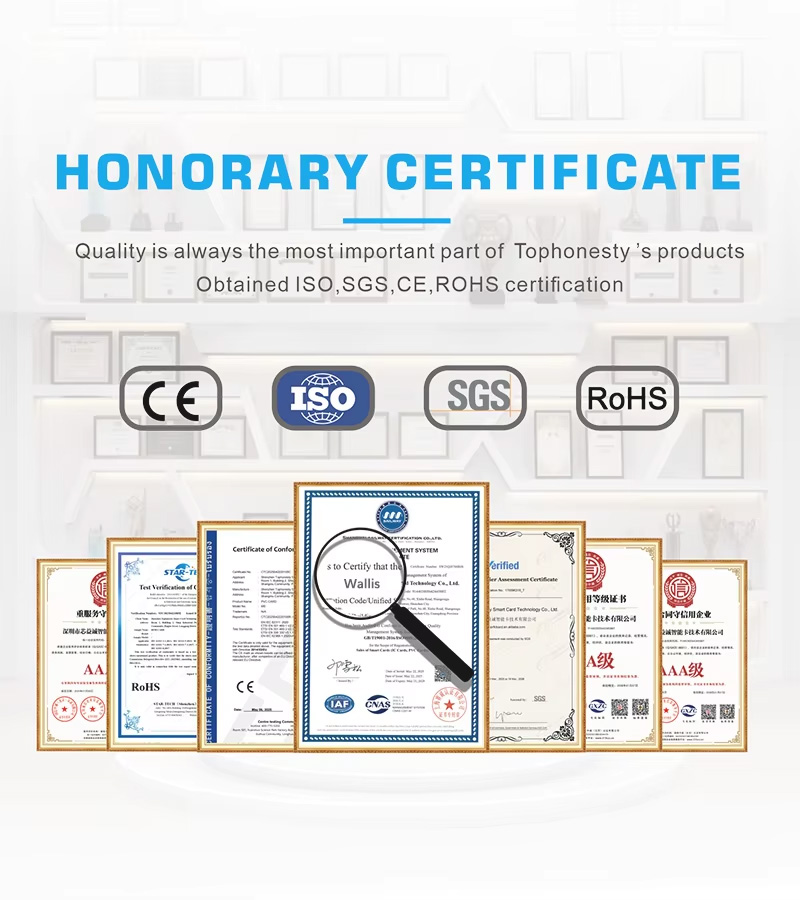
Available Product Documentation
Wallis Global Supply Support
Wallis supplies acrylic furniture materials to cabinet manufacturers, furniture factories, decorative-board producers, distributors, interior-material suppliers, OEM brands, and project contractors. Support can include specification review, color sampling, production coordination, quality requirements, and export packaging.

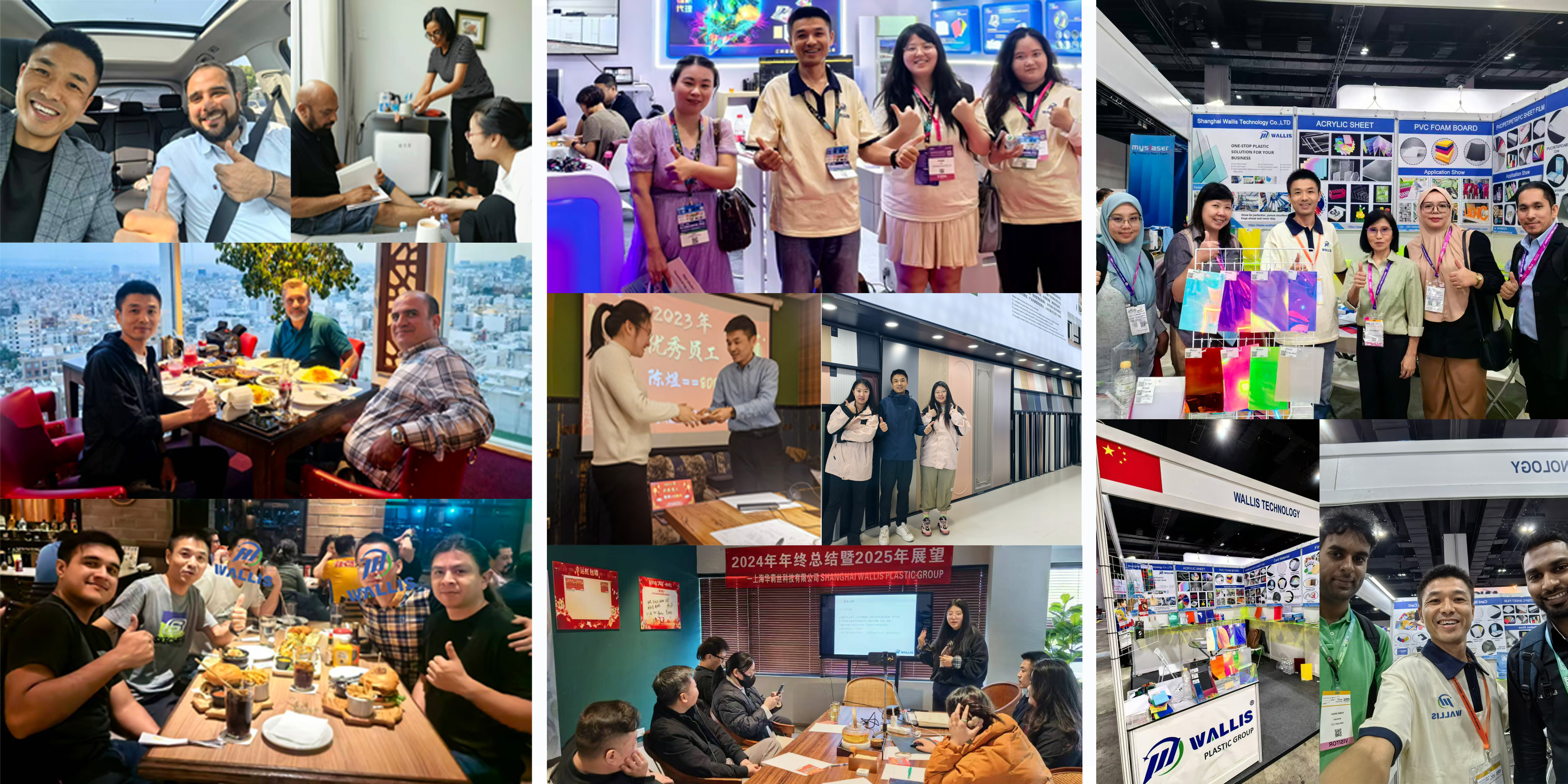
Company Daily Operations
Customer Feedback

Information Required for a Quotation
To receive an accurate quotation, provide the required material structure, thickness, width, length, solid color or physical reference, gloss target, scratch test, surface coating, backside treatment, substrate, adhesive, lamination process, finished application, order quantity, destination, protective film, packaging, and required documents.
For a new production line, also provide the substrate specification, press type, temperature, pressure, dwell time or line speed, adhesive information, panel dimensions, balancing layer, edge-band method, and intended service environment.
Get a Factory Quotation
Frequently Asked Questions
What is high-gloss solid color acrylic furniture film?
It is a PMMA-based decorative surface designed to provide a smooth, reflective solid-color finish when laminated onto compatible furniture boards such as MDF, plywood, or particleboard.
Is the product supplied as a roll or sheet?
The supply format depends on the confirmed thickness and material construction. Buyers should state whether they require roll stock, thin sheet, rigid laminate, or a finished pressed panel.
Is acrylic furniture film suitable for kitchen cabinets?
Suitable grades can be used for indoor flat cabinet doors when the acrylic, substrate, adhesive, balancing layer, edge sealing, heat, humidity, stain, scratch, and cleaning requirements have been validated.
How scratch-resistant is the acrylic surface?
The source page describes the product as scratch-resistant but does not give a numeric rating. Request the exact pencil-hardness, Erichsen, Martindale, or other test result for the selected product grade.
Is scratch-resistant acrylic scratch-proof?
No. Scratch-resistant means the surface can better withstand defined contact or abrasion, not that it cannot be damaged. Proper protective film, handling, fabrication, cleaning, and maintenance remain necessary.
Can Wallis customize solid colors?
Yes. Standard and custom solid colors can be discussed. Provide a physical color reference and define gloss, substrate, inspection lighting, color tolerance, quantity, and required UV stability.
Can thickness and dimensions be customized?
Yes. Thickness, width, and length are listed as customizable. Final availability depends on the material structure, color, coating, supply format, production capability, and order quantity.
What boards can acrylic furniture film be laminated onto?
It may be laminated onto suitable MDF, plywood, particleboard, and other prepared furniture substrates. Adhesive compatibility, surface quality, moisture, temperature, pressure, and panel balance must be tested.
Is the film self-adhesive?
Standard furniture-lamination material normally requires a separately selected adhesive. Confirm whether the required product needs an untreated backing, corona treatment, primer, or a self-adhesive construction.
Can acrylic film replace lacquered cabinet finishes?
It can be an alternative for selected high-gloss furniture fronts, but it is not technically identical to lacquer. Compare color, depth, edges, scratch resistance, repairability, processing, cost, and finished-panel performance.
Does the acrylic surface resist yellowing and fading?
Selected grades may provide useful indoor UV and color stability. Exact performance depends on the PMMA grade, pigment, coating, heat, light exposure, duration, and test method, so request product-specific data.
Is acrylic furniture film environmentally friendly?
Environmental performance cannot be determined from the material name alone. Request evidence for recycled content, emissions, restricted substances, recyclability, manufacturing, service life, and the complete panel system.
How should high-gloss acrylic panels be cleaned?
Use a clean, soft microfiber cloth with water or a mild neutral detergent. Avoid abrasive pads, powders, blades, sharp objects, and unapproved solvents. Test commercial cleaners on a sample first.
Can I request a sample before a bulk order?
Yes. Request a physical acrylic sample and make a finished trial panel to verify color, gloss, scratch resistance, adhesion, flatness, machining, edging, cleaning, and protective-film performance.
What is the minimum order quantity?
The source page states that wholesale orders are supported but does not provide a fixed MOQ. MOQ depends on standard or custom color, thickness, dimensions, coating, backing, protective film, and packaging.
What information should I provide for a quotation?
Provide material structure, thickness, dimensions, color reference, gloss target, required scratch test, coating, backing treatment, substrate, adhesive, lamination method, application, quantity, destination, protective film, packaging, and documents.
Contact Wallis Acrylic Film Specialists