Custom Thermoforming Clear PET Sheet Roll for Blister Packaging
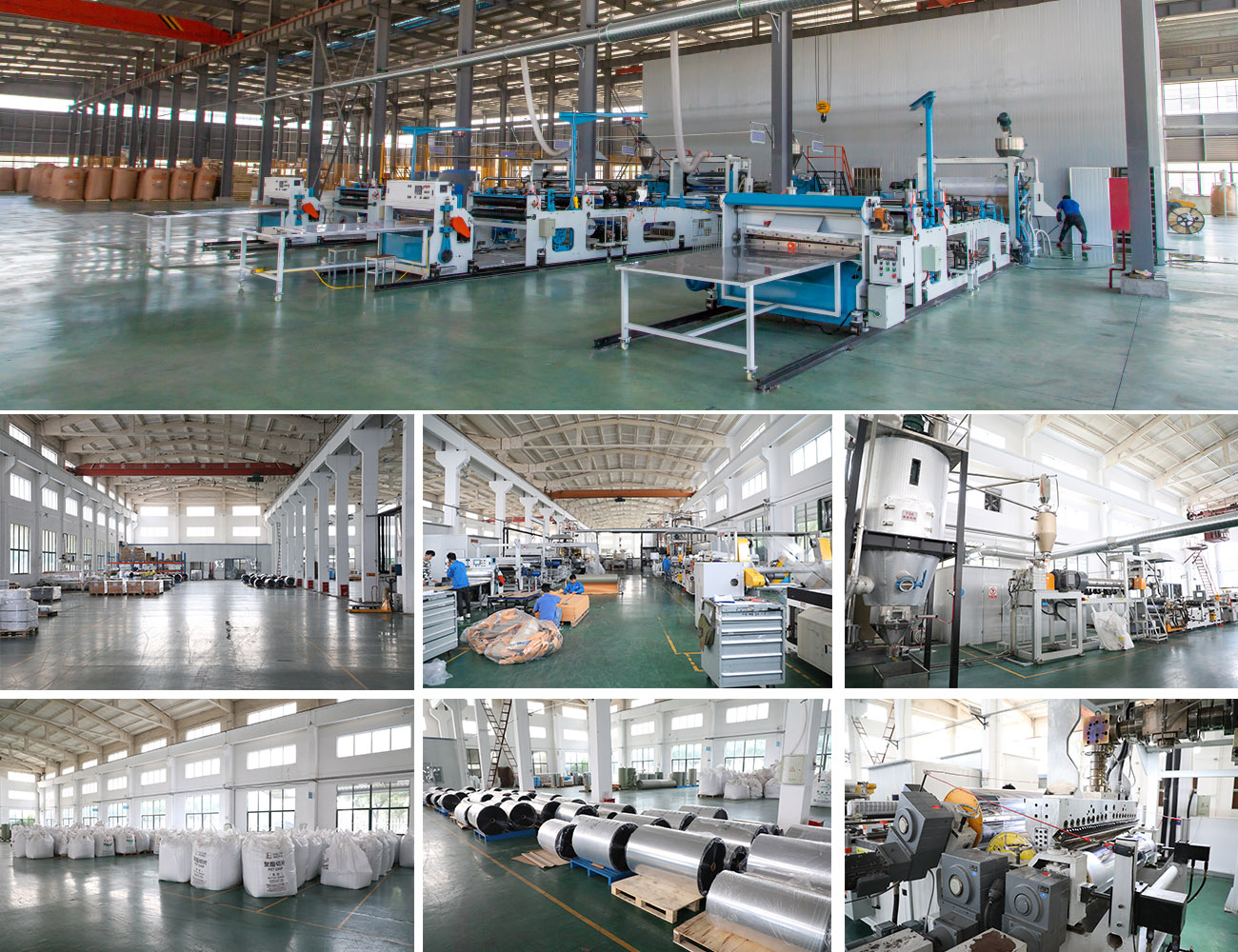
Wallis custom clear PET sheet roll is rigid, transparent roll stock engineered for thermoforming, vacuum forming, blister packaging, clamshells, trays, folding boxes and printed retail packaging. It combines clear product presentation with the stiffness and forming performance required by packaging converters.
Available in thicknesses from 0.15 mm to 3 mm and widths from 300 mm to 1,400 mm, the roll can be customized for your forming machine, tool design and finished package. Clear, colored, glossy, matte, frosted and functional PET options are available subject to grade confirmation.
Request a PET Sheet Sample
Clear PET Sheet Roll Specifications
| Product Name | Thermoforming Clear Rigid PET Sheet / Film Roll |
| Material | Virgin PET material for vacuum forming |
| Format | Rigid PET film or sheet supplied in rolls |
| Color | Clear transparent or customized |
| Thickness | 0.15 mm–3 mm or customized |
| Width | 300 mm–1,400 mm or customized |
| Typical Processing | Thermoforming, vacuum forming, blister forming, printing, bending, folding and die cutting |
| Typical Applications | Blister packs, clamshells, trays, folding boxes, cards and retail display packaging |
| Available Functional Options | Anti-fog, anti-UV, anti-scratch, high-gloss, matte, frosted, conductive, cold-resistant or heat-resistant grades |
| MOQ | More than 100 kg |
| Sample Time | Typically 1–3 days |
| Mass Production Lead Time | Typically 3–15 days depending on quantity and customization |
| Available Documents | RoHS, MSDS, TDS, SGS and ISO 9001 documentation as applicable |
| Packing | Roll packing, protective PE film, PP woven bag and plastic pallet |
Specification note: Not every surface treatment or performance option is combined in one grade. Confirm thickness and width tolerances, roll weight, core size, outer diameter, winding direction, protective film, food-contact requirements and functional treatment before ordering.
What Is Thermoforming PET Sheet for Blister Packaging?
Thermoforming PET sheet is clear, rigid polyethylene terephthalate roll stock that softens under controlled heat and is formed over a mold with vacuum, pressure or both. After cooling, it retains the molded shape and can be trimmed into blister cavities, trays, clamshells and packaging inserts.
Clear thermoforming sheet is commonly based on amorphous PET, often called APET, because it provides the transparency and forming behavior required for many packaging applications. The formed PET blister shell is then paired with a card, film, lid or other closure selected for the finished pack.
PET Sheet, PET Film and APET: What Is the Difference?
In packaging procurement, “sheet” and “film” are sometimes used for different thickness ranges, while “APET” identifies an amorphous PET structure suitable for clear thermoforming. Because naming conventions vary between buyers and markets, specify the exact gauge, roll format, processing method and finished use instead of relying on the product name alone.
Key Benefits of Clear PET Sheet Roll
High Transparency for Retail Product Visibility
Clear PET allows shoppers and inspectors to view the packed product without opening it. This makes it useful for shelf-ready blister packaging, clamshells, transparent trays and folding boxes where appearance supports identification and purchase decisions.
Stable Thermoforming and Vacuum Forming
A correctly selected PET grade heats and forms into defined cavities while retaining the rigidity needed for downstream filling, sealing and display. Forming results depend on sheet gauge, moisture control, heater profile, mold design, draw ratio and line speed.
Rigid Protection for Handling and Display
Rigid PET helps hold the package shape and protect products during packing, transport and retail handling. The required thickness should be established from cavity depth, product weight, flange design, stacking and drop-performance needs.
Smooth Surface for Printing and Converting
Suitable PET grades can be printed, die cut, bent or folded for clear boxes and branded packaging. Ink, primer, corona treatment, adhesive and folding compatibility must be confirmed for the chosen surface and converting process.
Custom Roll and Surface Options
Wallis can customize thickness, width, color and surface appearance within the listed production range. Functional options such as anti-fog, anti-static or conductive performance should be selected according to a defined application and tested before volume production.
Applications of Thermoforming PET Sheet Roll
Retail Blister Packaging
Clear PET sheet can be formed into face-seal, trapped or other carded blister formats for tools, toys, stationery, hardware, cosmetics, batteries, accessories and consumer products. Closure design and sealing compatibility must be validated with the selected backing card, coating or lidding material.
Vacuum-Formed Trays, Clamshells and Inserts
PET roll stock is suitable for clear trays, protective inserts and hinged clamshells used to organize, present and protect products. Gauge and forming conditions should be matched to cavity depth and the rigidity required after forming.
Food Packaging
Applicable food-contact PET grades can be used for trays, produce packs, bakery containers, confectionery packaging and clear lids. Confirm the food type, contact time, storage temperature and destination-market requirements before selecting the material.
Electronics and Component Packaging
Clear PET is useful for general electronics blister packs and component trays. Static-sensitive devices require a specified anti-static, static-dissipative or conductive grade; standard clear PET should not be assumed to provide ESD protection.
Clear Folding Boxes, Printing and Cards
Printable and foldable PET grades can be converted into transparent cartons, promotional packaging, windows, cards and display panels. Confirm print adhesion, crease behavior, protective film and surface energy before production.
Custom PET Sheet Roll Options
Clear transparent PET sheet roll for general thermoforming
Customized transparent or colored PET sheet
Anti-fog PET for moisture-exposed packaging
Anti-UV or anti-scratch PET for project-specific protection
High-gloss, matte or frosted surface appearance
Anti-static or conductive PET for specified electronics applications
Cold-resistant or heat-resistant grades for defined service conditions
Customized thickness from 0.15 mm to 3 mm
Customized width from 300 mm to 1,400 mm
Custom functions can change forming, printing, sealing and optical performance. State which property is essential, how it will be tested and whether it is required on one side or both sides.
How to Specify PET Roll Stock for Your Thermoforming Line
Machine compatibility depends on more than sheet width and thickness. Provide the following information so Wallis can recommend a closer material and roll configuration:
Finished pack type, dimensions, cavity depth, flange width and product weight
Thermoforming method, mold material, heating system and expected line speed
Required sheet thickness, width, tolerances, color and surface finish
Core diameter, maximum roll weight, maximum outer diameter and winding direction
Whether protective film is needed and when it will be removed
Printing, folding, die-cutting, heat-sealing, adhesive or lidding requirements
Anti-fog, anti-UV, anti-scratch, ESD or other functional requirements
Food-contact or other compliance documents required for the destination market
Sample quantity, annual demand, delivery destination and requested schedule
Send Your Roll Specifications
Thermoforming and Conversion Guidance
Control Material Condition Before Forming
Store PET rolls clean, dry and protected from temperature extremes. Material condition can affect heating and appearance, so follow the recommended handling or pre-drying guidance for the confirmed grade and process the roll within agreed storage conditions.
Develop the Heating Profile on Your Equipment
Forming temperature cannot be selected from material name alone. Heater type, line speed, gauge, mold temperature and draw depth all influence sheet temperature. Start with the grade-specific guidance and adjust through controlled trials until wall distribution and detail are stable.
Validate Printing, Folding and Sealing
When the package will be printed, folded, bonded or heat sealed, test the complete converting system. Surface finish, treatment, ink, adhesive, backing card and sealing conditions must work together in the finished packaging structure.
PET Packaging and Material Efficiency
PET is recyclable where suitable collection and processing systems exist. Packaging teams can improve material efficiency by selecting the lowest validated gauge, reducing unnecessary components, designing for separation and checking local recycling guidance for the complete pack.
Virgin, recycled or multilayer PET constructions can have different clarity, forming, barrier and compliance characteristics. If recycled content or a specific recycling claim is required, state the target at the quotation stage so the material construction and supporting documentation can be reviewed.
![PET sheet recycling and material-efficient packaging applications]()
Quality Checks Before Bulk Production
Approve the material on your production equipment before placing a bulk order. Review thickness and width consistency, roll winding, clarity, surface defects, protective film, blocking, forming detail, wall distribution, trim quality and flange flatness.
Test the finished packaging as a complete system, including product fit, stacking, drop or transport performance, closure strength, print adhesion and any required functional properties. Regulated uses require confirmation for the specific grade, process and destination market.
Shipping Time and Export Packaging
Sea freight: typically 10–25 days
Air freight: typically 4–7 days
DHL, TNT, UPS, FedEx or other express service: typically 3–5 days
PET sheet rolls are protected with PE film, roll packaging, PP woven bags and plastic pallets to reduce dust, moisture and transport damage. Packing can be confirmed against roll weight, handling method and customer requirements.
Transit times are estimates and depend on the destination, carrier, customs clearance and shipping schedule. Request a current production and delivery estimate with your quotation.
Why Choose Wallis as Your Clear PET Sheet Supplier?
Factory-direct supply of clear rigid PET sheet rolls
Custom thickness, width, color, finish and roll configuration
Material options for blister packaging, thermoforming, printing and folding
Anti-fog, anti-UV, anti-scratch and ESD-related options for defined projects
Sample support for machine trials and finished-package evaluation
Flexible production for packaging manufacturers, converters and OEM buyers
Export packing and applicable technical or quality documentation
FAQ About Thermoforming Clear PET Sheet Roll
What is clear PET sheet roll used for?
Clear PET sheet roll is used for thermoformed blister packs, clamshells, trays, inserts, food containers and retail displays. Printable or foldable grades can also be converted into transparent boxes, windows and cards.
Can PET sheet roll be used for blister packaging?
Yes. Clear PET can be heated and formed into rigid blister cavities that display and protect consumer products. The PET shell, backing material, adhesive or heat-seal coating and sealing conditions must be selected and tested as one packaging system.
Is APET the same as clear thermoforming PET?
APET means amorphous polyethylene terephthalate and is a common clear PET construction for thermoforming. Suppliers may use PET sheet, PET film and APET roll terminology differently, so confirm the exact material structure and technical specification.
What thickness and width can Wallis supply?
The listed range is 0.15 mm to 3 mm thick and 300 mm to 1,400 mm wide, with customization available. The appropriate gauge depends on cavity depth, package size, product weight and required rigidity.
Can clear PET sheet be used for food packaging?
It can be used when the specific PET grade and finished packaging system meet the applicable food-contact requirements. Provide the food type, contact conditions, storage temperature and destination market so the correct grade and documents can be reviewed.
Does standard clear PET protect electronic components from static?
Standard clear PET should not be assumed to provide ESD protection. Static-sensitive components require an anti-static, static-dissipative or conductive grade with a defined resistance range and agreed test method.
Can Wallis supply anti-fog, matte or conductive PET?
Yes, functional and appearance options are available for suitable projects. State the required performance, test conditions, treated side, forming process and finished use so compatibility can be checked.
What roll information is required for a quotation?
Provide thickness, width, tolerances, core size, roll weight or diameter, winding direction, color, surface finish, protective film, application, forming method, quantity, destination and delivery schedule.
Can I test a sample before bulk production?
Yes. A sample should be run on your intended forming and converting equipment, then evaluated for clarity, forming detail, wall distribution, trimming, print or seal compatibility and finished-package performance.
Who typically buys thermoforming PET sheet rolls?
Typical buyers include blister packaging factories, thermoforming converters, food-packaging manufacturers, printing and folding-box companies, component-tray producers, distributors and OEM packaging teams.
Contact Wallis for a Custom Quote