ABS Digital Printing Sheet for Thermoforming & Custom Fabrication
Wallis ABS digital printing sheet is a durable, impact-resistant thermoplastic sheet developed for digital printing, advertising displays, thermoforming, vacuum forming, equipment housings, luggage shells, panels, prototypes and customized plastic fabrication. Its combination of rigidity, toughness and processing flexibility makes ABS a practical material for B2B printers, thermoformers, sign manufacturers and industrial plastic fabricators.
ABS, or acrylonitrile butadiene styrene, is an opaque amorphous thermoplastic that offers good dimensional stability, high impact strength and excellent formability. Suitable grades can be printed, cut, routed, drilled, bonded, thermoformed and fabricated into finished components for commercial and industrial applications.
Wallis supplies white, black and customized color ABS sheets in approximately 0.5–13 mm thickness, with standard 1220 × 2440 mm sheets and customized dimensions. Smooth, textured, embossed and patterned surfaces are available according to project requirements. Printing compatibility should be validated with the intended printer, ink system and surface specification before mass production.
ABS Sheet Specifications for Digital Printing & Thermoforming
| Product Name | ABS Sheet / ABS Digital Printing Sheet |
| Material | Acrylonitrile Butadiene Styrene (ABS) |
| Raw Material | 100% Virgin ABS Material |
| Color | White, black or customized color |
| Thickness | 0.5–13 mm |
| Standard Size | 1220 × 2440 mm |
| Maximum Width | Up to approximately 2500 mm according to the current product description; wider specifications should be confirmed before ordering |
| Length | Customized according to project requirements |
| Supply Format | Sheet; roll availability depends on thickness, grade and production feasibility |
| Surface | Smooth, textured, embossed or patterned |
| Printing | Digital printing; UV and screen-printing suitability should be confirmed with the selected surface and ink system |
| Processing | Thermoforming, vacuum forming, cutting, CNC routing, drilling, bonding and fabrication |
| Typical Applications | Advertising displays, signage components, housings, luggage shells, trays, panels, prototypes and industrial fabricated parts |
For printing or thermoforming projects, buyers should also specify required sheet flatness, color, surface texture, thickness tolerance, dimensional tolerance and any project-specific impact, flame-retardant, UV or other functional requirements.
Typical Physical Properties of ABS Plastic Sheet
| Chemical Formula | (C8H8)x · (C4H6)y · (C3H3N)z |
| Glass Transition Temperature | 105°C / 221°F |
| Typical Injection Molding Temperature | 204–238°C / 400–460°F |
| Heat Deflection Temperature | 98°C / 208°F at 0.46 MPa / 66 PSI |
| UL RTI | 60°C / 140°F |
| Tensile Strength | 46 MPa / 6600 PSI |
| Flexural Strength | 74 MPa / 10800 PSI |
| Specific Gravity | 1.08 |
| Shrink Rate | 0.5–0.7% |
Technical note: The values above are reference properties listed for the current ABS product. ABS performance can vary according to resin grade, additives, color, sheet thickness, extrusion conditions and testing method. For engineering projects, request and approve the applicable product TDS or agreed specification rather than using generic ABS values as final design limits.
Why ABS Sheet Is Suitable for Digital Printing
Smooth Surface for Printed Graphics
Smooth ABS sheet provides a uniform substrate for printed graphics, text, logos and advertising images. White ABS is especially useful where a neutral opaque background is required for high-contrast graphic reproduction.
Compatible with Digital Fabrication
Printed ABS can be combined with cutting, CNC routing, drilling, bending, bonding and thermoforming to create finished display parts and industrial components. This allows printers and fabricators to move from flat printed sheet to a customized three-dimensional product.
White, Black and Custom Colors
Different base colors can be selected depending on the printed design and end-use application. White ABS is commonly selected for graphic printing, while black and custom colors can be useful for industrial panels, housings and branded components.
Printable Surface Must Match the Ink System
Not every ABS surface behaves identically with every digital ink. UV-curable, screen-printing and other inks may require different surface energy, ink chemistry or pretreatment. Customers should test representative ABS samples using their actual printer and ink before approving mass production.
Digital Printing and UV Printing on ABS Sheet
UV Digital Printing
Suitable smooth ABS grades can be evaluated for UV digital printing used in advertising boards, custom panels, signs, displays and branded components. Before bulk production, verify ink wetting, adhesion, curing, color reproduction and scratch performance on the selected surface.
Screen Printing
Screen printing can be used for logos, text, graphics and industrial markings when the ink system is compatible with the ABS substrate. Ink suppliers should be consulted where chemical exposure or special adhesion requirements apply.
Printing Before Thermoforming
Projects that print the sheet before forming require additional validation because the artwork and ink layer may stretch during thermoforming. Print position, ink flexibility, forming depth, draw ratio and heating conditions should be evaluated on the actual part design.
Printing After Forming
Printing after thermoforming may be suitable for parts with relatively accessible surfaces. Complex curves and deep cavities can make printing more difficult, so the printing sequence should be selected according to part geometry and production equipment.
Key Advantages of ABS Plastic Sheet
High Impact Resistance
ABS is widely selected for applications where printed or fabricated components need greater toughness than many brittle plastic materials. Impact performance depends on the ABS grade, temperature, wall thickness and part geometry.
Excellent Thermoforming Performance
ABS sheet can be heated and thermoformed into shells, trays, housings, bins, equipment covers and other three-dimensional parts. Its forming characteristics make it useful for both prototypes and commercial-scale manufacturing.
Good Rigidity and Dimensional Stability
ABS provides a useful combination of stiffness and toughness that helps fabricated parts retain their shape. Dimensional stability is important for printed panels, machine covers, housings and precision fabricated components.
Easy Secondary Fabrication
Suitable ABS sheets can be sawed, routed, drilled, die cut, machined and bonded using processes selected for the grade and thickness. This processing flexibility supports custom signs, prototypes, housings and industrial fabricated parts.
Multiple Surface Options
Smooth surfaces are useful for printing and graphic applications, while textured, embossed and patterned surfaces can provide decorative appearance, reduced visible scratching or specific tactile effects.
Performance at Lower Temperatures
ABS is known for maintaining useful toughness across a broad service range. However, impact performance and long-term service temperature are grade-specific and should be verified when the finished part will operate in demanding temperature conditions.
Thermoforming ABS Sheet for Industrial Parts
ABS is widely used as thermoforming sheet because it combines formability with impact resistance and rigidity. During thermoforming, the sheet is heated to a suitable forming temperature, shaped over or into a mold, cooled and trimmed into the finished part.
Vacuum Forming
Vacuum forming draws heated ABS sheet against a mold using vacuum pressure. It is commonly used for housings, trays, luggage shells, machine covers, bins, panels and prototype components.
Thermoforming Grade Selection
The correct grade and thickness depend on cavity depth, draw ratio, mold geometry, required wall thickness, part dimensions and final mechanical requirements. Deep-draw projects should be validated with production trials.
Drying and Processing Conditions
Forming conditions should follow the selected ABS grade and equipment recommendations. Pre-drying may be required in some production conditions to reduce moisture-related surface defects during heating and forming.
Applications of ABS Digital Printing Sheet
Advertising and Point-of-Purchase Displays
Printable ABS sheet can be used for display components, advertising panels, point-of-purchase structures, product holders and customized promotional displays where graphics and structural rigidity are both required.
Machine Housings, Guards and Covers
Impact-resistant ABS can be thermoformed or fabricated into machinery housings, instrument panels, protective covers and guards. Functional requirements should be defined according to mechanical load, heat exposure and operating environment.
Luggage and Storage Cases
ABS sheet is used for formed suitcase shells, storage cases and protective containers because of its balance of stiffness, toughness, surface appearance and thermoformability.
Automotive and Transportation Components
Appropriate ABS grades can be used for interior panels, bus-body components, covers and other transportation applications. Automotive projects often require controlled flame, UV, impact, temperature or regulatory properties and should use application-specific grades.
Models and Prototypes
ABS is useful for architectural models, product prototypes, mock-ups and customized fabricated parts because sheets can be cut, machined, bonded and thermoformed into complex shapes.
Thermoformed Trays and Bins
ABS sheet can be vacuum formed into trays, bins, inserts and reusable containers where dimensional stability and impact resistance are important.

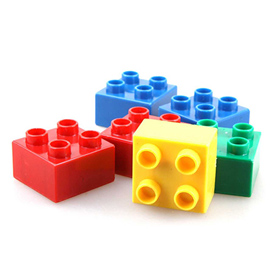
Thermoformable ABS Sheet for Model Parts

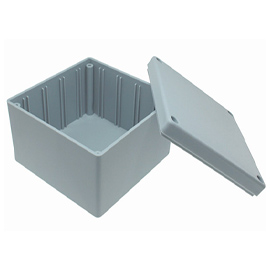
Thermoformed ABS Plastic Box

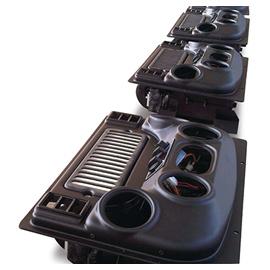
Thermoformed ABS Engine Case
How to Choose ABS Sheet for Digital Printing
1. Specify the Printing Process
Tell the supplier whether the material will be digitally printed, UV printed, screen printed or used with another ink system. Printer model and ink chemistry are useful information when print adhesion is critical.
2. Select the Correct Surface
A smooth ABS surface is generally the logical starting point for high-resolution graphics, while textured or embossed materials may be preferred for decorative or industrial applications. Surface texture can affect printed appearance and ink contact.
3. Define Thickness and Rigidity
Thinner sheets may be suitable for lightweight graphics or formed components, while thicker sheets provide increased stiffness for panels, housings and structural parts. Select gauge based on the finished application rather than printing alone.
4. Confirm Color Requirements
White, black and customized colors are available. For projects with brand-color requirements, define an approved color reference or measurable color target before mass production.
5. Define Secondary Processing
Tell Wallis if the printed ABS will later be cut, routed, drilled, bonded, bent or thermoformed. Downstream processing can influence the preferred grade, thickness, surface and printing sequence.
6. Test Samples Before Production
Test printing, adhesion, curing, scratching and any subsequent fabrication on representative samples before approving bulk material. For thermoformed graphics, also test how the printed image behaves during heating and stretching.
ABS Surface Options for Printing & Fabrication
| Surface | Typical Use | Buyer Consideration |
| Smooth | Digital printing, graphics, signs and panels | Confirm gloss, ink adhesion and surface cleanliness |
| Textured | Industrial panels, housings and decorative parts | Texture may affect graphic appearance and ink contact |
| Embossed | Decorative components and specialty fabricated parts | Confirm emboss depth and suitability for forming |
| Patterned | Branded or decorative fabricated products | Approve physical surface sample before bulk production |
ABS Sheet vs PVC, HIPS and Acrylic for Printing
| Factor | ABS | PVC | HIPS | Acrylic |
| Impact Resistance | High | Grade dependent | Good for many general applications | More rigid but comparatively brittle |
| Thermoforming | Excellent application area | Suitable grades available | Commonly thermoformed | Requires appropriate forming grade and conditions |
| Digital Printing | Printing compatibility depends on surface treatment, ink system, printer technology and grade; sample testing is recommended for all substrates |
| Best ABS Use Case | ABS is particularly useful where printing or decoration must be combined with toughness, thermoforming and secondary fabrication |
Custom ABS Sheet for B2B Manufacturing
Wallis supports B2B projects requiring customized ABS sheet for printing, advertising, thermoforming and industrial fabrication. Buyers can submit technical requirements so that material specifications can be reviewed before sampling and bulk production.
Thickness from approximately 0.5–13 mm
White, black and customized colors
Standard 1220 × 2440 mm and customized dimensions
Smooth, textured, embossed and patterned surfaces
Digital-printing applications
Thermoforming and vacuum-forming projects
CNC cutting, routing and secondary fabrication
Customized packaging and export requirements
Sample evaluation before bulk production
Quality Control for ABS Printing and Thermoforming Sheet
Consistency is especially important for printing and thermoforming operations. Depending on the agreed product specification, ABS sheet quality inspection can include:
Thickness and thickness tolerance
Sheet width, length and dimensional tolerance
Color consistency
Surface gloss or texture
Flatness and warpage
Inspection for scratches, contamination and visible defects
Impact or mechanical properties when specified
Thermoforming evaluation for applicable projects
Printability or ink adhesion testing where agreed
Packaging and product identification
If a project requires specific impact strength, flame rating, UV resistance, color value, gloss, surface texture or printing adhesion, buyers should define the applicable test method and acceptance criteria in the purchase specification.
Related ABS Sheet Products
ABS Double Color Sheet for Engraving & Fabrication
Double-color ABS sheet combines contrasting surface and core colors for engraved graphics, signs, labels, identification panels and decorative fabricated products.
ABS Double Color Sheet
ABS Solid Color Sheet for Printing & Thermoforming
Solid-color ABS sheet can be customized for printed displays, thermoformed components, equipment covers, decorative panels and other applications requiring consistent base color.

ABS Solid Color Sheet
Why Choose Wallis ABS Digital Printing Sheet?
B2B ABS Sheet Supply
Wallis supplies ABS sheet for printers, thermoforming factories, advertising manufacturers, plastic fabricators, distributors and industrial buyers requiring stable specifications and customized material options.
Broad Thickness Range
The current product specification covers approximately 0.5–13 mm, allowing buyers to select different gauges for printing panels, displays, thermoformed shells and heavy-duty fabricated components.
Customized Colors and Surfaces
White, black and custom colors can be combined with smooth, textured, embossed or patterned surfaces according to the finished product design.
Printing and Thermoforming in One Material
ABS is valuable for projects that require both surface graphics and subsequent fabrication, allowing manufacturers to use the material for printed displays as well as thermoformed industrial components.
Sample Evaluation Before Bulk Orders
Sample testing allows buyers to confirm printing, ink adhesion, thermoforming, machining, color and finished-part performance before committing to bulk production.
FAQ About ABS Digital Printing Sheet
What is ABS digital printing sheet?
ABS digital printing sheet is an opaque acrylonitrile butadiene styrene plastic sheet used as a printable and fabricatable substrate for advertising displays, panels, housings, signs, prototypes and thermoformed components.
Is ABS sheet suitable for digital printing?
Yes. Smooth ABS sheet can be suitable for digital printing, but printer and ink compatibility should be tested because adhesion can vary according to ink chemistry and surface condition.
Can ABS sheet be UV printed?
Suitable ABS surfaces can be evaluated for UV digital printing. Test ink wetting, adhesion, curing and abrasion resistance using the intended printer and UV ink before mass production.
Can ABS sheet be screen printed?
Yes, compatible ABS grades can be screen printed when an appropriate ink system is selected. Ink suppliers should confirm chemical compatibility and adhesion requirements.
Can ABS sheet be thermoformed?
Yes. Thermoforming and vacuum forming are major applications for ABS sheet. It can be formed into trays, shells, housings, covers, luggage parts and custom industrial components.
Can printed ABS sheet be thermoformed?
It can be possible with the correct ink and forming process, but the printed image may stretch during forming. Buyers should conduct trials using the actual artwork, forming depth, temperature and ink system.
What thickness of ABS sheet does Wallis supply?
The current product specification lists approximately 0.5–13 mm thickness. Confirm availability for the required color, width, surface and order quantity.
What is the standard ABS sheet size?
A standard size listed for this product is 1220 × 2440 mm. Customized dimensions are available according to production feasibility.
What is the maximum ABS sheet width?
The current detailed specification lists maximum width of approximately 2500 mm. If you require a wider sheet, provide the exact thickness, color and surface so availability can be confirmed.
Can ABS sheet color be customized?
Yes. Wallis offers white, black and customized colors. For projects requiring precise brand colors, provide an approved reference or color standard.
What surface finishes are available?
Current options include smooth, textured, embossed and patterned surfaces. The best surface depends on printing, appearance, thermoforming and finished-product requirements.
Can ABS sheet be CNC machined or cut?
ABS can be cut, routed, drilled and machined using suitable equipment and tooling. Processing parameters should be adjusted according to sheet thickness and finished-edge requirements.
Is ABS sheet suitable for outdoor advertising?
Standard ABS should not automatically be assumed suitable for long-term outdoor UV exposure. Outdoor projects should specify weathering and UV requirements and use an appropriate stabilized, coated or protected grade where necessary.
Is ABS resistant to chemicals?
ABS has useful resistance to many substances but is not universally chemical resistant. Performance depends on chemical type, concentration, temperature, stress and exposure time, so application-specific testing is recommended.
What information should I provide for an ABS sheet quotation?
Provide thickness, width, length, color, surface finish, printing method, thermoforming or fabrication process, quantity, required functional properties and delivery destination.
Should I test an ABS sample before bulk production?
Yes. Sample testing is recommended for printing, UV ink adhesion, thermoforming, machining and other process-sensitive applications because actual performance depends on the complete production system.
Request ABS Digital Printing Sheet Samples & Factory Pricing
Looking for a reliable ABS digital printing sheet manufacturer for UV printing, advertising displays, thermoforming or custom plastic fabrication? Send Wallis your required thickness, dimensions, color, surface finish, printing method, processing requirements and order quantity for material review and factory pricing.