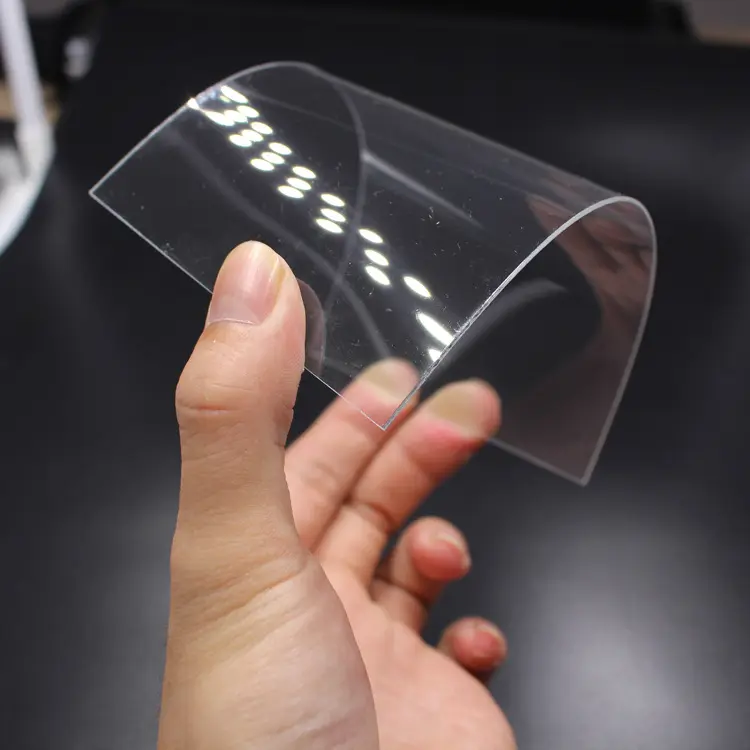
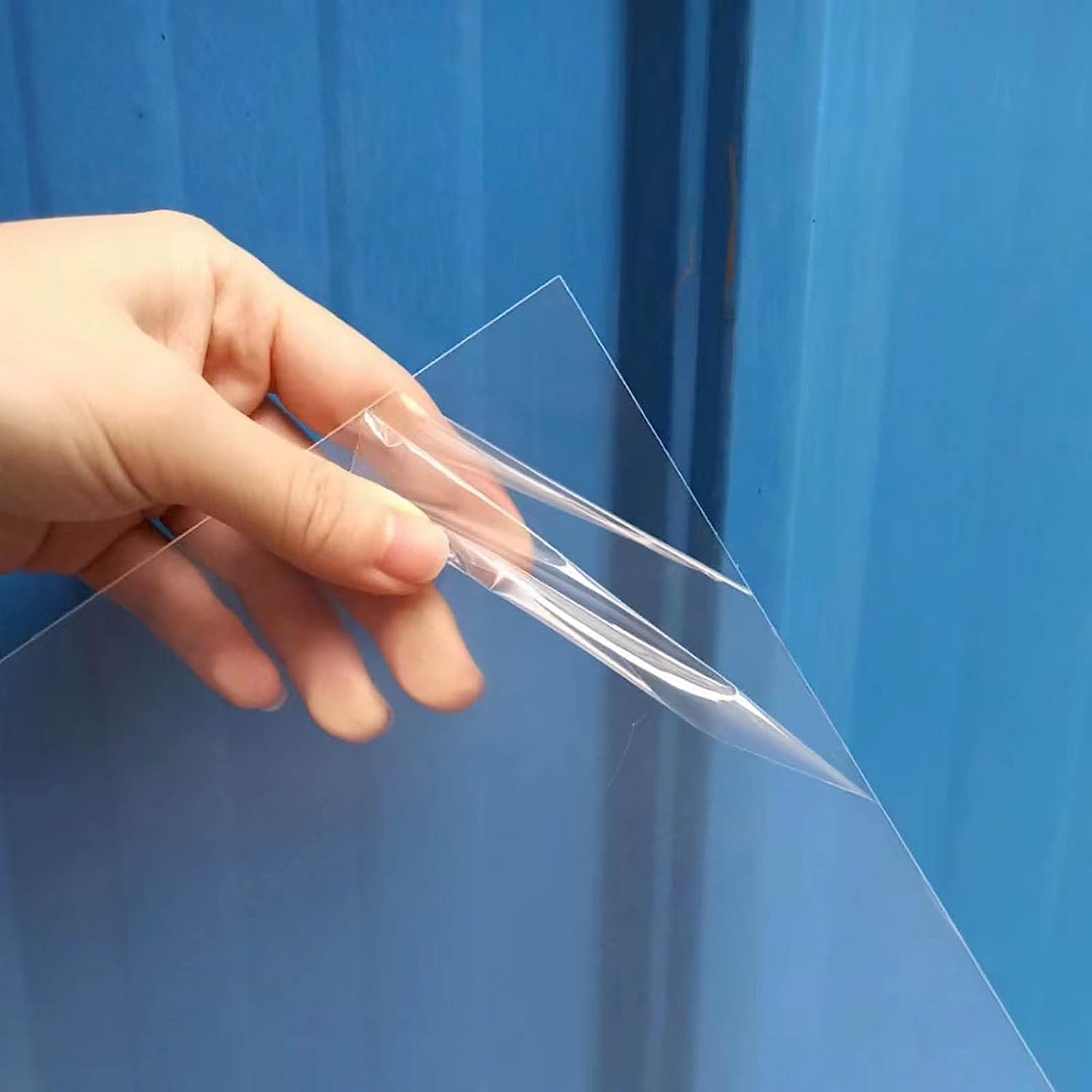
Water-Resistant Fire-Retardant PVC Sheet & Film
Wallis water-resistant fire-retardant PVC sheet and film is designed for commercial and industrial applications that require moisture resistance, customizable transparency, practical durability and enhanced flame-retardant performance. The material is available in clear, white and customized colors, as well as sheet and roll formats for different processing requirements.
With thickness options from 0.12 mm to 5 mm, Wallis PVC materials can be supplied for printing, die cutting, vacuum forming, thermoforming, protective barriers, transparent panels, packaging and other converting applications.
For projects that require a specific flame-retardant rating, buyers should provide the required test standard, target thickness, final application and destination market before ordering. Fire-retardant performance depends on the PVC formulation, thickness and applicable testing method and should not be interpreted as meaning that the material is completely fireproof or non-combustible.
Fire-Retardant PVC Sheet & Film Specifications
| Product | Water-Resistant Fire-Retardant PVC Sheet / Film |
| Material | PVC / Polyvinyl Chloride |
| Color | Clear, White, Red, Black and Customized Colors |
| Supply Format | Sheet / Roll |
| Thickness | 0.12 mm–5 mm |
| Standard Sheet Sizes | 700 × 1000 mm, 1000 × 2000 mm, 1220 × 2440 mm or Customized |
| Roll Width | 580 mm, 600 mm, 800 mm and Customized Widths Below 1280 mm |
| Key Functional Options | Water Resistance, Flame-Retardant Grade, Transparent or Colored Appearance |
| Processing | Printing, Vacuum Forming, Thermoforming, Die Cutting and Other Converting Processes |
| Fire-Retardant Requirement | Required Test Standard and Rating Should Be Confirmed According to Application, Thickness and Destination Market |
| Typical Applications | Protective Panels, Industrial Barriers, Commercial Partitions, Printing, Packaging, Displays and Formed Plastic Components |
What Is Fire-Retardant PVC Sheet?
Fire-retardant PVC sheet is a PVC material formulated or manufactured to achieve improved burning behavior compared with a standard grade when tested under specified conditions. Depending on the required application, different formulations may be developed to meet different flame-retardant performance requirements.
The terms fire-retardant and flame-retardant should not be confused with fireproof. A fire-retardant PVC material may help reduce ignition, flame propagation or continued burning under a particular test method, but this does not mean that it cannot burn, soften or deform when exposed to sufficient heat.
For B2B purchasing, the correct approach is to specify the required flame test rather than simply requesting an “anti-fire PVC sheet.” Buyers should provide the required standard, product thickness, end-use environment and any required compliance documentation before bulk production.
Key Features of Water-Resistant Fire-Retardant PVC
1. Water and Moisture Resistance
PVC does not absorb moisture like paper-based materials and can provide a practical barrier against water and humidity in many applications. This makes the material useful for protective panels, covers, partitions and other environments where occasional moisture exposure must be considered.
For finished assemblies, however, overall waterproof performance also depends on seams, joints, installation methods and surrounding components. The PVC sheet itself should therefore not be used as the sole basis for claiming that an entire installed system is waterproof.
2. Optional Flame-Retardant Performance
Wallis can discuss PVC material requirements where improved flame-retardant behavior is required. The relevant formulation and performance should be selected according to the customer's requested test method, thickness and final application.
3. Clear, White and Customized Colors
Transparent PVC provides visibility and light transmission for applications such as clear barriers and panels, while white and customized colors can be selected when opacity, branding or visual differentiation is required.
4. Wide Thickness Range
Wallis supplies PVC from 0.12 mm to 5 mm, allowing customers to select different levels of flexibility and rigidity according to printing, forming, fabrication and final-product requirements.
5. Sheet and Roll Supply
Both sheet and roll formats are available, allowing buyers to match the raw material to sheet-fed printing, cutting, forming, continuous converting or other production equipment.
6. Multiple Converting Options
Depending on the selected PVC grade and thickness, the material can be used for printing, die cutting, vacuum forming, thermoforming and other fabrication processes. Buyers should provide their downstream process when requesting material recommendations.
![Features and advantages of water-resistant fire-retardant PVC sheet film]()
Water-Resistant vs. Waterproof PVC: What Is the Difference?
Water Resistance of the PVC Material
PVC surfaces can resist moisture and direct water contact, making the material practical for many protective and barrier applications. Unlike absorbent substrates, water does not readily penetrate the PVC sheet itself.
Waterproof Performance of the Finished Product
Whether a finished product or installation is completely waterproof depends on much more than the PVC sheet. Seams, welded areas, fasteners, edges, joints and installation quality can all determine whether water enters the finished assembly.
What Should Buyers Specify?
If the application involves frequent water exposure, outdoor installation or liquid containment, provide details about water pressure, exposure duration, temperature, installation method and required service life so that the material and fabrication method can be evaluated together.
How to Specify Flame-Retardant PVC for Your Project
1. Confirm the Required Fire Test
Different countries, industries and applications may use different flame-retardant test methods. Provide the exact required standard or customer specification whenever possible instead of requesting only a generic “fire-resistant” grade.
2. Confirm Material Thickness
Flammability test performance may depend on specimen thickness. The required test standard and PVC thickness should therefore be confirmed together before material selection.
3. Describe the End Application
Tell Wallis whether the material will be used for a partition, panel, packaging component, printed product, formed part, protective barrier or another application. The intended use helps determine which material characteristics need to be prioritized.
4. Confirm Indoor or Outdoor Use
Outdoor use introduces additional requirements including sunlight, temperature cycling, rain and environmental exposure. If long-term outdoor performance is required, specify the expected service environment so appropriate weathering or UV requirements can be discussed.
5. Request Documentation Before Bulk Production
If your project requires formal fire-performance documentation, specify the exact report or certification requirement before placing an order. Testing requirements can vary by material grade, thickness, application and destination market.
Applications of Water-Resistant Fire-Retardant PVC Sheet & Film
Industrial Partitions and Protective Barriers
Transparent PVC can be used for industrial screens, partitions and protective barriers where visibility is important. For locations with specific fire-safety requirements, the appropriate flame-retardant grade and test standard should be confirmed before installation.
Commercial and Retail Spaces
Clear and colored PVC materials can be converted into display components, partitions, protective panels and other commercial products where moisture resistance, visibility and easy fabrication are useful.
Printing and Display Applications
Suitable PVC grades can be printed and converted into signs, display panels, promotional components and other visual products. Printing ink and surface compatibility should be tested before mass production.
Packaging and Protective Components
PVC sheet can be used in various packaging and protective applications requiring rigidity, moisture resistance or transparency. Regulatory or safety requirements should be confirmed whenever the packaging is intended for specialized markets.
Vacuum-Formed and Thermoformed Products
Appropriate PVC grades can be heated and formed into three-dimensional components. Buyers should provide forming depth, thickness, mold conditions and final performance requirements when requesting material for vacuum forming or thermoforming.
Clear vs. White Fire-Retardant PVC Sheet
Transparent PVC Sheet
Clear PVC should be selected where visibility and light transmission are important. Typical projects may include transparent partitions, display components, protective panels, windows and other applications where users need to see through the material.
White PVC Sheet
White PVC provides an opaque surface for applications where transparency is not required. It can also provide a neutral background for printing, visual identification or fabrication into opaque protective components.
Customized Colored PVC
Additional colors can be discussed when product identification, branding or visual differentiation is required. Buyers should confirm color together with thickness, transparency requirement and flame-retardant specification.
How to Choose the Right PVC Sheet or Film
Choose the Required Thickness
Thickness influences flexibility, rigidity, weight, processing behavior and finished-product structure. Wallis offers PVC materials from 0.12 mm to 5 mm for different production requirements.
Choose Sheet or Roll Format
Sheet format is suitable for sheet-fed printing, die cutting and many forming or fabrication applications, while roll format can be selected for compatible continuous-feeding and converting equipment.
Confirm Water Exposure
Describe whether the PVC will face occasional moisture, direct rain, continuous water contact or another wet environment. This information helps distinguish normal moisture resistance from projects that require a more carefully engineered waterproof assembly.
Confirm Fire-Performance Requirements
Do not select a flame-retardant material based only on the words “fire resistant.” Provide the actual required test standard or performance criterion so that the relevant grade can be evaluated.
Confirm Downstream Processing
Tell Wallis whether the PVC will be printed, die cut, thermoformed, vacuum formed or otherwise fabricated. The complete production process should be considered when selecting material thickness and grade.
Why Choose Wallis for Functional PVC Sheet & Film?
Broad Thickness Range
PVC materials from 0.12 mm to 5 mm provide B2B buyers with different options for printing, forming, packaging, displays and industrial fabrication.
Sheet and Roll Options
Both sheets and rolls are available, helping buyers source materials that better match existing printing, cutting and converting equipment.
Custom Dimensions and Colors
Standard sheet sizes, multiple roll widths and customized specifications can be discussed according to project requirements and production equipment.
Project-Based Functional Requirements
For projects involving flame retardancy, water exposure or specialized processing, buyers can provide detailed application requirements so that the relevant material specification can be evaluated before bulk production.
Workshop & Export Packaging
Proper material handling and export packaging help protect PVC surfaces, sheet edges and roll materials during storage and international transportation. Packaging requirements can be discussed according to the selected sheet or roll specification and shipment method.
![Wallis PVC sheet and film production workshop]()
![Export packaging for fire-retardant PVC sheets and rolls]()
FAQ About Fire-Retardant PVC Sheet & Film
Is fire-retardant PVC completely fireproof?
No. Fire-retardant or flame-retardant PVC is designed to provide improved burning behavior under specified test conditions, but it should not be described as completely fireproof or non-combustible. Performance depends on material formulation, thickness and the applicable test method.
What flame-retardant standard does the PVC meet?
The required fire test should be confirmed according to the customer's project. If your application requires a specific standard or rating, provide the exact requirement, target thickness and final use when requesting a quotation so the appropriate material specification and documentation can be evaluated.
Is the PVC sheet waterproof?
The PVC material itself provides strong resistance to water and moisture. However, the waterproof performance of a completed product also depends on seams, joints, edges, welding, fasteners and installation methods.
Can transparent PVC maintain visibility with a flame-retardant formulation?
Transparent flame-retardant PVC can be produced for applications where visibility is required, but optical appearance can vary according to thickness, formulation and processing requirements. Buyers should request samples when transparency is a critical specification.
What thicknesses are available?
Wallis currently supplies PVC materials from 0.12 mm to 5 mm. The appropriate thickness should be selected according to flexibility, rigidity, processing method, final product structure and required fire-performance specification.
Can Wallis supply both PVC sheets and rolls?
Yes. PVC is available in sheet and roll formats. Standard sheet sizes include 700 × 1000 mm, 1000 × 2000 mm and 1220 × 2440 mm, while multiple roll widths and customized dimensions can also be discussed.
Can fire-retardant PVC be used outdoors?
Outdoor suitability should be evaluated separately from flame-retardant performance. Sunlight, UV exposure, temperature, rain and expected service life can affect material selection. Provide the outdoor environment and required lifespan when requesting a material recommendation.
Can the PVC be printed?
Suitable PVC grades can be used for printing applications. Printing compatibility depends on the PVC surface, ink, printing technology and curing conditions, so sample testing is recommended before mass production.
Can the material be vacuum formed or thermoformed?
Yes, appropriate PVC grades can be used for vacuum forming and thermoforming. Buyers should provide the required thickness, forming depth, equipment conditions and final product requirements when requesting material.
Does flame-retardant performance change with thickness?
It can. Fire-test results may be specific to a particular material formulation and specimen thickness. When a formal rating is required, the test report should be checked against the actual thickness being purchased.
Can custom colors be supplied?
Wallis offers clear, white, red, black and additional customized color options. Color requirements should be confirmed together with thickness, transparency, quantity and required functional performance.
What information should I provide for a quotation?
Please provide the required thickness, sheet size or roll width, color, quantity, final application, processing method, water-exposure conditions and required flame-retardant standard or test method. These details help determine a more appropriate PVC specification and quotation.
Can I request a sample before bulk production?
For projects involving printing, forming, transparency requirements or flame-retardant specifications, sample evaluation is recommended before bulk production. Contact Wallis with your technical requirements to discuss suitable sample specifications.