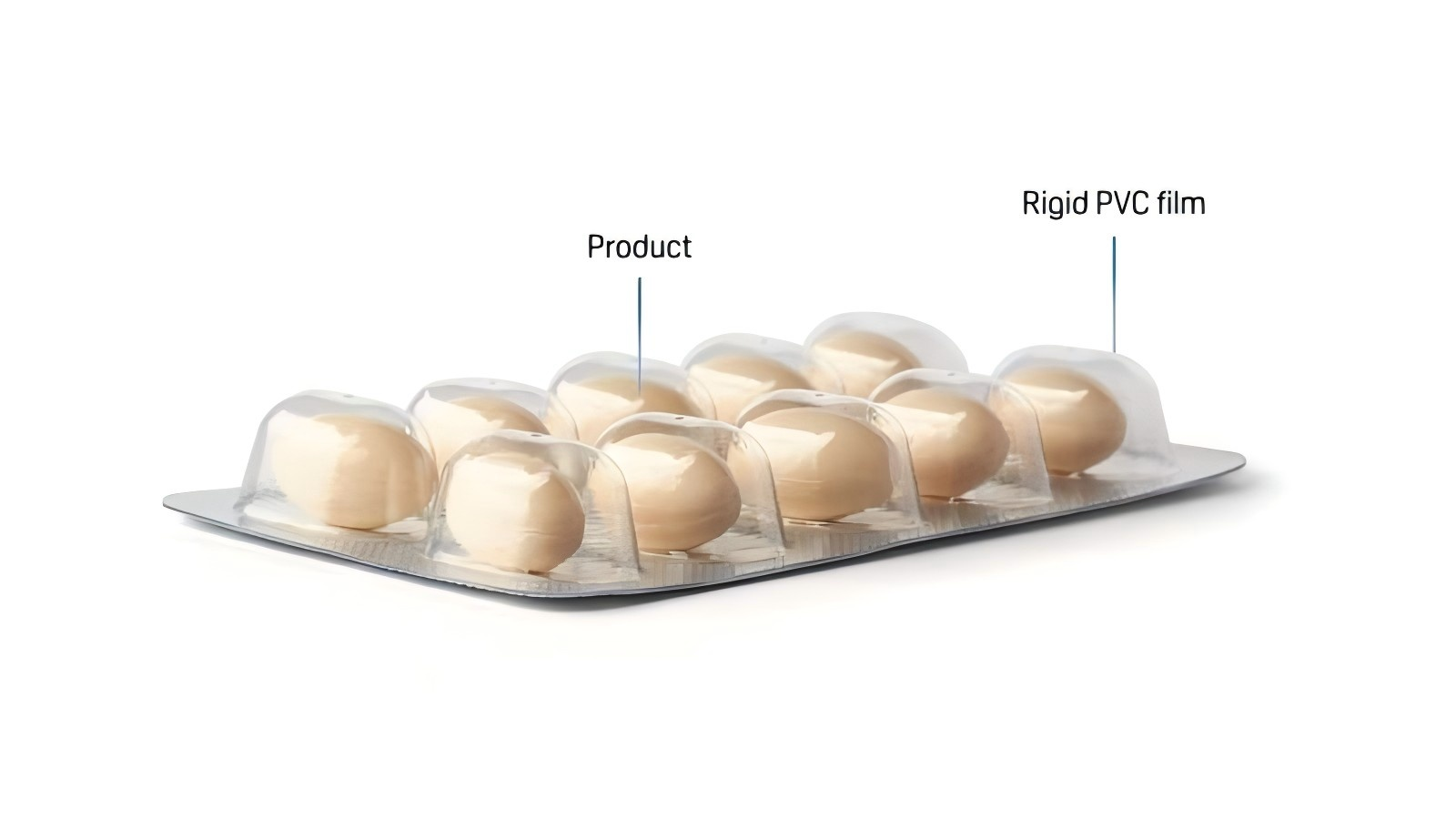
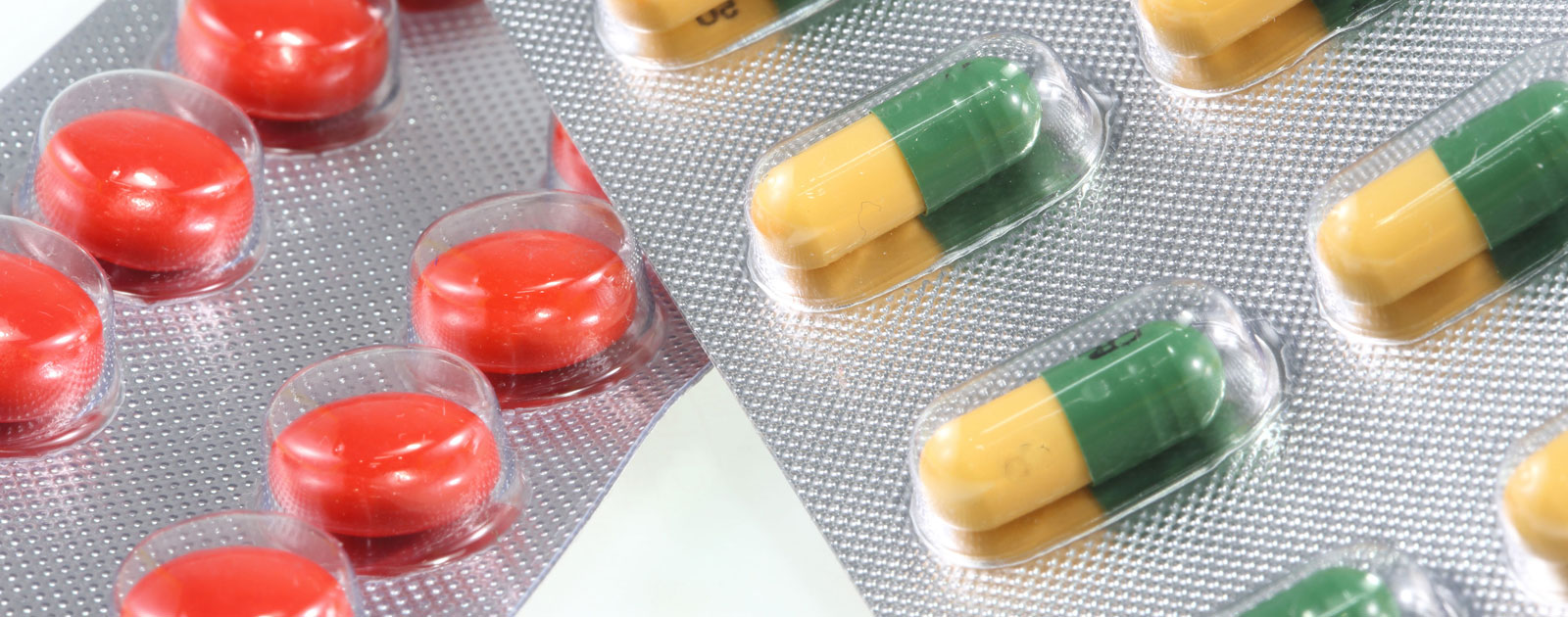
Transparent Rigid PVC Film for Pharmaceutical Blister Packaging
Wallis transparent rigid PVC film and sheet is designed for pharmaceutical blister packaging applications such as tablets, capsules and other suitable solid-dose products. The clear PVC forming material combines product visibility, rigidity and thermoforming capability for pharmaceutical packaging converters and blister packaging manufacturers.
Customized dimensions can be supplied according to blister machine specifications and packaging requirements. For pharmaceutical projects, buyers should confirm the required film thickness, roll width, roll diameter, core size, forming depth, lidding material, sealing conditions and applicable regulatory documentation before bulk production.
Standard rigid PVC provides a practical forming web for many blister applications, but barrier requirements vary significantly between pharmaceutical products. Moisture-sensitive or oxygen-sensitive medicines may require a higher-barrier structure rather than standard mono PVC, so packaging material selection should be validated against the stability requirements of the finished drug product.
Pharmaceutical Blister PVC Film Specifications
| Product | Transparent Rigid PVC Film / Sheet for Pharmaceutical Blister Packaging |
| Material | Rigid PVC / Polyvinyl Chloride |
| Color | Transparent |
| Size | Customized According to Packaging and Machine Requirements |
| Thickness | Customized — Confirm Required Thickness with Wallis |
| Roll Width | Customized According to Blister Packaging Line |
| Roll Diameter / Core | Confirm According to Customer Machine Configuration |
| Primary Process | Thermoforming for Pharmaceutical Blister Cavities |
| Typical Products | Tablets, Capsules and Other Suitable Solid-Dose Blister Applications |
| Lidding Compatibility | Confirm Lidding Foil, Heat-Seal Coating and Sealing Conditions Before Production |
| Regulatory Documentation | Specify Required Market, Pharmacopoeia, Test Report or Compliance Documentation When Inquiring |
| Barrier Requirement | Standard PVC or Higher-Barrier Structure Should Be Selected According to Drug Stability Requirements |
What Is Rigid PVC Film for Pharmaceutical Blister Packaging?
Rigid PVC blister film is a thermoformable plastic forming web used to create individual blister cavities. During packaging production, the film is heated, formed into the required cavity geometry, filled with the pharmaceutical product and then combined with an appropriate lidding material.
For tablets and capsules, transparent PVC allows the packaged dosage form to remain visible while providing the structural shape required for individual blister cavities. Material uniformity, flatness and forming behavior are important because they influence cavity consistency and packaging-line stability.
The correct PVC film cannot be selected only by appearance. Thickness, forming depth, cavity design, machine speed, forming temperature, sealing system and required barrier performance should all be evaluated when specifying a pharmaceutical blister material.
Why Transparency Matters in Pharmaceutical Blister Packaging
Product Identification
Transparent blister cavities allow tablets or capsules to remain visible without opening an individual cavity. This supports visual identification during packaging, distribution and use.
Visual Quality Inspection
Clear blister material allows manufacturers and users to visually inspect the packaged product for obvious physical changes, missing units or visible packaging defects.
Packaging Line Inspection
Transparency can also support automated or manual visual inspection systems used during blister filling and quality-control operations, subject to the specific production-line configuration.
When Transparency Is Not Enough
Some pharmaceutical products require additional protection from light. In these projects, transparent PVC may not be the appropriate choice unless a suitable UV-absorbing, tinted or alternative protective structure has been validated for the drug product.
Key Benefits of Rigid PVC Blister Forming Film
High Clarity
Transparent rigid PVC provides clear visibility of packaged tablets and capsules, making it suitable for pharmaceutical blister formats where visual product identification is required.
Reliable Thermoforming
PVC is widely used as a thermoforming web because it can be heated and formed into defined blister cavities. The selected grade should match the cavity depth, geometry and processing conditions of the customer's blister machine.
Dimensional Stability
Consistent dimensions and controlled film behavior help support accurate web transport, cavity positioning, sealing registration and downstream cutting on blister packaging equipment.
Custom Machine-Compatible Dimensions
Customized film width and roll configuration can help converters match material supply to existing pharmaceutical packaging equipment and reduce unnecessary trimming or machine adjustments.
Practical Base Material for Standard Blisters
Mono rigid PVC can provide an efficient forming solution for suitable pharmaceutical products where standard barrier performance meets the drug's validated packaging requirements.
PVC vs. PVC/PVDC for Pharmaceutical Blister Packaging
One of the most important decisions in pharmaceutical blister packaging is whether standard mono PVC provides sufficient protection or whether the drug requires a higher-barrier structure.
Mono Rigid PVC
Standard rigid PVC provides thermoformability, transparency and baseline packaging protection. It can be suitable for products whose stability studies demonstrate that the barrier performance of the selected PVC blister system is sufficient.
PVC/PVDC
PVC/PVDC structures combine a thermoformable PVC base with an additional barrier layer. They are typically considered when greater moisture or gas barrier performance is required than standard mono PVC can provide.
Which Structure Should You Select?
Material selection should be based on pharmaceutical stability data, shelf-life target, climate zone, lidding material, blister design and applicable regulatory requirements. A higher-barrier structure should not be selected or rejected solely on material cost.
How PVC Film Works on a Blister Packaging Line
1. Film Unwinding
Rigid PVC film is unwound and transported through the blister packaging machine. Roll width, core size, winding quality and roll diameter should match the equipment configuration.
2. Heating
The forming film is heated into an appropriate thermoforming window. Actual settings depend on the PVC grade, film thickness, machine design and target blister geometry.
3. Cavity Forming
The heated film is formed into individual cavities. Deeper or more complex blister designs may require different material behavior from standard shallow tablet cavities.
4. Product Filling
Tablets, capsules or other approved products are placed into the formed cavities according to the pharmaceutical packaging process.
5. Lidding and Heat Sealing
The formed PVC web is combined with a compatible lidding material. Sealing temperature, pressure, dwell time and heat-seal coating should be validated as part of the complete blister packaging system.
6. Cutting and Inspection
Finished blister packs are cut and inspected according to the manufacturer's validated packaging and quality-control procedures.
Applications of Transparent Pharmaceutical PVC Film
Tablet Blister Packaging
Rigid PVC forming film can be thermoformed into individual cavities for suitable pharmaceutical tablet products. Cavity dimensions and film specification should be selected according to tablet geometry and packaging-line requirements.
Capsule Blister Packaging
Capsules often require deeper cavity geometries than many tablets, making forming depth and material draw behavior important considerations during PVC film selection.
Unit-Dose Packaging
Blister formats can separate pharmaceutical products into individual cavities, supporting unit-dose presentation where the complete packaging system has been designed and validated for the intended product.
Customized Blister Formats
Different cavity dimensions, pack layouts and machine configurations may require customized film dimensions and forming characteristics. Buyers should provide drawings or machine specifications when requesting customized PVC blister material.
How to Select PVC Film for Your Blister Machine
Confirm Film Thickness
Film thickness affects rigidity, forming behavior, cavity strength and material usage. Specify your current approved thickness or provide blister requirements so the appropriate specification can be discussed.
Confirm Web Width
The roll width must correspond to the blister machine and tooling layout. Providing the existing web width is one of the most important steps when requesting replacement or alternative material.
Confirm Roll and Core Dimensions
Core inside diameter, maximum roll outside diameter and roll weight can affect machine loading and unwinding. These parameters should be included in B2B inquiries.
Provide Cavity Depth and Geometry
Standard tablet cavities and deep or complex capsule cavities can place different demands on the forming film. Providing cavity drawings helps evaluate the forming requirement more accurately.
Confirm Machine Speed and Forming Conditions
Machine speed, heating configuration and forming technology can influence material selection. The replacement material should be validated on the customer's actual production equipment before commercial use.
Pharmaceutical Packaging Quality & Regulatory Considerations
Pharmaceutical blister packaging is a regulated application, so material qualification should go beyond visual appearance and basic mechanical properties. The required documentation depends on the destination market, dosage form, contact conditions and pharmaceutical company's quality system.
Specify the Destination Market
Regulatory expectations differ between markets. Buyers should identify the country or region where the finished pharmaceutical product will be registered and sold.
Specify Required Documentation
If your qualification process requires a specific pharmacopoeial test, material declaration, regulatory statement, certificate of analysis or other technical document, state this requirement before ordering.
Validate the Complete Packaging System
The suitability of a pharmaceutical blister pack depends on the forming film, lidding material, heat-seal system, cavity design, packaged drug and manufacturing process. A PVC film should therefore be qualified as part of the complete packaging system.
Do Not Rely on Generic Compliance Claims
Before using the material for pharmaceutical contact, confirm that the exact grade, thickness and production specification being supplied is supported by the documentation required for your application and target market.
What Information Is Needed for a Pharmaceutical PVC Film Quote?
For faster technical evaluation and a more accurate quotation, provide the following information whenever possible:
Required PVC thickness
Required roll width
Core inside diameter
Maximum roll outside diameter or roll weight
Tablet or capsule dimensions
Blister cavity depth and layout
Blister packaging machine model
Current machine speed and forming method
Lidding foil or cover material
Required moisture and oxygen barrier level
Required color or UV/light-protection properties
Destination market
Required pharmaceutical or regulatory documentation
Annual or order quantity
If you are replacing an existing pharmaceutical blister film, providing the current specification sheet or sample can also help reduce material-selection errors.
Why Choose Wallis for Pharmaceutical Blister PVC Film?
Customized Dimensions
PVC material can be discussed according to customer blister packaging requirements, helping converters match material dimensions to their production equipment.
Transparent Pharmaceutical Packaging Material
Clear rigid PVC provides the product visibility required by many tablet and capsule blister packaging formats while supporting thermoforming into individual cavities.
B2B Technical Evaluation
Providing machine, cavity, thickness, roll and regulatory requirements allows Wallis to evaluate the project based on the actual pharmaceutical packaging application rather than only a generic PVC specification.
Sample Testing Before Bulk Orders
For a new material or supplier qualification project, production testing is recommended to evaluate thermoforming, web handling, cavity quality, sealing performance and compatibility with the customer's packaging equipment.
Workshop & Export Packaging
Pharmaceutical blister film should be protected from dust, contamination, surface damage, deformation and unsuitable storage conditions during handling and transportation. Packaging configuration should be confirmed according to roll dimensions, shipment method and customer quality requirements.
![Wallis rigid PVC film production workshop]()
![Export packaging for pharmaceutical rigid PVC blister film]()
FAQ About Pharmaceutical Blister PVC Film
What is rigid PVC film used for in pharmaceutical packaging?
Rigid PVC film is commonly used as the thermoforming web in blister packs for suitable tablets, capsules and other pharmaceutical products. The film is formed into cavities and combined with a compatible lidding material.
Is transparent PVC automatically approved for pharmaceutical use?
No material should be assumed to be suitable for pharmaceutical contact only because it is made from PVC. Buyers should verify the exact material grade, manufacturing specification, required regulatory documentation and suitability for the intended drug product and destination market.
Can PVC blister film be customized?
Yes. The current Wallis product is offered with customized dimensions. Buyers should provide required thickness, roll width, core size, roll diameter and machine information so the appropriate specification can be discussed.
What is the difference between PVC and PVC/PVDC blister film?
Mono PVC is a standard thermoforming material that provides baseline barrier protection. PVC/PVDC adds a higher-barrier layer and is commonly considered when a pharmaceutical product requires greater protection from moisture or gases. Final selection should be based on stability and packaging validation data.
Is ordinary PVC suitable for moisture-sensitive medicines?
That depends on the product's validated stability requirements. Highly moisture-sensitive medicines may require a higher-barrier blister structure. Pharmaceutical manufacturers should determine the required barrier level through product and packaging evaluation.
Can transparent rigid PVC be used for tablets and capsules?
Yes, rigid PVC is commonly used as a forming web for suitable tablet and capsule blister formats. Film thickness and forming characteristics should be matched to the product dimensions and cavity geometry.
Can PVC film run on high-speed blister packaging machines?
Machine performance depends on the specific PVC grade, thickness, equipment design, heating system, cavity geometry and line settings. Customers should provide their machine model and operating conditions and validate the film on the actual production line.
What information affects PVC thermoforming performance?
Important factors include film thickness, PVC formulation, forming temperature, heating time, machine speed, cavity depth, draw ratio and tooling design. Complex or deeper cavities may require different forming characteristics from standard shallow blisters.
Can PVC blister film be sealed with aluminum lidding foil?
PVC forming webs are commonly used in blister systems with compatible lidding materials, including appropriate foil structures. However, the heat-seal coating, sealing temperature, pressure and dwell time must be validated for the specific material combination.
Does clear PVC protect medicines from light?
Standard transparent PVC prioritizes product visibility and should not automatically be considered a light-barrier material. Products requiring UV or visible-light protection may need a tinted, UV-absorbing or alternative packaging structure.
What barrier data should pharmaceutical buyers request?
Depending on the drug product, buyers may need information relating to moisture transmission, oxygen transmission, light protection and other packaging performance parameters. Required test methods and acceptance criteria should be defined by the pharmaceutical packaging specification.
What regulatory information should I provide when requesting a quote?
Specify the destination market and any required pharmacopoeial, pharmaceutical-contact, regulatory or customer-specific documentation. This allows the exact material grade and available documentation to be evaluated before ordering.
Can I request a sample for machine testing?
For new supplier qualification or material conversion projects, sample testing is recommended. Provide the required thickness, width, machine model and blister configuration when discussing sample requirements.
What should I send Wallis for an accurate quotation?
Please provide thickness, roll width, core size, roll diameter, quantity, machine model, cavity dimensions, packaged product type, lidding material, barrier requirements, destination market and required technical or regulatory documentation.