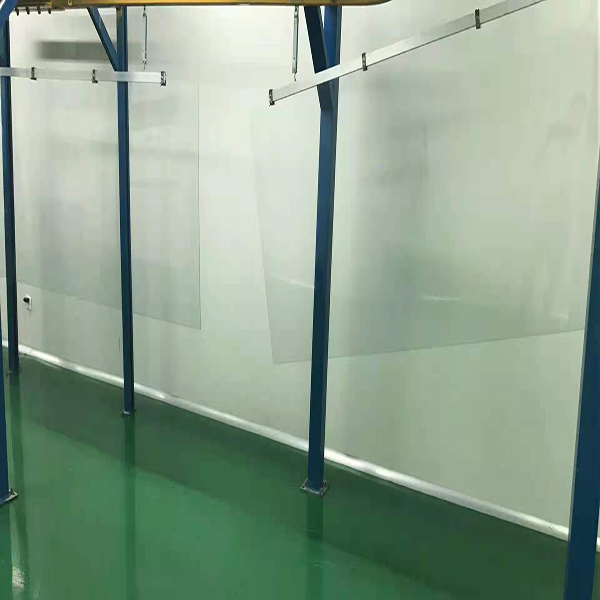
Hard Coated Polycarbonate Sheet for Clear, Durable Protection
Wallis hard coated polycarbonate sheet is a clear, impact-resistant PC sheet with a durable surface coating that improves resistance to scratches, abrasion, cleaning and everyday wear. It is designed for applications that need the safety and toughness of polycarbonate together with longer-lasting optical clarity.
Compared with standard uncoated polycarbonate, the coated surface helps reduce scuffs, haze development and appearance loss in frequently handled or regularly cleaned installations. Typical uses include machine guards, protective glazing, equipment windows, display covers, touch-screen panels, vehicle panels and architectural protection.
Request a Quote or Sample
Hard Coated Polycarbonate Sheet Specifications
The following standard range is available for industrial and commercial projects. Custom dimensions, coating configuration and further processing can be discussed according to the application and order quantity.
| Item | Available Specification |
| Material | Solid polycarbonate sheet with wear-resistant hard coating |
| Standard Sheet Sizes | 1020 × 2040 mm; 1220 × 2440 mm |
| Thickness Range | 1–20 mm |
| Surface Performance | Wear, scratch, heat, dilute acid, alkali and selected solvent resistance |
| Typical Optical Performance | 90% visible light transmission; haze <0.5% |
| Customization | Cut-to-size and project-specific processing available after technical confirmation |

Hard Coated Polycarbonate Sheet

Scratch-Resistant PC Sheet
Typical Performance and Quality Test Results
Wallis evaluates optical quality, coating adhesion, surface wear and water resistance before shipment. The table below presents typical results from the existing product test program.
| Testing Item | Testing Tool | Method / Condition | Typical Result |
| Visible Light Transmission | Transmittance tester | Direct testing | 90% |
| Haze | Haze meter | ASTM D1003 | <0.5% |
| Coating Adhesion | Boiling-water tester | 30 minutes in boiling water | 5B |
| Pencil Hardness | Pencil hardness tester | ASTM D3363 | B–HB |
| Steel-Wool Wear Resistance | Steel-wool wear tester | 1000 g/cm²; 3.3 cm stroke; 40 cycles/min; 200 cycles | No visible scratch |
| Water Resistance | Water immersion test | 24-hour water immersion | No visible change |
Important: Values are typical rather than guaranteed limits. Final performance can vary with thickness, substrate, coating side, color and production specification. Ask Wallis for the sample, test report and acceptance criteria that apply to your order.
Request Technical Data
Key Benefits of Hard Coated Polycarbonate
Longer-Lasting Scratch and Abrasion Resistance
The hard-coated surface resists routine scuffing and wear better than standard polycarbonate. This helps preserve visibility and appearance in high-contact environments such as machine enclosures, public-facing glazing and equipment windows.
High Optical Clarity and Low Haze
Typical visible light transmission is 90% with haze below 0.5%, supporting clear viewing through guards, covers, panels and glazing. Optical performance should be confirmed for the selected thickness, color and coating configuration.
High Impact Strength for Safer Glazing
The polycarbonate substrate provides substantially greater impact resistance than ordinary glass while remaining lightweight. It is a practical choice where breakage risk, worker protection or equipment visibility is important.
Improved Resistance to Cleaning and Chemicals
The coating improves resistance to common cleaning, dilute acid, alkali and selected solvent exposure. Because chemical compatibility depends on concentration, temperature and contact time, buyers should identify the exact chemical environment before ordering.
Optional UV and Weathering Performance
For outdoor projects, specify a UV-stabilized coating system and confirm the weathering requirement with Wallis. This helps reduce yellowing and optical deterioration caused by long-term sunlight exposure.
Lightweight and Project-Ready
Hard coated PC sheet is easier to handle than glass of comparable area and can reduce structural load. Cut-to-size and project-specific fabrication can simplify installation and downstream assembly.

Features of Hard Coated Polycarbonate Sheets
Hard Coated Polycarbonate vs Standard PC and Glass
Hard coating addresses the main weakness of standard polycarbonate—its relatively soft surface—without giving up the material’s impact strength. The best material depends on whether the project prioritizes surface hardness, impact safety, weight or fabrication flexibility.
| Selection Factor | Hard Coated PC | Standard PC | Glass |
| Impact Resistance | Excellent | Excellent | Lower; may fracture |
| Surface Wear Resistance | Improved by hard coating | More easily scratched | Excellent |
| Weight | Lightweight | Lightweight | Heavier |
| Optical Clarity | High | High when new | High |
| Forming Flexibility | Grade-dependent; confirm before forming | Generally easier to form | Limited after manufacture |
| Best Fit | High-wear safety glazing and protective panels | General-purpose impact-resistant panels | Rigid glazing where surface hardness is the priority |
How to Select the Right Hard Coated PC Sheet
Choose One-Side or Two-Side Hard Coating
A one-side coating may be sufficient when only the exposed face is subject to contact or cleaning. Two-side coating is more suitable when both surfaces can be handled, abraded or exposed. Confirm the required coating side before production.
Define Indoor or Outdoor Exposure
Indoor and outdoor projects require different coating priorities. For exterior glazing, provide the expected UV exposure, service temperature, weather conditions and required service life so the appropriate UV-resistant grade can be evaluated.
Confirm Flat, Bent or Thermoformed Use
Some hard-coated sheets are intended mainly for flat applications, while formable grades require controlled bend radius, temperature and process conditions. Do not assume every coated grade can be cold bent or thermoformed. Share drawings and forming details before ordering.
Match Thickness to Span, Load and Safety Requirements
Select thickness according to panel size, support spacing, expected impact, wind or machine load and applicable safety standards. Wallis can review the size and fabrication requirements, but final engineering approval should follow the project’s load and compliance criteria.
Applications of Scratch-Resistant Polycarbonate Sheet
Machine Guards and Industrial Viewing Panels
Clear hard coated PC allows operators to monitor equipment while the impact-resistant substrate provides separation from moving parts and debris. The abrasion-resistant surface helps maintain visibility through repeated cleaning and workshop contact.
Displays, Touch Panels and Protective Covers
Low haze and high light transmission make the sheet suitable for display covers, touch-screen overlays, TV covers, instrument windows, furniture protection and frequently handled panels.
Transportation and Vehicle Glazing
Project-specific coated polycarbonate can be considered for interior vehicle panels, partitions, protective windows and specialty glazing. Share the relevant impact, optical, flame, UV and regulatory requirements before material selection.
Architectural and Public-Area Protection
Potential uses include protective glazing, partitions, railings, sound-barrier panels, service-counter shields and other high-traffic areas where clarity, impact performance and easier maintenance are required.

Touch Screen

TV Cover

Furniture

Furniture Cover

Blackboard

Vehicle Shade

Bubble Room

Machine Cover
Custom Fabrication and Ordering Options
Cut-to-size sheets: supply dimensions based on your drawing or cutting list.
CNC processing: discuss routing, drilling, holes, slots and shaped parts before coating or final production.
Coating configuration: specify whether one or both faces require surface protection.
Optical and appearance options: confirm clear or project-specific color, gloss and visual requirements.
Protective masking and packaging: sheets can be protected for handling, shipment and downstream fabrication.
For an accurate quotation, provide: sheet thickness, length and width, quantity, coating side, indoor or outdoor use, flat or formed geometry, chemical exposure, required test standards, machining drawing, destination port and packaging requirements.
Why Choose Wallis Plastic?
Coating-focused production: surface treatment designed for adhesion, clarity and wear resistance.
Quality verification: optical, haze, hardness, adhesion, water and abrasion checks available for project review.
OEM support: custom thickness, dimensions, coating configuration and fabrication can be evaluated.
Wholesale supply: production and packaging support for repeat international orders.
Technical communication: application details can be reviewed before sampling and mass production.

Wallis Hard Coated Polycarbonate

Scratch-Resistant PC Sheet
Workshop, Coating Line and Test Laboratory
Quality control is especially important for coated plastic because optical clarity alone does not confirm coating durability. Wallis uses dedicated equipment to evaluate transmittance, haze, abrasion, weathering and surface performance.

Transmittance & Haze Tester

Taber Abrasion Tester

Salt Spray Tester

UV Weathering Tester

Coating Line

Protective Masking Film

Export Packaging
Care, Cleaning and Fabrication Guidelines
Leave the protective masking in place during transport and most fabrication steps, then remove it promptly after installation.
Clean with clean water, mild soap and a soft microfiber cloth. Rinse away dust before wiping.
Do not use abrasive pads, scrapers or unapproved solvents. Test any cleaner on an inconspicuous area first.
Protect cut edges from chemicals when the application involves repeated solvent or cleaner exposure.
Allow for polycarbonate thermal expansion in frames, holes and fastening systems.
Request grade-specific instructions before bending, thermoforming, printing, bonding or machining.
Trusted by Customers Worldwide
Wallis supports international buyers with sampling, specification review, production communication and export packaging for custom plastic sheet projects.

Company Daily Operations
Customer Feedback
Frequently Asked Questions
What is a hard coated polycarbonate sheet?
It is a solid polycarbonate sheet with a cured surface coating that improves resistance to abrasion, scratches, cleaning and selected chemicals. The coating protects the surface while the PC substrate supplies optical clarity and high impact strength.
Is hard coated polycarbonate completely scratch-proof?
No transparent plastic is completely scratch-proof. “Scratch-resistant” means the coated sheet withstands routine scuffing and abrasion better than uncoated PC. Sharp tools, abrasive cleaners or excessive force can still damage the surface.
What are the standard sizes and thicknesses?
Wallis lists standard sheet sizes of 1020 × 2040 mm and 1220 × 2440 mm, with thicknesses from 1 to 20 mm. Custom cutting and processing can be evaluated according to the drawing, quantity and application.
Can the coating be applied to one side or both sides?
The coating configuration should match the exposure. One-side coating is suitable when only one face requires protection; two-side coating is preferred when both faces will be handled, cleaned or exposed. Confirm availability and MOQ with Wallis.
Can hard coated PC sheet be bent or thermoformed?
Formability depends on the coating system, thickness, bend radius and temperature. Some grades are intended only for flat use. Send the part drawing and forming process to Wallis so a suitable grade and trial procedure can be confirmed before mass production.
Is this sheet suitable for outdoor use?
It can be specified for outdoor applications when the selected grade includes appropriate UV and weathering protection. State the installation location, expected sunlight exposure and required service life, then request the matching weathering data or warranty terms.
How should hard coated polycarbonate be cleaned?
Remove loose dust with water, wash with mild soap and use a clean, soft cloth. Avoid abrasive pads, razor blades and unapproved solvents. Chemical compatibility should be checked before repeated cleaning with alcohols, disinfectants or industrial cleaners.
Can Wallis provide samples and test reports?
Samples and applicable test information can be discussed before an order. Tell Wallis which properties and standards matter—such as transmission, haze, pencil hardness, abrasion, adhesion, UV exposure or chemical resistance—so the correct sample can be prepared.
What is the minimum order quantity?
MOQ depends on thickness, sheet size, coating configuration, color and processing. Send your complete specification and expected annual demand to receive an accurate quotation.
Request a Hard Coated Polycarbonate Quote
Send Wallis your dimensions, quantity, application, coating-side requirement, drawings and test standards. Our team will review material suitability and prepare a project-specific quotation.
Contact Wallis Plastic