Custom Laser Dot PMMA Acrylic Light Guide Plate (LGP)
Wallis manufactures custom laser dot PMMA acrylic light guide plates (LGPs) for edge-lit LED lighting, advertising light boxes, retail displays, illuminated shelves, signage, ceiling lighting and architectural lighting projects.
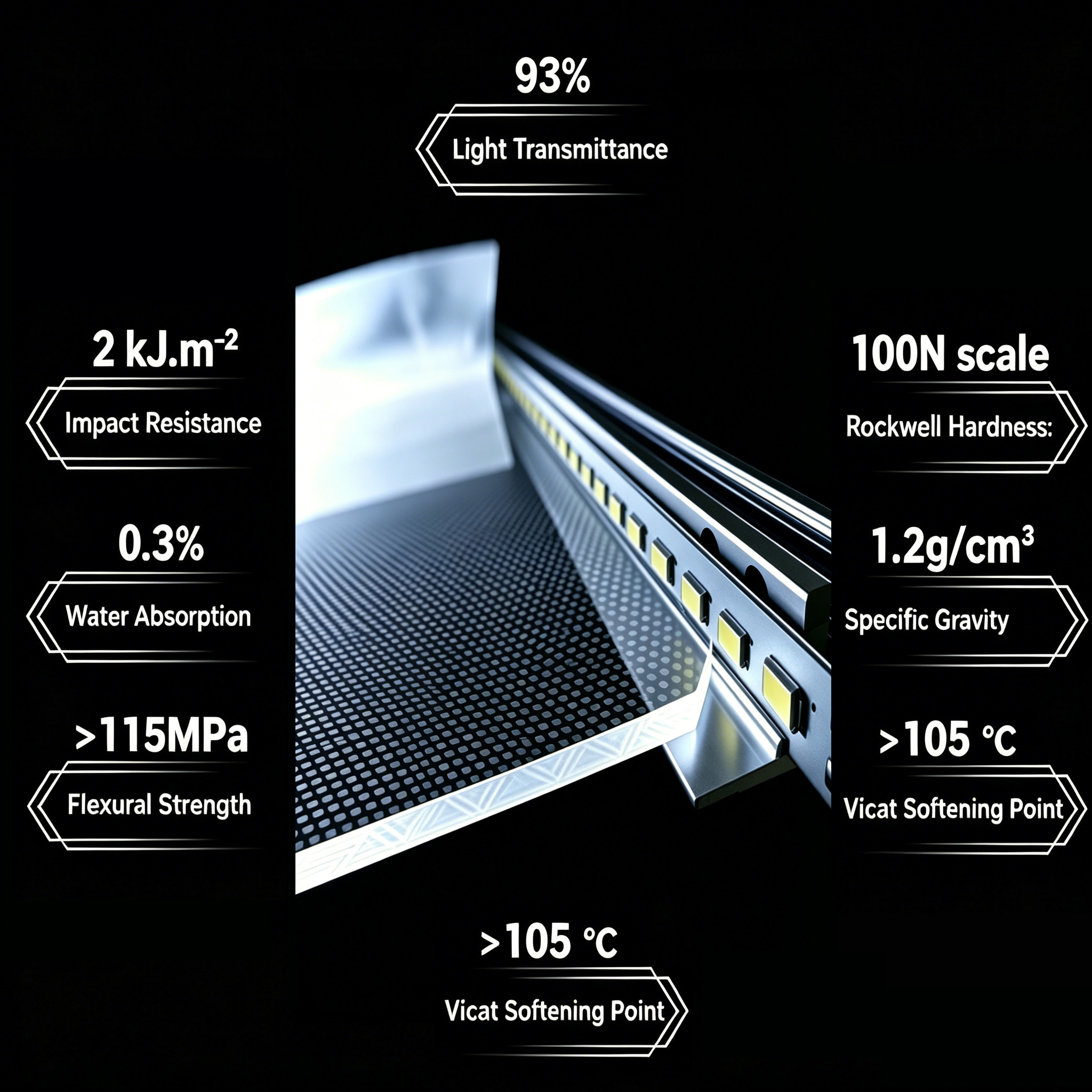
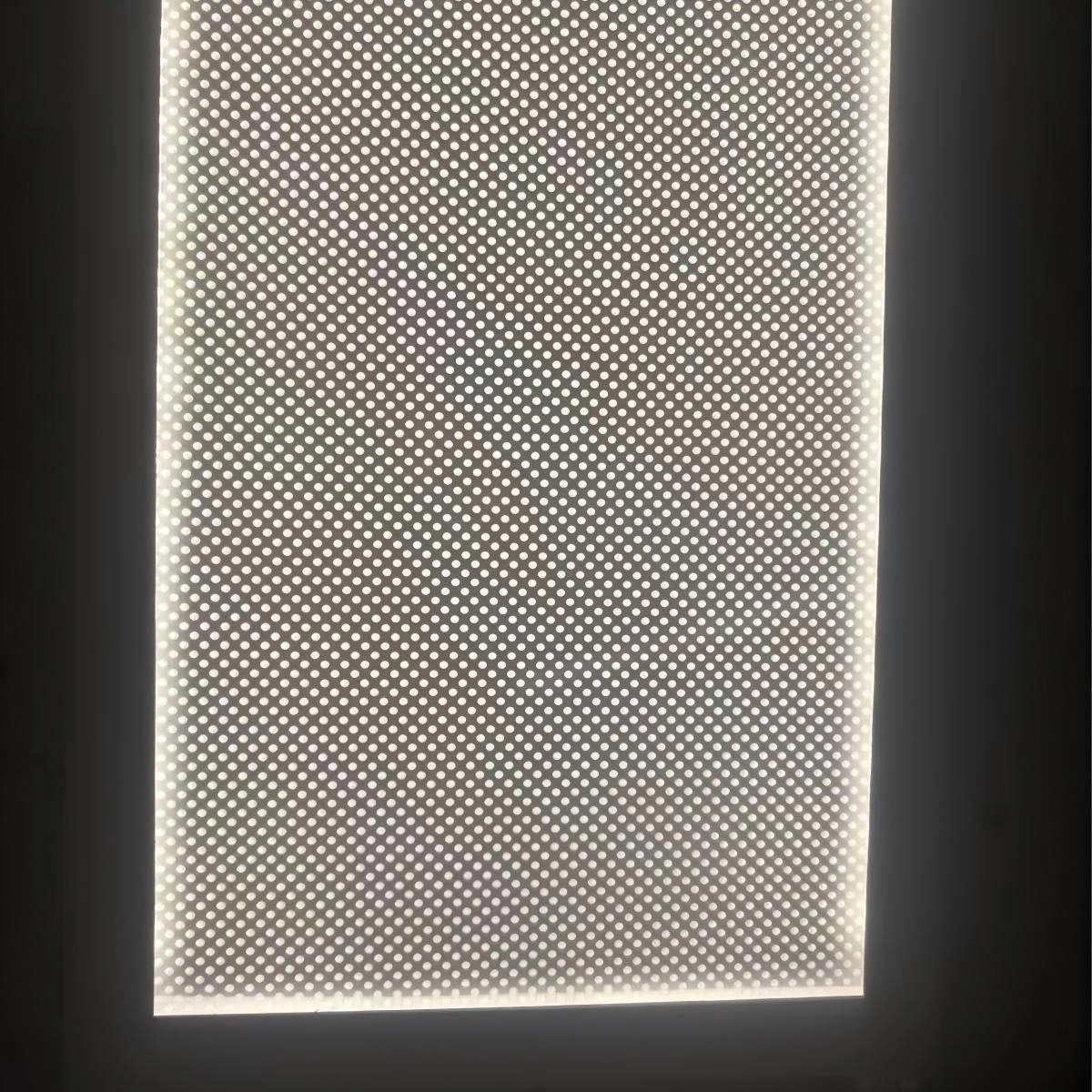
Precision laser-engraved dot patterns are designed across the PMMA surface to extract light traveling through the acrylic panel and distribute it across the required illuminated area. Dot size, density and spacing can be adjusted according to panel dimensions, LED position, light-input direction and application requirements.
Wallis supports 3–12 mm thicknesses, customized dimensions, laser dot processing, V-cutting, CNC cutting, drilling, edge polishing and single- or double-sided visual configurations for prototype and bulk LGP projects.
PMMA Acrylic Light Guide Plate Specifications
The following specifications apply to the current Wallis laser-dot acrylic LGP range. Final optical design should be matched to the finished panel dimensions, LED arrangement and required light-emitting surface.
| Product Name | Laser Dot PMMA Acrylic Light Guide Plate | Brand | Wallis |
| Material | Optical PMMA Acrylic | Thickness | 3–12 mm |
| Raw Material Size | 1220 × 2440 mm | Finished Size | Customized to Project Requirements |
| Light Transmittance | Up to 93% for Specified Clear PMMA Material | Processing | Laser Dots / V-Cutting Lines |
| Visual Surface | Single-Sided / Double-Sided | MOQ | 1 Piece |
| Custom Fabrication | CNC Cutting / Drilling / Edge Polishing / Shape Processing | Packaging | Carton / Wooden Box |
| Primary Use | Lighting / Signage / Displays / Decoration | Place of Origin | Shanghai, China |
How a Laser Dot Acrylic Light Guide Plate Works
1. LED Light Enters Through the Acrylic Edge
LED strips or modules are positioned close to one or more polished PMMA edges. Good alignment between the LED emitting surface and the acrylic edge helps improve light coupling into the panel.
2. Light Travels Through the PMMA Panel
Once light enters the acrylic, it travels through the panel. Panel thickness, dimensions, edge quality and the number of illuminated edges influence how efficiently light can travel through the LGP.
3. Laser Dots Extract the Guided Light
Laser-engraved microdots interrupt the internal light path and extract controlled portions of light through the panel surface. The pattern can become progressively denser farther away from the LED source to compensate for light loss across the plate.
4. The Complete Optical Assembly Controls the Final Output
In many single-sided lighting assemblies, the LGP works together with a rear reflector and front diffuser. These components help redirect unused light and smooth the visible illuminated surface. The final optical structure should be evaluated as a complete system rather than by the LGP alone.

Different Acrylic LGP Processing

Edge-Lit LGP Working Principle
Key Optical Design Parameters for Custom LGPs
A light guide plate should not be selected only by acrylic thickness. For better uniformity, the optical pattern should be designed around the complete LED lighting configuration.
Finished Panel Size
Larger panels require light to travel a greater distance. Panel length and width therefore influence the dot-density gradient, number of input edges and suitable PMMA thickness.
PMMA Thickness
Wallis offers 3–12 mm LGP thicknesses. The suitable thickness depends on panel dimensions, LED package height, structural requirements and available installation space.
LED Position & Pitch
LED spacing and the distance between individual LED packages can affect bright bands near the panel edge. Providing the intended LED strip or module specification helps the LGP pattern be matched to the actual light source.
Number of Light-Input Edges
An LGP can receive light from one, two or multiple edges depending on the project. Large-format panels may benefit from additional input edges when a single LED edge cannot provide the required travel distance or uniformity.
Laser Dot Density
Dot spacing and density should be adjusted according to distance from the LEDs. A project-specific gradient helps balance brighter areas near the light source with areas farther from the illuminated edge.
Edge Polishing
The light-input edge should be clean and well polished to support efficient coupling between the LEDs and PMMA panel. Edge condition is especially important for long-distance light guiding.
Single-Sided or Double-Sided Light Output
Wallis can support single-sided or double-sided visual configurations. The reflector, diffuser and dot layout should be selected according to which surfaces are intended to emit light.
Benefits of Laser Dot PMMA Light Guide Plates
Uniform Surface Illumination
A properly designed laser-dot matrix helps distribute edge light across the panel instead of concentrating brightness next to the LED strip. This reduces visible center-to-edge brightness differences and supports a cleaner illuminated surface.
Slim Edge-Lit Lighting Structure
Because LEDs are positioned along the panel edge rather than directly behind the full illuminated area, an LGP can support thinner light boxes, display panels and architectural lighting assemblies.
Custom Optical Distribution
Laser dot density can be modified across different areas of the same plate to compensate for light attenuation and meet project-specific illumination requirements.
High-Transparency PMMA Base Material
The specified clear PMMA material provides light transmittance of up to 93%. This value refers to the acrylic material itself; finished-system brightness and optical efficiency also depend on LEDs, dot pattern, dimensions, reflector and diffuser configuration.
Flexible Mechanical Customization
Panel dimensions, shapes, holes, slots, notches and polished edges can be customized according to customer drawings and assembly requirements.
Laser Dots vs V-Cutting for Acrylic LGPs
Wallis supports both laser-dot and V-cutting processing. The appropriate extraction structure depends on panel geometry, lighting direction and desired visual effect.
| Comparison | Laser Dot Processing | V-Cutting Processing |
| Optical Structure | Microdot Matrix | Precision V-Shaped Lines or Grooves |
| Pattern Control | Dot Density Can Vary Across the Panel | Line Direction and Spacing Can Be Customized |
| Typical Use | General Edge-Lit Light Boxes, Displays and Panels | Projects Requiring Directional or Line-Based Extraction |
| Selection | Based on Panel Size, LED Arrangement and Uniformity Target | Based on Optical Direction and Mechanical Design |
Applications of Laser Dot Acrylic Light Guide Plates
LED Advertising Light Boxes
Laser-dot LGPs can distribute edge-mounted LED light behind posters, graphics, menu boards and advertising displays while supporting a relatively slim light-box structure.
Retail Shelf & Display Lighting
Customized acrylic LGPs can be integrated into shelves, showcases, cabinets and merchandising fixtures where a thin illuminated surface is required.
Menu Boards & Wayfinding Signs
Edge-lit light guide plates can support evenly illuminated menu boards, information signs and directional graphics in restaurants, shopping centers and public spaces.
Ceiling & Architectural Lighting
PMMA LGPs can be incorporated into thin ceiling panels, illuminated wall features, furniture and other architectural lighting assemblies.
Exhibition & SEG Fabric Light Boxes
Large-format display systems can use customized LGPs where project dimensions, LED placement and optical configuration are engineered for the specific frame.
Electronic & Specialty Backlighting
Customized light guide plates can also be evaluated for specialty display modules, control panels and other applications requiring controlled light extraction from an edge-lit optical plate.

Commercial Lighting Applications

Architectural Lighting Applications
Custom LGP Fabrication Options
Mechanical dimensions are just as important as optical performance when an LGP must fit into an existing light-box frame or LED assembly.
Custom Dimensions
Finished length and width can be processed according to customer drawings within the available raw-material dimensions and manufacturing capability.
CNC Cutting
CNC machining can be used to produce customized outer profiles, slots, recesses and other mechanical features required by the lighting assembly.
Drilling & Openings
Mounting holes and other openings can be incorporated according to drawings, provided they do not interfere with critical light-guiding areas.
Edge Polishing
Light-input edges can be polished to improve optical coupling, while non-input edges can be processed according to the final reflector and frame design.
Prototype Samples
With a listed MOQ of one piece, a prototype can be evaluated with the intended LED strips, reflector, diffuser and mechanical frame before larger production quantities are confirmed.
Bare LGP Plate vs Complete LED Light Panel
A light guide plate is the optical PMMA component inside an edge-lit lighting system. It should not automatically be treated as the complete LED panel light.
A complete lighting assembly may also require LED strips or modules, reflector material, diffuser sheets, an aluminum frame, wiring, power supply and mounting components. If your project requires more than the processed acrylic LGP, specify the complete assembly requirements when requesting a quotation.
What to Provide for an Accurate LGP Quote
For a custom laser-dot LGP, providing optical and mechanical information together helps reduce repeated revisions and improves project evaluation.
Required quantity
Finished length and width
Required PMMA thickness
CAD or dimension drawing
LED strip or LED module specification
LED pitch and package dimensions
Number and location of light-input edges
Single-sided or double-sided light output
Laser dots or V-cutting preference
Required holes, slots or custom shapes
Reflector and diffuser configuration, if known
Bare LGP plate or complete lighting assembly requirement
Target application and installation environment
Why Choose Wallis for Custom Acrylic LGP Projects?
Precision Laser Dot Processing
Laser dot patterns can be customized according to panel dimensions, LED placement, light-input direction and the required illuminated area.
3–12 mm PMMA Thickness Range
Multiple PMMA thickness options allow the LGP to be matched to different LED packages, panel dimensions and structural requirements.
Mechanical Customization
CNC cutting, drilling, customized shapes and edge polishing can be combined with the optical dot pattern according to customer drawings.
Prototype Support
The listed MOQ of one piece allows buyers to evaluate customized samples before confirming larger production requirements.
B2B Lighting Project Support
Wallis supports customized LGP projects for LED lighting manufacturers, light-box manufacturers, signage companies, display suppliers, retail-fixture companies and other commercial buyers.
Production & Global Project Cooperation
Custom LGP projects can include PMMA cutting, laser-dot processing, V-cutting, CNC fabrication, edge polishing, cleaning, inspection and protective export packaging according to the confirmed order specification.
Frequently Asked Questions About Acrylic Light Guide Plates
What is a PMMA acrylic light guide plate?
A PMMA light guide plate is an optical acrylic panel designed to receive LED light from one or more edges and distribute that light across a larger surface through laser dots, engraved lines or other light-extraction structures.
Is LGP the correct term instead of LPG?
Yes. In this product category, LGP stands for Light Guide Plate. “LPG” in an acrylic lighting product title is normally a transposition of the letters and should be corrected to LGP for technical accuracy and search relevance.
How do laser dots make an LGP illuminate evenly?
Light travels through the PMMA from the LED edge. Laser dots interrupt the guided light and extract controlled portions through the panel surface. Adjusting dot density across the plate helps compensate for decreasing light intensity farther from the LEDs.
What thicknesses are available?
Wallis lists thicknesses from 3 mm to 12 mm for this product. The appropriate thickness depends on panel size, LED package dimensions, light-travel distance and structural requirements.
Does 93% transmittance mean the finished LGP is 93% efficient?
No. The listed value refers to light transmission of the specified clear PMMA material. Finished system efficiency and brightness also depend on LED coupling, panel dimensions, dot pattern, reflectors, diffusers and other optical losses.
Can the laser dot density be customized?
Yes. Dot density can be matched to the finished LGP size, PMMA thickness, LED position, LED pitch, number of illuminated edges and required light-emitting direction.
What is the difference between laser dots and V-cutting?
Laser-dot processing uses a matrix of microdots to extract light across the panel, while V-cutting uses linear grooves. Selection depends on panel geometry, light direction and the desired optical effect.
Does an acrylic LGP need a reflector?
Many single-sided edge-lit systems use a reflector behind the LGP to redirect light toward the viewing surface. Transparent double-sided applications may use a different optical structure, so the complete assembly should be evaluated according to the intended output.
Why is edge polishing important?
A smooth, transparent light-input edge helps LED light couple into the acrylic more efficiently. Rough or damaged edges can increase unwanted scattering and optical loss.
Can large LGP panels be illuminated from multiple edges?
Yes. Depending on panel dimensions and brightness requirements, LEDs can be positioned on two or more edges. The laser-dot layout should then be designed around the selected input-edge configuration.
Can Wallis make custom shapes and holes?
Yes. CNC cutting, drilling, customized profiles, slots and edge processing can be discussed according to customer drawings and the optical requirements of the panel.
Is the product a complete LED panel light?
The core product described here is a processed PMMA acrylic light guide plate. If LEDs, reflector sheets, diffuser sheets, frames, wiring or other components are required, list them separately so the complete assembly scope can be confirmed.
What is the MOQ?
The current listed MOQ is one piece, allowing buyers to evaluate a customized prototype before committing to a larger production order.
What is the usual production time?
The current product information lists approximately 3–7 working days for samples and approximately 2–5 weeks for mass production, depending on quantity and customization. Final lead time should be reconfirmed with the project quotation.
What information should I provide for a quotation?
Please provide quantity, finished dimensions, thickness, CAD drawing, LED model or strip specification, LED pitch, number of illuminated edges, output direction, laser-dot or V-cut preference and any holes, slots or other machining requirements.
Start Your Custom Acrylic LGP Project
Looking for a custom laser dot acrylic light guide plate, PMMA LGP or edge-lit LED light guide panel? Send Wallis your panel drawing, thickness, LED specification, illuminated-edge configuration and quantity for optical and manufacturing evaluation.