Custom PMMA Acrylic Light Guide Plate with Laser Dots
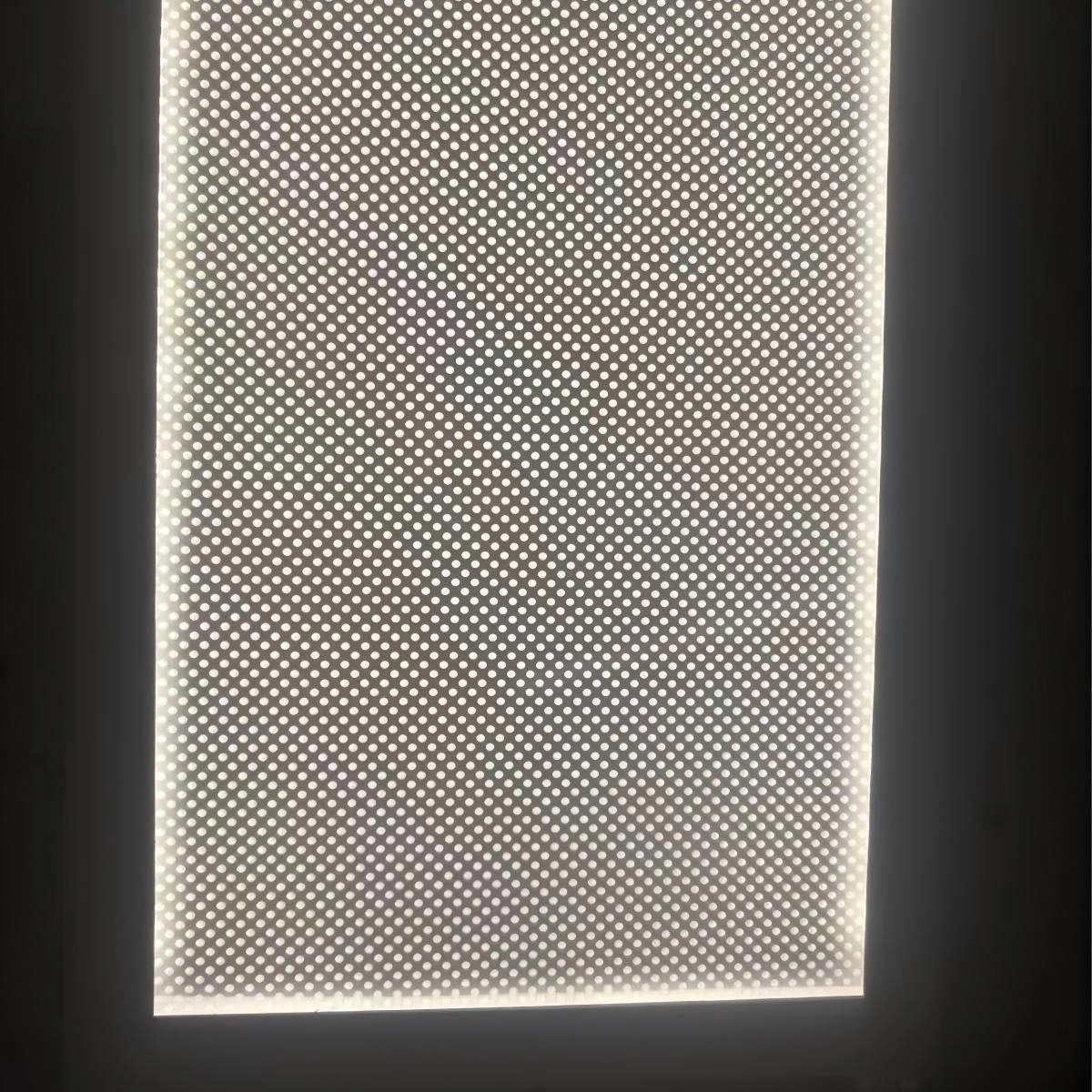
Wallis manufactures custom PMMA acrylic light guide plates (LGPs) with precision laser dots for LED light boxes, advertising displays, retail shelves, ceiling lighting, menu boards and other edge-lit applications. The optical dot pattern redirects light entering from the panel edge and distributes it across the illuminated surface for bright, consistent output.
Available in 3–12 mm thicknesses, custom dimensions and single- or double-sided visual configurations, each PMMA LGP can be matched to the panel size, LED position, light-input edge and required application. Wallis also supports laser dotting, V-cutting, CNC cutting, drilling, edge polishing, cleaning and export packaging for OEM and project orders.
Request a Custom LGP Quote
PMMA Light Guide Plate Specifications
| Product Name | PMMA Acrylic Light Guide Plate | Brand | Wallis |
| Material | PMMA acrylic | Thickness | 3–12 mm |
| Raw Material Size | 1220 × 2440 mm | Finished Size | Customized to drawings |
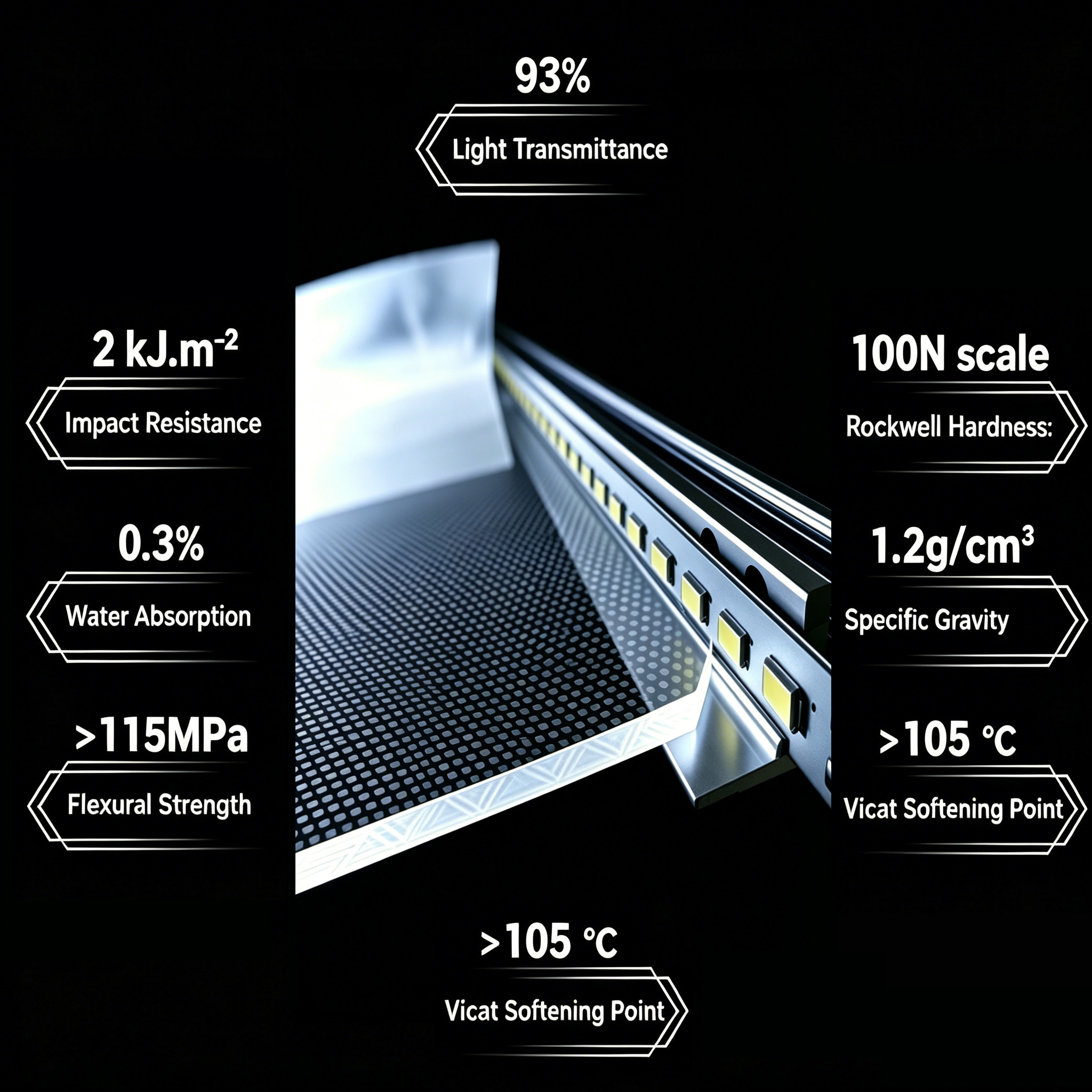
| Light Transmittance | Up to 93% for the specified clear PMMA material | Processing Method | Laser dots or V-cutting lines |
| Visual Surface | Single-sided or double-sided | Minimum Order Quantity | 1 piece |
| Custom Fabrication | CNC cutting, drilling, polishing and edge processing | Packaging | Carton and wooden box |
| Primary Use | Lighting, signage and display projects | Place of Origin | Shanghai, China |

How a Laser-Dotted PMMA Light Guide Plate Works
1. LED Light Enters Through the Polished Edge
LED strips or modules are positioned close to one or more polished panel edges. Correct alignment between the LED light source and the PMMA edge improves light coupling and reduces avoidable optical loss.
2. Light Travels Through the PMMA Panel
The PMMA panel guides the incoming light across its surface. Panel thickness, dimensions, edge condition, LED pitch and the number of light-input edges all influence how far the light travels and how the final system performs.
3. The Dot Pattern Extracts Light Evenly
Computer-designed laser dots interrupt the internal light path and direct controlled portions of light out through the panel surface. Dot size, depth and spacing can be adjusted according to the distance from the LED source to reduce visible bright bands, dark areas and center-to-edge brightness differences.

Key Benefits for LED Light Box and Display Projects
Uniform Surface Illumination
A project-specific laser dot layout helps distribute edge light across the complete panel instead of concentrating brightness close to the LED strips. This supports a cleaner visual result for graphics, signs, shelves and decorative lighting.
Slim Edge-Lit Construction
Because the LEDs are installed along the panel edge, a PMMA LGP can support thin light boxes, compact signage, illuminated shelves and low-profile display structures where conventional deep backlighting is unsuitable.
Flexible Optical and Mechanical Customization
Wallis can customize panel length, width, thickness, shape, hole position, slots, notches, light-input edges, laser dot density, emitting direction and edge treatment according to the buyer’s drawing and assembly design.
Suitable for Prototype and Production Orders
With a minimum order quantity of one piece, customers can evaluate a prototype using the intended LEDs, reflector, diffuser, frame and operating conditions before confirming a larger production order.
Applications of PMMA Acrylic Light Guide Plates

Retail Shelf Lighting

Ceiling Lighting
LED advertising light boxes and illuminated poster frames
Retail shelf lighting, showcases and display cabinets
Menu boards, wayfinding signs and backlit graphics
Ceiling panels and interior decorative lighting
SEG fabric light boxes and exhibition displays
Commercial fixtures, illuminated furniture and architectural features
Laser Dots vs. V-Cutting Lines
| Comparison | Laser Dot Processing | V-Cutting Line Processing |
| Optical Structure | Controlled microdot matrix engraved across the panel | Precision V-shaped grooves or lines |
| Design Control | Dot density can vary by distance from the LED source | Groove direction can control light extraction along defined paths |
| Typical Use | General light boxes, display panels, shelves and custom shapes | Projects requiring directional extraction or a line-based optical design |
| Selection Basis | Panel size, LED pitch, input edges and target brightness distribution | Panel geometry, groove direction and required illumination effect |
The most suitable processing method depends on the complete lighting structure. Wallis can review your drawing, LED arrangement and target illuminated area before recommending laser dots, V-cutting lines or a project-specific combination.

Customization Options for OEM and Project Buyers
Dimensions and thickness: Custom panel length, width and 3–12 mm thickness options.
Panel shape: Rectangles, squares and CNC-cut custom contours based on drawings.
Light-input configuration: One-edge, two-edge or multi-edge designs according to the optical layout.
Emission direction: Single-sided or double-sided visual surfaces.
Dot or line pattern: Customized laser dot density or V-cutting design.
Mechanical processing: CNC cutting, drilling, slots, notches, polishing and edge finishing.
Packing: Protective packaging, cartons and wooden boxes for export shipment.
Discuss Your Custom Design
What to Provide for an Accurate LGP Quotation
To shorten engineering review time and improve quotation accuracy, please provide as many of the following details as possible:
Finished panel length, width, thickness and quantity
PDF, DWG or DXF drawing with holes, slots, notches and tolerances
LED type, LED pitch, color temperature and operating power
LED position and the number of light-input edges
Single-sided or double-sided illumination requirement
Reflector, diffuser, frame depth and heat-dissipation structure
Target brightness, visual uniformity and illuminated viewing area
Edge polishing, protective film, cleaning and packaging requirements
Prototype Testing Before Mass Production
Final brightness and uniformity depend on the complete optical assembly rather than the PMMA plate alone. LED output, LED-to-edge distance, edge polishing, panel dimensions, reflector, diffuser, frame pressure, heat conditions and power settings can all influence the result.
For a custom project, Wallis recommends evaluating a prototype with the customer’s intended LED source and assembly components. Test results can then be used to confirm the dot pattern and fabrication details before mass production.
Manufacturing, Packaging and Export Support
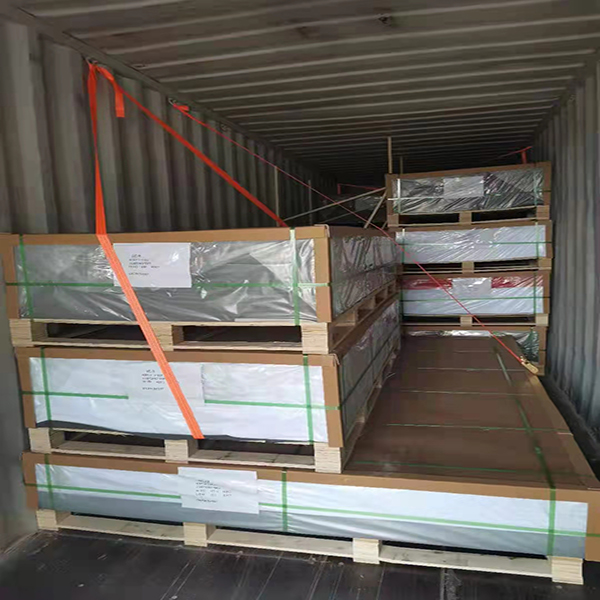
Wallis provides one-stop support for custom PMMA light guide plate projects, including material cutting, laser dot processing, V-cutting, CNC fabrication, edge polishing, cleaning, inspection, protective packaging and shipment preparation.

Export Pallet Package

Container Loading
Why Choose Wallis as Your PMMA LGP Supplier?
Custom Optical Pattern Support
Laser dot density can be adjusted according to panel size, LED location, light-input direction and required illuminated area instead of applying one generic pattern to every project.
Integrated Fabrication Capability
Buyers can combine material supply, optical pattern processing, CNC shaping, drilling, polishing and export packing through one supplier, reducing handoffs between separate processors.
Sample-Friendly MOQ
A one-piece minimum order supports project evaluation, prototype development and optical testing before buyers commit to production quantities.
B2B Project Communication
Wallis works with lighting manufacturers, sign makers, display fabricators, contractors and purchasing teams that require custom dimensions, drawings, repeat production and export delivery.
Send Your Drawing for Review
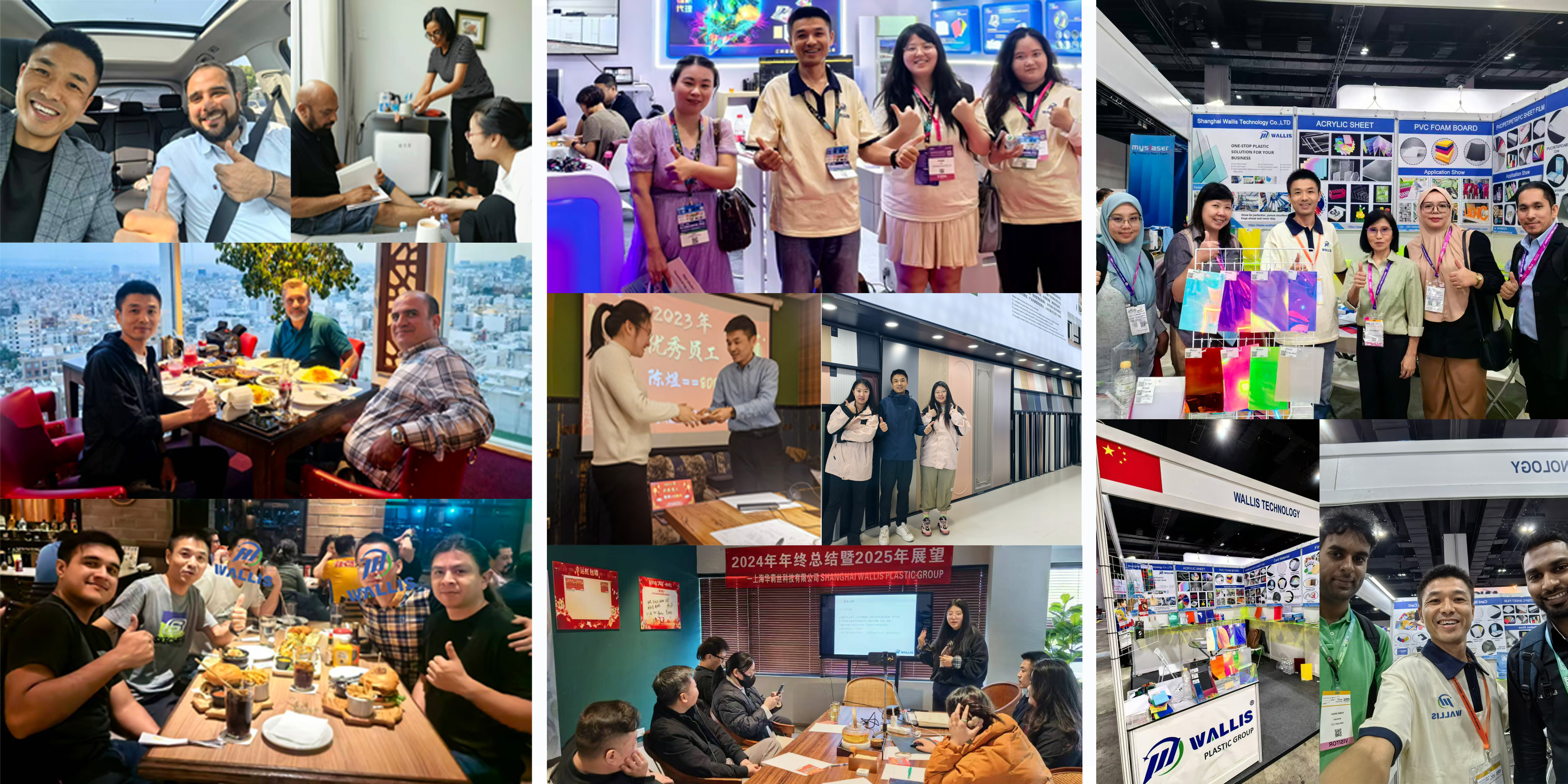
Popular among customers all over the world

Company daily operations
Frequently Asked Questions
What is a PMMA acrylic light guide plate?
A PMMA light guide plate is an optical acrylic panel that receives light from LEDs positioned along one or more edges and distributes that light across a larger illuminated surface through laser dots, engraved lines or other extraction structures.
How does a laser-dot LGP reduce dark spots?
The density and spacing of the laser dots are varied across the panel to extract more or less light at different positions. A correctly designed pattern compensates for the changing distance from the LED source and improves brightness distribution.
What is the difference between an LGP and a diffuser sheet?
The LGP transports and extracts light from edge-mounted LEDs. A diffuser sheet is normally placed in front of the LGP to soften the emitted light, reduce visible dot patterns and improve the final viewing appearance.
Does a PMMA light guide plate need a reflector?
Most single-sided illuminated systems use a rear reflector to redirect downward light toward the viewing surface and reduce optical loss. The final reflector and diffuser configuration should be tested as part of the complete assembly.
What thicknesses are available?
Wallis supplies PMMA light guide plates in thicknesses from 3 mm to 12 mm. The recommended thickness depends on the panel dimensions, LED package, light travel distance, structural design and available installation space.
Can Wallis customize the laser dot density?
Yes. Dot density can be designed according to the finished panel size, PMMA thickness, LED position, LED pitch, number of input edges, emission direction and target illuminated area.
Can the LGP be CNC cut, drilled or polished?
Yes. Wallis can provide CNC cutting, holes, slots, notches, edge polishing and other fabrication according to customer drawings and project requirements.
What is the minimum order quantity?
The minimum order quantity is one piece, making it possible to order a prototype for fit, optical and assembly testing before mass production.
What is the usual production lead time?
Samples are typically prepared in approximately 3–7 working days after payment and technical confirmation. Mass production generally takes approximately 2–5 weeks, depending on order quantity, processing complexity and the confirmed production schedule.
Which files should I send for a custom quotation?
Please send a PDF, DWG or DXF drawing together with the thickness, quantity, LED arrangement, light-input edges, emission direction, reflector and diffuser details, edge treatment and packaging requirements.