Matte Card Lamination Steel Plate for PVC, PETG & PC Card Making
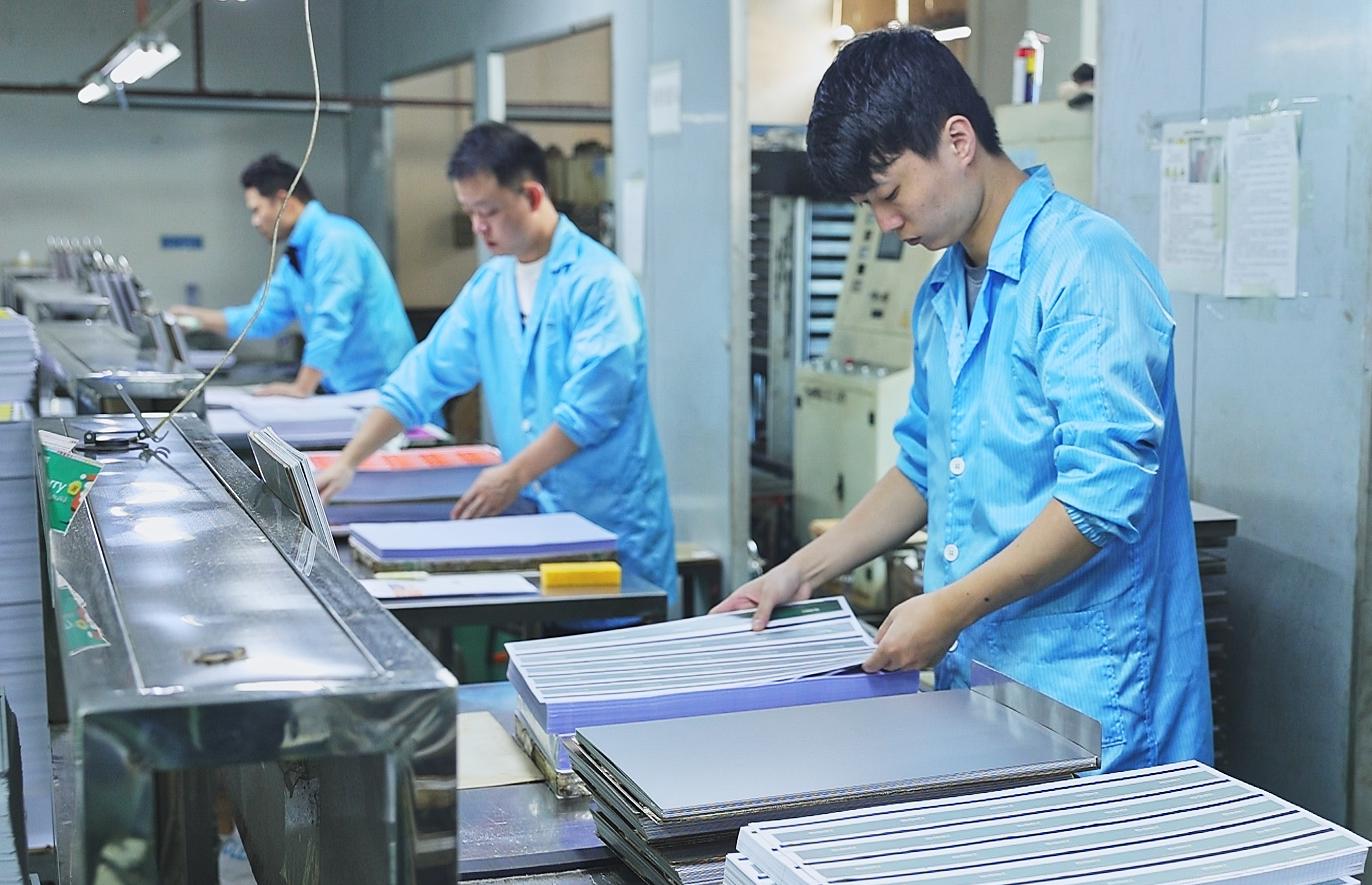
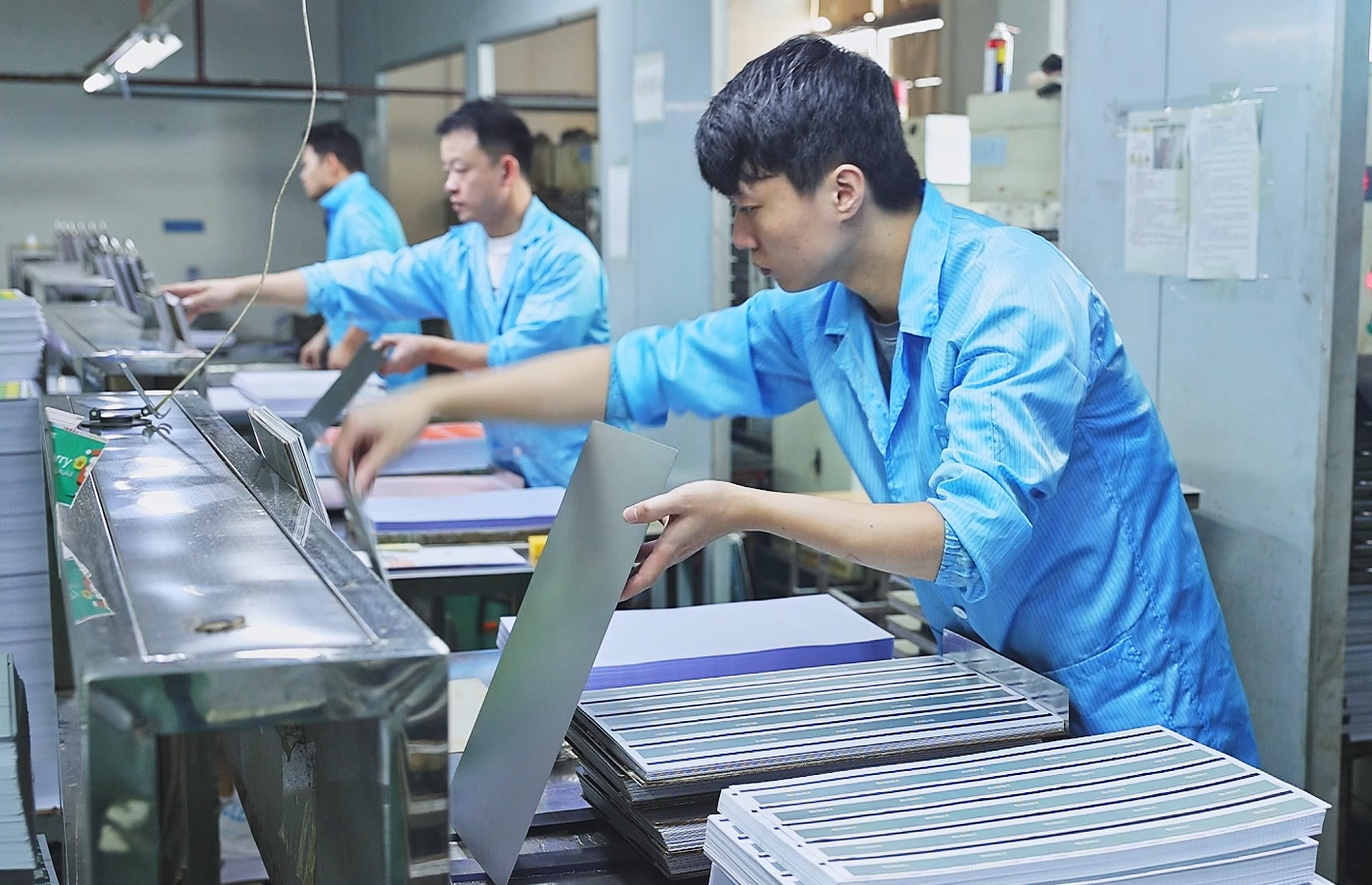
Wallis matte card lamination steel plate is a precision stainless steel press plate developed for professional PVC, PETG, PC, ABS and composite plastic card manufacturing. During hot-press lamination, the plate provides a stable contact surface between the laminator and card stack while transferring the required matte surface character to the outer card layer.
Designed for smart card factories, ID card manufacturers, payment card producers, RFID card factories, card-material converters and lamination-machine users, Wallis matte steel plates are currently available in 0.6 mm, 0.8 mm and 1.0 mm thicknesses with standard and customized dimensions. Matte level, plate size, edge treatment and other production requirements can be reviewed according to the buyer's laminator and card layout.
The quality of a lamination plate affects more than appearance. Plate flatness, surface uniformity, cleanliness, thickness consistency, edge condition and resistance to repeated heat-and-pressure cycles can influence finished-card texture, lamination consistency and production efficiency. For new card structures or laminators, sample testing is recommended before bulk purchasing.
Matte Card Lamination Steel Plate Specifications
| Specification | Available Specification | B2B Confirmation Point |
| Product | Matte Card Lamination Steel Plate | Confirm matte, frosted, silk, patterned or other required finish |
| Material | Stainless steel lamination plate | Confirm steel grade, hardness and surface treatment if these are controlled purchasing parameters |
| Surface Finish | Matte treated | Approve matte level or texture against a physical reference plate and finished-card sample |
| Thickness | 0.6 mm / 0.8 mm / 1.0 mm; customized specifications can be discussed | Match plate rigidity and dimensions to the lamination machine |
| Standard Sizes | 350 × 250 mm / 400 × 300 mm / 500 × 400 mm or customized | Provide the actual laminator working area and required plate dimensions |
| Other Common Formats | A4, A3 and machine-specific customized dimensions can be reviewed | Do not specify only “A3” when the laminator requires a precise plate dimension |
| Listed Temperature Capability | Reference temperature capability: approximately 150–180°C | Confirm the applicable plate specification against actual laminator temperature and cycle conditions |
| Pressure Application | Suitable for hot-press card lamination and multi-stack production | Provide laminator pressure, stack configuration and cushioning system for demanding projects |
| Compatible Card Materials | PVC, PETG, PC, ABS and compatible composite card constructions | Validate the complete card stack and lamination recipe |
| Edge Treatment | Deburred / polished edges | Confirm corner shape, edge radius and handling requirements |
| Service Life | Designed for repeated lamination cycles with proper handling and maintenance | Actual life depends on temperature, pressure, cleaning, scratches, storage and surface requirements |
| Customization | Size, thickness, matte level, pattern, edge design, protective film and packaging | Submit machine and finished-card requirements before quotation |
| MOQ | Typical MOQ: 100 pcs; sample or trial requirements are subject to confirmation | Confirm MOQ for custom sizes, patterns and special specifications |
Important thickness note: Standard lamination plate thicknesses for this product are 0.6, 0.8 and 1.0 mm. Other thickness requirements should be confirmed separately according to the laminator, plate rigidity and application before ordering.
What Is a Matte Card Lamination Steel Plate?
A matte card lamination steel plate is a reusable precision metal plate installed within the hot-press lamination stack used to manufacture plastic cards. Printed core sheets, overlays, RFID inlays or other card layers are positioned between lamination plates, cushion pads and the laminator platens before controlled heat and pressure are applied.
The Plate Controls the Contact Surface
The steel plate provides the contact surface against the outside layer of the laminated sheet. Its surface condition can therefore influence whether the finished card sheet appears mirror glossy, smooth matte, frosted, silk-textured or patterned.
The Laminator Supplies Heat and Pressure
The lamination machine generates the controlled heat and pressure required to bond the card structure. The steel plate acts as a stable interface within that press stack and helps distribute contact across the card sheet. Finished results also depend on the laminator platens, cushion pads, card materials, pressure, temperature, dwell time and cooling process.
Matte Surface Is a Functional Card-Finish Tool
A matte plate is selected when a card manufacturer wants a less reflective finished surface than that produced using a mirror plate. Exact matte character can range from very fine to visibly textured, so a physical plate sample and laminated-card reference are important for specification control.
Matte vs Mirror, Silk and Patterned Lamination Steel Plates
| Plate Finish | Surface Character | Typical Card Requirement |
| Mirror Glossy | Highly polished reflective contact surface | Smooth high-gloss card surfaces |
| Matte | Fine non-mirror surface with reduced reflection | ID, membership, payment, access and specialty cards requiring a controlled matte appearance |
| Silk / Satin | Fine directional or textile-like texture | RFID prelam, specialty card sheets and tactile card surfaces |
| Frosted | More visible diffuse surface texture | Specialty low-glare or textured plastic cards |
| Custom Patterned | Engineered decorative texture or repeated pattern | Branded, decorative or specialty card production |
Different plate categories should not be treated as interchangeable simply because their dimensions are identical. The steel plate surface directly affects the visible texture transferred to the laminated sheet, so card factories should maintain separate approved standards for each required finish.
Why Lamination Steel Plate Quality Matters in Card Production
Consistent Matte Card Surface
Uniform matte treatment helps produce a consistent visual finish across the laminated sheet. Variation in plate texture can become visible after cards are punched from different areas of the same sheet.
Stable Plate Flatness
A flat plate supports consistent contact over the lamination stack. Warped or damaged plates can contribute to uneven pressure distribution, local surface variation and unstable production results.
Repeated Heat-and-Pressure Cycles
Card lamination plates are reused through repeated production cycles. Material selection and correct handling therefore need to support the customer's working temperatures, pressure settings and cooling procedures without unacceptable distortion.
Clean Lamination Contact
Dust, resin, ink residue or scratches on a lamination plate can transfer visible defects onto card sheets. Cleaning and plate-surface inspection are therefore production-quality steps rather than only maintenance procedures.
Deburred Edges for Safer Handling
Smooth edges reduce handling hazards and help prevent sharp burrs from damaging cushion pads, card materials, protective films or production operators.
Compatible Card Materials and Lamination Structures
PVC Card Lamination
Matte lamination steel plates are commonly used with PVC printed cores and overlays for ID cards, access cards, membership cards, loyalty cards, gift cards and other laminated PVC card products.
PETG Card Lamination
PETG card structures can also be laminated using compatible steel plates, but lamination temperature, pressure and cooling conditions may differ from PVC. Buyers should test the complete PETG core-and-overlay system.
Polycarbonate Card Lamination
PC card structures typically use different process conditions from PVC. When steel plates are intended for polycarbonate cards, confirm the plate specification against the laminator's actual temperature, pressure and cooling program.
RFID and NFC Smart Card Inlays
Lamination steel plates can be used within RFID and NFC card production stacks containing prelam inlays, printed sheets, overlays and antenna structures. Cushioning, pressure distribution and total card construction should be selected to avoid damaging embedded components.
ABS and Composite Card Sheets
ABS and composite sheet structures can be evaluated when their lamination process is compatible with the steel plate and press system. A sample card stack should be tested before commercial production.
How Matte Steel Plates Are Used in Card Lamination
1. Prepare the Card Stack
Printed card core sheets, overlays, inlays and other card-body layers are aligned according to the approved lamination structure.
2. Inspect and Clean the Steel Plates
Both contact surfaces should be inspected for particles, scratches, residue, dents and other defects before the lamination stack enters the press.
3. Assemble the Lamination Stack
Card sheets, steel plates and cushion pads are stacked according to the laminator configuration. Cushion materials help compensate for small thickness variations and distribute pressure within the press system.
4. Apply the Approved Lamination Recipe
The laminator applies the programmed heat, pressure and dwell time required by the PVC, PETG, PC or other card construction. Parameters should be established from the card-material specification rather than from the steel plate alone.
5. Cool the Card Stack
Controlled cooling helps stabilize the laminated sheet before it is removed from the plate. Premature unloading can contribute to deformation, sticking or dimensional instability.
6. Inspect the Laminated Sheet
Inspect surface texture, flatness, bubbles, delamination, registration and any transferred defects before the sheet proceeds to punching, milling, chip embedding, personalization or other downstream operations.
Common Lamination Defects and Steel Plate Checks
| Observed Issue | Plate-Related Check | Other Process Factors |
| Surface Marks | Inspect plate for scratches, dents or contamination | Sheet cleanliness and particles inside the stack |
| Uneven Matte Appearance | Check texture uniformity and plate wear | Pressure uniformity, cushion pad and card thickness |
| Sheet Warpage | Check plate flatness | Heating balance, cooling process and material shrinkage |
| Bubbles or Delamination | Verify clean contact and stack pressure | Overlay coating, inks, moisture, temperature, pressure and dwell time |
| Card Sheet Sticking | Inspect plate cleanliness and surface condition | Material formulation, temperature and cooling cycle |
| Edge Damage | Inspect burrs, sharp corners and plate edges | Stack alignment and handling |
How to Choose the Right Card Lamination Steel Plate
1. Define the Required Card Surface
Specify whether the final card should be mirror glossy, fine matte, frosted, silk-textured or custom patterned. A physical card sample is the best reference when matching an existing production standard.
2. Provide the Exact Plate Dimensions
Measure the existing lamination plate or provide the lamination-machine model and working area. Dimensions such as A3 and A4 are useful starting points, but machine-specific measurements are more reliable for production purchasing.
3. Select Plate Thickness
Available standard thicknesses are 0.6 mm, 0.8 mm and 1.0 mm. Select thickness according to the existing lamination system and approved production setup rather than changing plate thickness without process validation.
4. Identify the Card Material
Tell Wallis whether the card structure uses PVC, PETG, PC, ABS, RFID prelam or a multi-material composite because process conditions can differ.
5. Provide the Lamination Conditions
Temperature range, pressure, hot-press time, cooling cycle, stack count and cushion-pad system help technical teams understand the production environment.
6. Confirm Edge and Corner Requirements
Plate edges should be smooth and free from damaging burrs. If a laminator uses a specific corner radius, locating hole or special edge configuration, provide a drawing or reference sample.
7. Approve a Sample Plate
Use the sample in the actual laminator and evaluate finished-card texture, release behavior, flatness and surface appearance before approving bulk production.
Quality Control for Matte Lamination Steel Plates
Precision card lamination requires steel plates with controlled dimensions and consistent contact surfaces. Depending on the approved order specification, quality inspection can include plate thickness, width and length, flatness, surface texture, visible scratches, dents, edge condition, corner shape, cleanliness, protective film and packaging condition.
Surface Texture Inspection
Matte or patterned surfaces should be compared against the approved production standard. Significant texture differences can become visible on finished cards even when plate dimensions are correct.
Flatness Inspection
Plate flatness should be controlled because permanent bending or distortion can affect contact within the lamination stack. Buyers with a specific flatness tolerance should include it in the purchase drawing.
Thickness and Dimensional Inspection
Plate thickness and overall dimensions should match the approved production specification, especially when multiple plates are used simultaneously in multi-stack laminators.
Edge and Surface Protection
Finished plates should be protected against scratching and edge damage during storage and international transportation. Packaging requirements should be increased for mirror, fine-matte and precision-pattern surfaces.
Cleaning and Maintenance of Card Lamination Plates
Clean Before Contamination Builds Up
Remove dust, resin or process contamination before it becomes baked onto the plate through repeated heat cycles. Cleaning procedures should be compatible with the stainless steel surface and matte treatment.
Avoid Abrasive Cleaning
Abrasive pads or aggressive polishing can change a controlled matte or patterned surface. A damaged texture can later transfer onto every laminated sheet produced with that plate.
Store Plates Flat
Store clean plates on a suitable flat support and prevent heavy objects or uneven loading from permanently bending them. Separate contact surfaces where necessary to reduce rubbing.
Replace Damaged Plates Before Defects Repeat
Once a scratch, dent or permanent texture defect begins appearing repeatedly on laminated card sheets, the plate should be repaired where technically possible or removed from production.
Applications in Professional Card Manufacturing
Bank and Payment Cards
Matte or specialty lamination plates can be used in payment-card body production where the approved card construction and surface specification require the corresponding finish.
Government and ID Cards
National ID, employee ID, healthcare ID and other secure identity-card production lines can use controlled lamination plates as part of the card-body manufacturing process.
RFID and NFC Smart Cards
RFID access cards, transit cards, campus cards, hotel cards and other contactless smart cards require stable lamination of inlays, core sheets and outer layers before punching and personalization.
Membership, Loyalty and Gift Cards
Commercial card manufacturers can select matte or patterned finishes to differentiate loyalty, membership, retail and promotional card programs.
RFID Inlay and Prelam Sheet Production
Silk, matte or other textured plates can also be used when producing RFID prelam sheets or card-body layers that require a controlled surface after lamination.
Custom Sizes and OEM Card Lamination Plate Supply
Wallis supports customized lamination steel plates according to card-factory equipment and finished-surface requirements. Instead of selecting only by generic A3 or A4 terminology, B2B buyers are encouraged to provide an existing plate, dimensional drawing or lamination-machine specification.
Custom Dimensions
Length and width can be reviewed according to laminator platen dimensions, card-sheet layouts and stack design.
Custom Thickness
Standard options include 0.6, 0.8 and 1.0 mm. Other thickness requirements should be submitted for technical confirmation rather than assuming unrestricted availability.
Custom Matte or Pattern Finish
Different matte, silk, frosted and customized-pattern concepts can be evaluated according to tooling, sample references, order volume and required finished-card appearance.
Protective Film and Export Packaging
Surface-protection and packaging requirements can be customized to reduce scratching, moisture exposure, edge damage and movement during international shipment.
Why Choose Wallis for Card Lamination Steel Plates?
Card-Material Manufacturing Focus
Wallis supplies card core sheets, overlays, RFID inlays, lamination plates, cushion pads and related materials, allowing card factories to coordinate multiple materials used within the same manufacturing process.
Matte, Mirror and Patterned Plate Options
Buyers can source different contact surfaces for different finished-card requirements instead of using one plate finish for every product.
Custom Machine-Specific Dimensions
Customized dimensions allow the plate specification to be matched to the customer's laminator and card-sheet format.
Sample Testing
Sample plates can be supplied for testing. Sampling is especially valuable when matching an existing matte texture or introducing a new plate into a production line.
B2B and Repeat-Order Supply
Production specifications can be managed for card factories, converters, smart-card manufacturers, distributors and other buyers requiring repeatable steel-plate dimensions and surface finishes.
Wallis Card Material Team & Global Projects
Wallis works with international card-material buyers, card factories and distribution partners supplying materials for different printing, lamination and smart-card production projects.

Customer Feedback
Customer feedback can provide additional context about purchasing and service experience. For technical qualification, however, lamination plates should still be approved through dimensional inspection and testing on the buyer's actual card-production line.

FAQ About Matte Card Lamination Steel Plates
What is a matte card lamination steel plate used for?
It is used inside a hot-press card laminator to provide a stable contact surface for PVC, PETG, PC, RFID and other compatible card structures while helping create the specified matte appearance on the outer laminated sheet.
What is the difference between matte and mirror lamination plates?
Mirror plates use a highly polished surface to produce a smooth glossy card appearance. Matte plates use a less reflective treated surface to create a softer, lower-gloss finish.
What thicknesses does Wallis currently offer?
Standard thicknesses are 0.6 mm, 0.8 mm and 1.0 mm. Other thicknesses should be confirmed according to manufacturing feasibility and the buyer's lamination equipment.
Are 5–10 mm lamination plates available?
Standard card lamination plates in this product range are approximately 0.5–1.0 mm thick, with 0.6, 0.8 and 1.0 mm as the standard options listed here. A 5–10 mm requirement would be a separate heavy-plate specification and should be confirmed before ordering.
Can the steel plate size be customized?
Yes. Wallis supports customized dimensions according to card-lamination machine requirements. Provide the exact plate length, width and thickness or an existing plate drawing.
Do you supply A3 and A4 card lamination plates?
A3, A4 and customized formats can be reviewed. Exact dimensions should still be confirmed because different laminators may use different plate dimensions despite being described as A3 or A4 machines.
Can matte steel plates be used for PVC cards?
Yes. PVC card lamination is one of the primary applications. The complete PVC core, overlay, printing and lamination process should be tested using the intended temperature, pressure and cooling cycle.
Can the same plate be used for PETG cards?
Compatible steel plates can be used with PETG card structures, but PETG processing conditions may differ from PVC. Confirm the complete lamination recipe before mass production.
Can the plate be used for polycarbonate cards?
PC is one of the compatible card materials for this product. Because polycarbonate card production can involve demanding heat-and-pressure conditions, the selected steel plate specification should be validated against the actual PC lamination program.
Can these plates be used for RFID and NFC inlays?
Yes, suitable lamination plates can be used in RFID prelam and smart-card production. Stack pressure, cushion pads and inlay construction should be selected to protect antennas and embedded components.
Can Wallis produce silk or patterned lamination plates?
Mirror glossy, matte and customized patterned plate options are available. Silk, frosted or other texture requirements should be submitted with a reference sample for feasibility confirmation.
Does the steel plate eliminate bubbles and delamination?
No single steel plate can guarantee this. A flat, clean plate supports consistent lamination, but bubbles and delamination can also result from overlay coating, ink compatibility, moisture, temperature, pressure, dwell time and cooling conditions.
Does the plate determine the finished card thickness?
Finished-card thickness is primarily determined by the total card material structure and lamination process. Plate thickness is a machine and press-stack parameter rather than the main determinant of finished card gauge.
How long does a matte lamination steel plate last?
Service life varies according to operating conditions, surface requirements, cleaning, storage and handling. The plates are designed for repeated production cycles with proper handling and maintenance. A fixed cycle-life guarantee should only be stated when supported by the applicable product specification.
How should matte steel plates be cleaned?
Use a cleaning method compatible with the stainless steel and matte surface. Avoid abrasive polishing that could permanently alter the controlled texture. Remove contamination before the plate returns to production.
What causes repeated marks on laminated card sheets?
If the same mark repeatedly appears in the same position, inspect the steel plate for scratches, dents, contamination or embedded particles. Also inspect overlays, card sheets, cushion pads and laminator contact surfaces.
Do you provide sample plates?
Yes. Sample plates can be offered for testing, with shipping costs subject to the agreed arrangement.
What is the MOQ?
The typical MOQ is 100 pieces. Trial requirements may be discussed for new customers, and MOQ should be reconfirmed for special patterns or custom dimensions.
What is the production lead time?
Typical production lead time is approximately 7–15 days depending on order volume and customization. Final timing should be confirmed after plate size, surface, thickness and quantity are approved.
What information should I send for a quotation?
Provide required plate length and width, thickness, matte or texture reference, laminator model, card material, operating temperature, quantity, edge requirements, protective-film requirement and delivery destination.
Request Matte Card Lamination Steel Plate Samples & Factory Pricing
Looking for a reliable matte card lamination steel plate manufacturer for PVC, PETG, PC or RFID smart-card production? Send Wallis your plate dimensions, thickness, surface requirement, laminator model, card material and order quantity for technical review, sample evaluation and factory pricing.